
What to Do in Milan in One Day: A Practical Itinerary
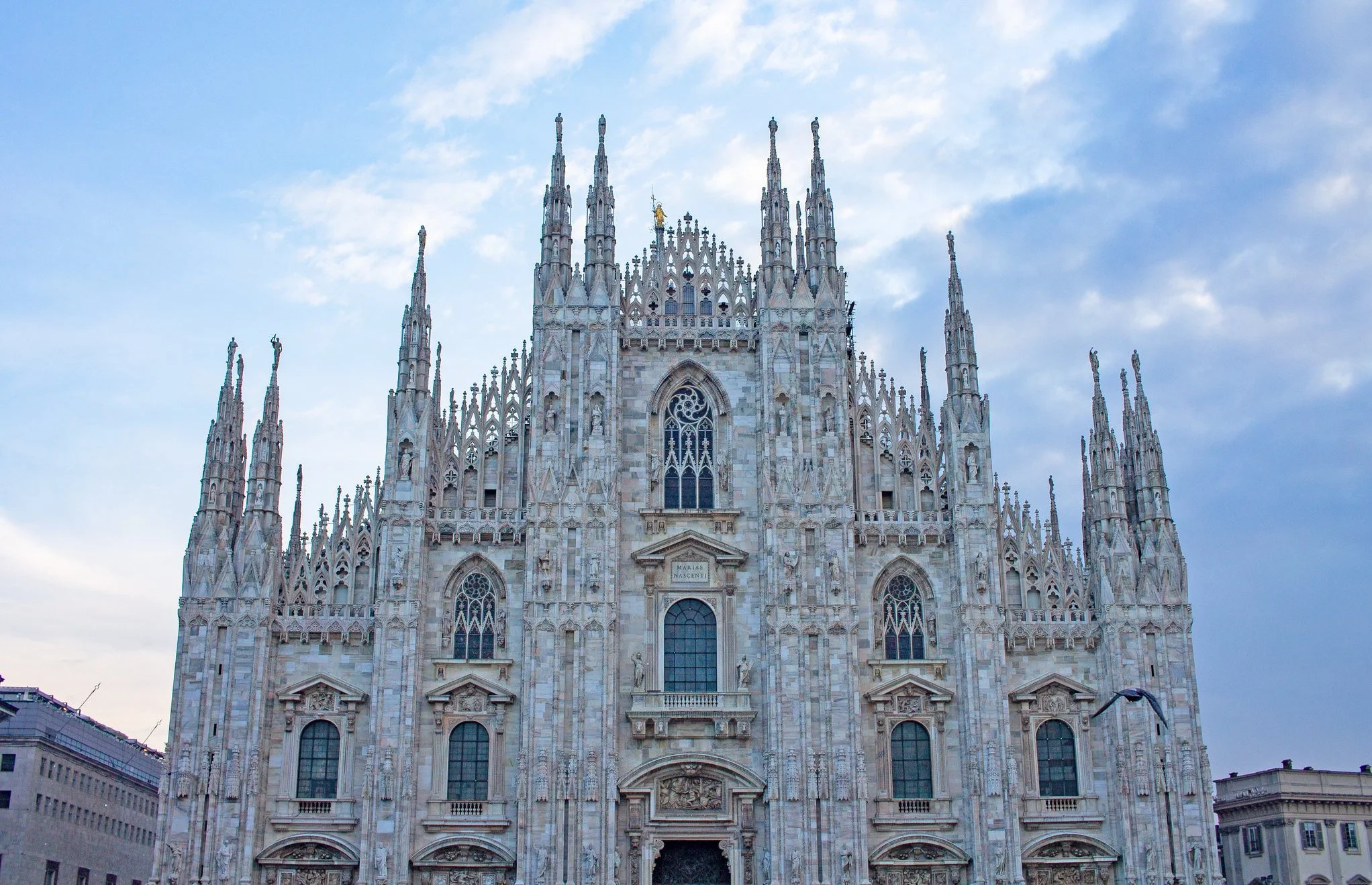
Photo by Martina Sgorlon
Milan rewards a one-day visit better than its reputation suggests. The problem people run into isn't the walking — the historic centre is tight, and the Duomo, Galleria Vittorio Emanuele II, Teatro alla Scala and Castello Sforzesco sit within a 20-minute walk of each other. The problem is that one of Milan's most-searched-for sights, Leonardo's Last Supper, works on a booking system that can quietly wreck a one-day plan if you don't know about it until the morning you arrive.
This guide lays out what actually fits into a single day in Milan, in what order, and flags the one booking decision that needs to happen weeks, not hours, before you land.
In this guide:
What Fits Into One Day in Milan
The Sights, in Walking Order
A Realistic One-Day Route
A Different Way to Walk the Centre
What to Save for a Second Day
Getting Around Milan
Frequently Asked Questions
What Fits Into One Day in Milan
The historic centre is compact enough that seeing it on foot in a day is genuinely realistic: Piazza del Duomo, the Galleria, La Scala and Castello Sforzesco form a loop that takes well under an hour to walk end to end, even with stops. That's the easy part.
The hard constraint is Leonardo da Vinci's Last Supper, housed in the refectory next to the Church of Santa Maria delle Grazie. Admission is by timed reservation only, for everyone, with no exceptions — tickets are released roughly three months ahead and commonly sell out within days for weekends and summer dates. If you haven't booked ahead, the honest answer is that you won't see it that day, whatever else your itinerary allows for. This is worth stating plainly because a lot of "Milan in a day" lists slot the Last Supper in as if it's a walk-up stop like the Duomo — it isn't, and planning around that fact matters more than any walking-distance calculation in this guide.
Once the Last Supper booking (or the decision to skip it) is settled, the rest of a one-day Milan visit is a matter of sequencing rather than distance.
The Sights, in Walking Order
Piazza del Duomo and the Cathedral Rooftop
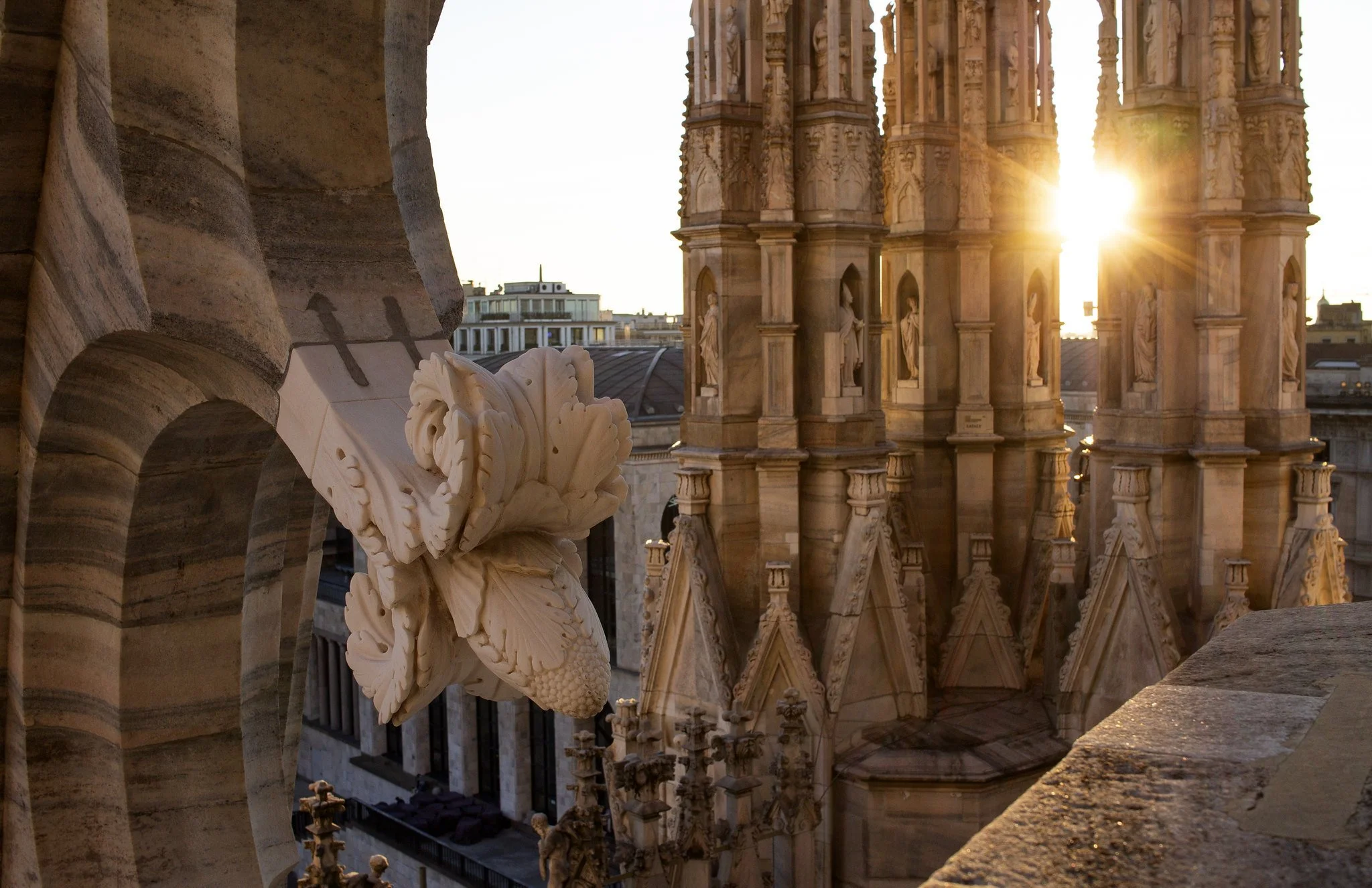
Photo by Martina Sgorlon
The Duomo is Milan's obvious starting point, both geographically — it sits at the centre of the metro network, with the M1 and M3 lines converging directly beneath the square — and logically, since almost every other sight radiates out from here. Entry to the cathedral costs around €5, and the building itself takes 30 to 45 minutes to see properly. The real time investment is the rooftop terraces, open daily from 9:00 to 19:00 with last entry at 18:10: climbing among the cathedral's spires costs €10 on foot or €26 by lift with fast-track access, and it's worth the extra ticket price for the close-up view of the marble statues that most visitors below never notice. Budget 90 minutes to two hours for the Duomo and rooftop together, and note that Saturday, Sunday and holiday entry runs on reservation only rather than walk-up.
Galleria Vittorio Emanuele II: The Shortest Walk Between Two Landmarks
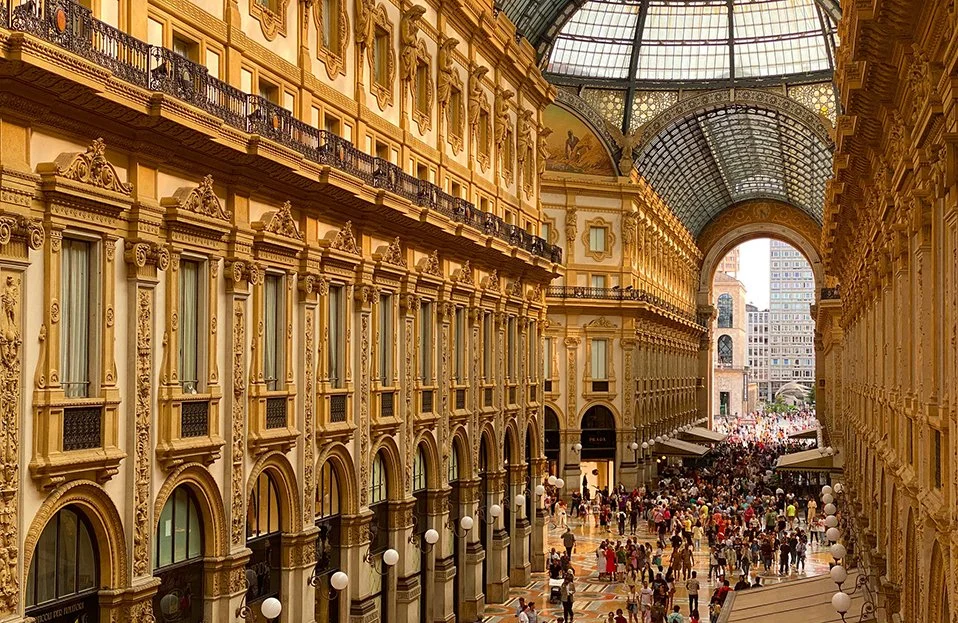
Exit the Duomo on the north side and you're immediately inside the Galleria, the glass-domed 19th-century shopping arcade that connects Piazza del Duomo to Piazza della Scala in about five minutes on foot. There's no ticket and no schedule — it's a public passage lined with historic cafés and luxury boutiques, and it functions less as a standalone stop than as the connecting corridor to the next one.
Teatro alla Scala and Piazza della Scala
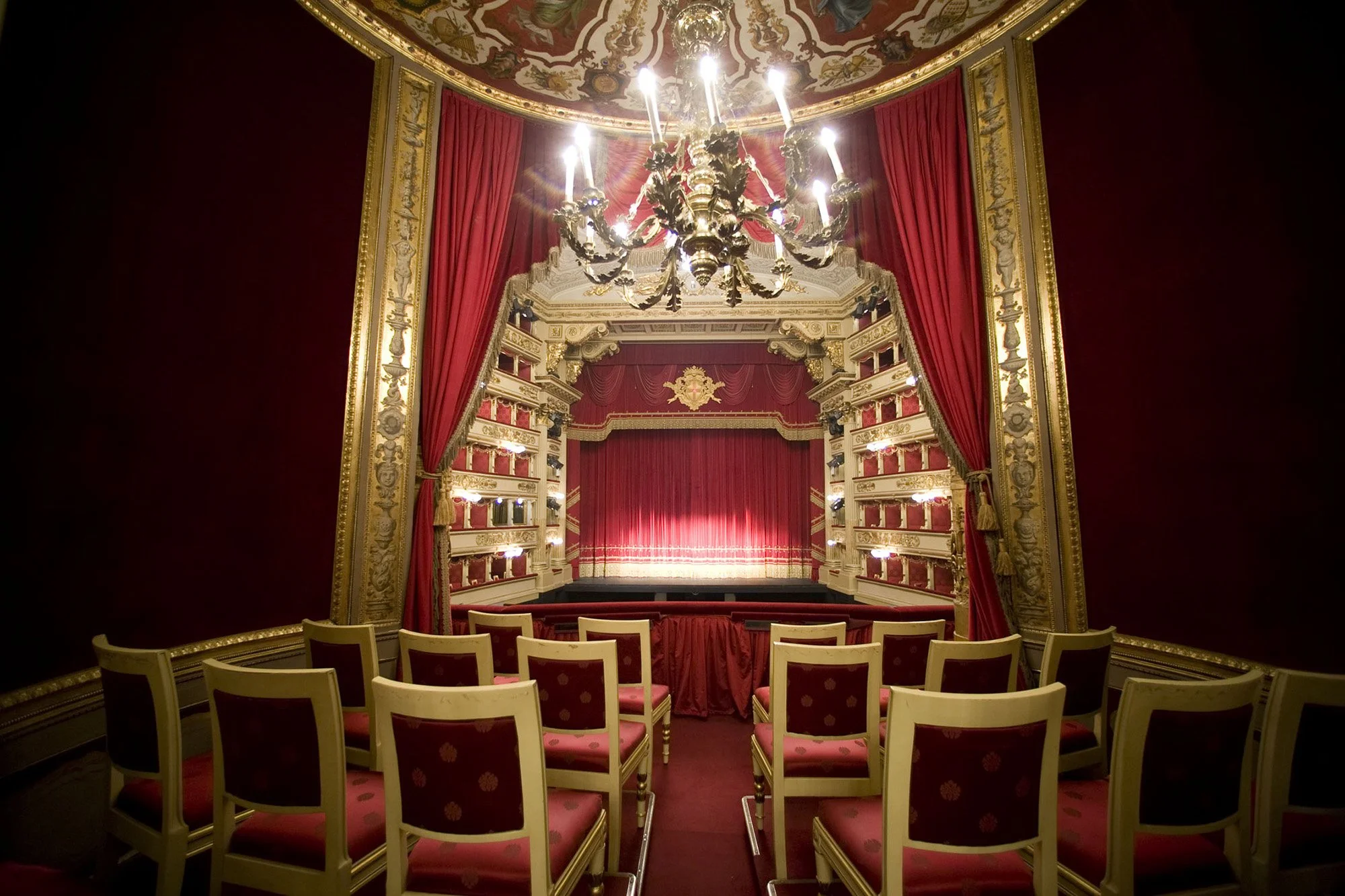
Photo by museoscala.org
At the Galleria's far end sits La Scala, one of the world's most famous opera houses. Unless you're attending a performance or touring the adjoining museum, this is a five-minute photo stop rather than a destination in its own right — the square outside, with its statue of Leonardo da Vinci, is worth the brief detour more than a rushed museum visit squeezed between other stops.
Castello Sforzesco and Parco Sempione
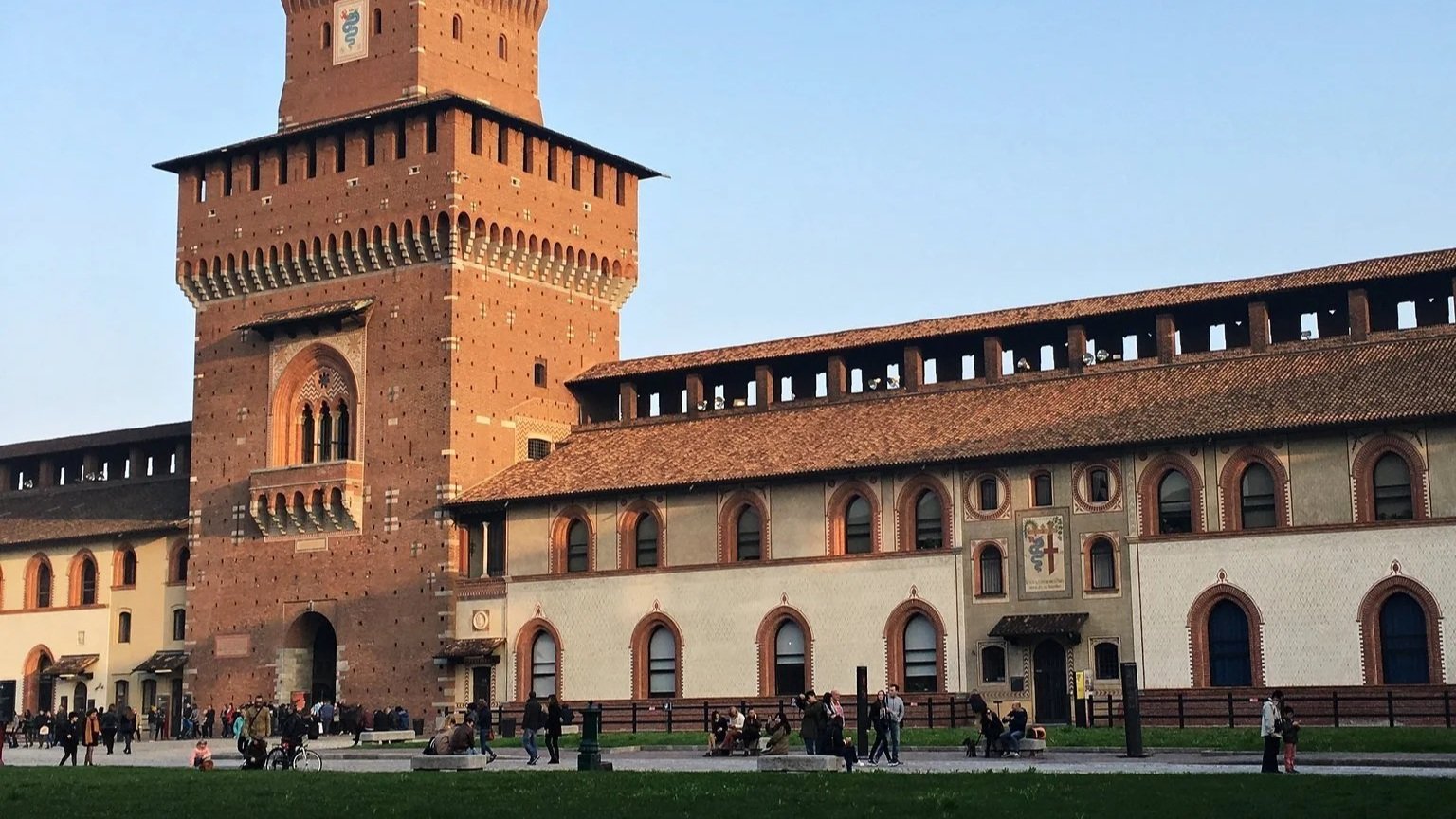
From Piazza della Scala it's roughly a 15-minute walk west along Via Dante — itself a pedestrian shopping street worth the stroll — to Castello Sforzesco, the Renaissance fortress anchoring the western edge of the centre. The courtyards are free and open daily from 7:00 to 19:30, and walking through them costs nothing even on a tight schedule. The nine civic museums inside, including the room holding Michelangelo's unfinished Rondanini Pietà, run Tuesday to Sunday, 10:00 to 17:30, for a single €5 ticket — closed Mondays. Beyond the castle's north gate, Parco Sempione opens up as Milan's largest central green space, useful for a break if the day has been mostly stone and pavement so far.
The Last Supper: The One Booking That Can Break Your Whole Day
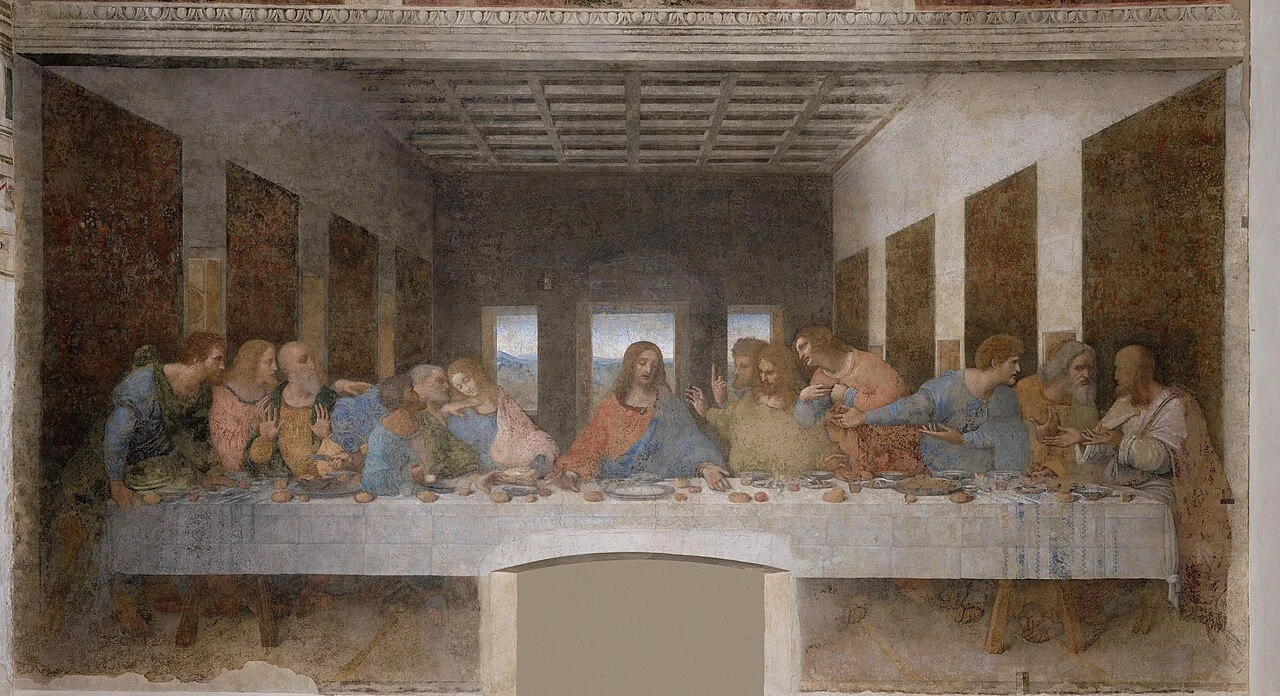
Santa Maria delle Grazie sits about a 15-minute walk southwest of the castle, near the Cadorna metro hub. If you've secured a reservation, arrive 30 minutes early — late arrivals forfeit the slot entirely, no exceptions — and expect exactly 15 minutes in the refectory with the painting once you're admitted, since visitor numbers and viewing time are both capped to protect the artwork. The museum runs Tuesday to Sunday, 8:15 to 19:00, last entry 18:45, closed Mondays. There is no version of this visit that works without the advance booking, which is why it belongs at the planning stage of a Milan day, not the itinerary stage.
A Realistic One-Day Route
Sequencing matters here more than in most Italian cities, because the Last Supper's fixed time slot — not the Duomo, for once — is what the rest of the day gets built around.
If your Last Supper slot is in the morning: start there, walk back through Castello Sforzesco and Parco Sempione, continue down Via Dante to La Scala and the Galleria, and finish at the Duomo and its rooftop in the afternoon, when the light on the marble is better for photos in any case.
If your slot is in the afternoon or you're skipping the Last Supper entirely: begin at the Duomo at opening to beat the queues, walk the Galleria to La Scala, then continue to Castello Sforzesco, saving the Last Supper (or a longer stop in Parco Sempione) for whatever time remains.
Either version covers the centre's core sights in a loop of roughly 3 to 4 km, entirely on foot, with no need for the metro unless energy or weather makes the walk back to your starting point unappealing.
A Different Way to Walk the Centre: ClueGo Riddle Tour
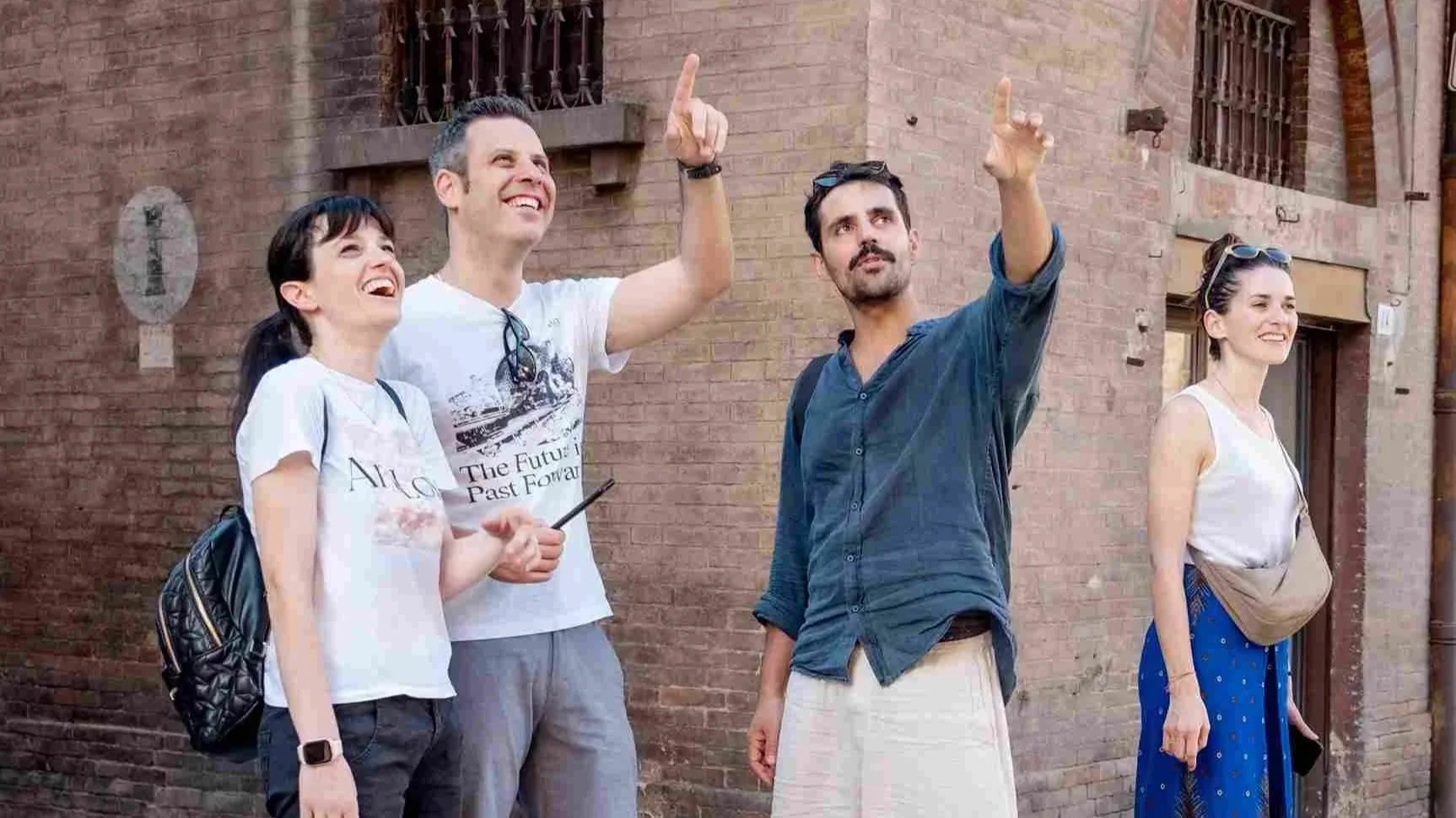
Building a Milan day around one fixed booking and several loosely-timed stops usually means switching between a map, an opening-hours page and whatever article you used to plan the route, checking each one every time you reach a new corner.
ClueGo Milan is a self-guided route that removes that step: the stops are already chosen and sequenced, so instead of deciding where to go next, you're following a route on your phone that tells you, with a puzzle to solve at each stop along the way. The Milan trail covers about 4 km over ten stops, starting at Piazza Duomo and finishing at Piazza dei Mercanti, passing through the same central loop this guide has already walked — the cathedral, the Galleria, and the historic core around it — connected into one continuous route instead of several separate decisions.
It runs as a web app with no download and no fixed start time: buy a code, open the link on your phone, and begin whenever suits your day. A group of one to five people takes 2.5 to 3.5 hours to finish without stopping, though the code stays valid for six months, so pausing partway through and picking it up later is built into how it works.
Along the way it points out details a straightforward walk past the same buildings would miss — among them, some of the Duomo's stranger statues and the story behind the giant sculpted hand outside Milan's stock exchange, a piece most visitors photograph without knowing what it's pointing at.
The route is entirely outdoors and doesn't include admission to any museum or monument; the Duomo rooftop and the Last Supper still each need their own separate ticket.
If you'd rather have the centre's route already mapped out than build it stop by stop, ClueGo's Milan trail is worth a look before you go.
What to Save for a Second Day
Navigli, Milan's canal district, is the most common second-day addition, and for a specific reason: it's a genuine 25-to-30-minute walk from the Duomo, or 15 to 20 minutes by metro, which puts it outside a tight one-day loop without cutting something else. It comes alive in the early evening for aperitivo along the canal, which suits it better as a separate outing than a rushed afternoon add-on.
Brera, the gallery and boutique district just north of La Scala, is close enough geographically to fit into a one-day plan, but its appeal — wandering without an agenda through narrow streets and small galleries — works against the pace a single day already demands elsewhere. It's a better fit for a slower second day than a box to tick on the first.
The Quadrilatero della Moda, Milan's fashion quarter around Via Montenapoleone, sits a short walk from La Scala and requires no real detour — it's less a matter of finding the time and more of deciding whether window-shopping the world's most expensive shopping street is how you want to spend part of a second day.
Getting Around Milan
The historic centre covered in this guide is walkable in full, and the flat terrain makes it easier going than Florence or Rome's hillier cores. The metro (M1 red line and M3 yellow line) converges directly under the Duomo, which makes it the fastest way to reach anything outside the central loop — Navigli, the fashion district's outer edges, or back to Milano Centrale station. A single metro ticket covers 90 minutes and works on trams and buses too, useful if the day's walking catches up with you before the last stop.
Frequently Asked Questions
-
A realistic one-day loop covers the Duomo and its rooftop terraces, the Galleria Vittorio Emanuele II, Teatro alla Scala, and Castello Sforzesco, all within a walk of roughly 3 to 4 km. Leonardo's Last Supper can be added if, and only if, you've booked a timed slot in advance.
-
For the historic centre's core sights, yes. What one day doesn't comfortably allow is the Last Supper without advance booking, or a proper visit to Navigli, which sits far enough from the centre to need a dedicated trip rather than a quick add-on.
-
It's recommended on weekdays and required on Saturdays, Sundays and public holidays, when the rooftop and cathedral both switch to reservation-only entry.
-
As far ahead as your travel dates allow — ideally two to three months. Tickets are released roughly three months out and regularly sell out within days for weekends and the summer season.
-
Yes. The historic centre is flat and compact, and its main sights sit within about a 20-minute walk of each other. Areas like Navigli and the outer fashion district are better reached by metro if time is limited.