
Bologna has a reputation problem. Mention the city and people picture towers you have to buy a ticket to climb, museums with entrance fees, and a food scene that empties wallets fast. What that reputation misses is that most of what actually makes Bologna Bologna — the porticoes, the basilicas, the piazzas, the canals hiding behind unmarked doors — costs nothing at all.
This isn't a "cheap Italy hack" list. It's a straightforward answer to a straightforward question: if you don't want to spend anything, what should you actually go see, and what's the honest deal with the things people say are free but aren't quite?
We've walked this through in order, roughly following how the streets connect, so you can use it as a loose route rather than a scattered checklist. A couple of items only work under specific conditions — we've flagged those clearly, because nothing kills trust in a guide faster than showing up somewhere "free" and being handed a bill.
Before You Start: One Thing Worth Knowing
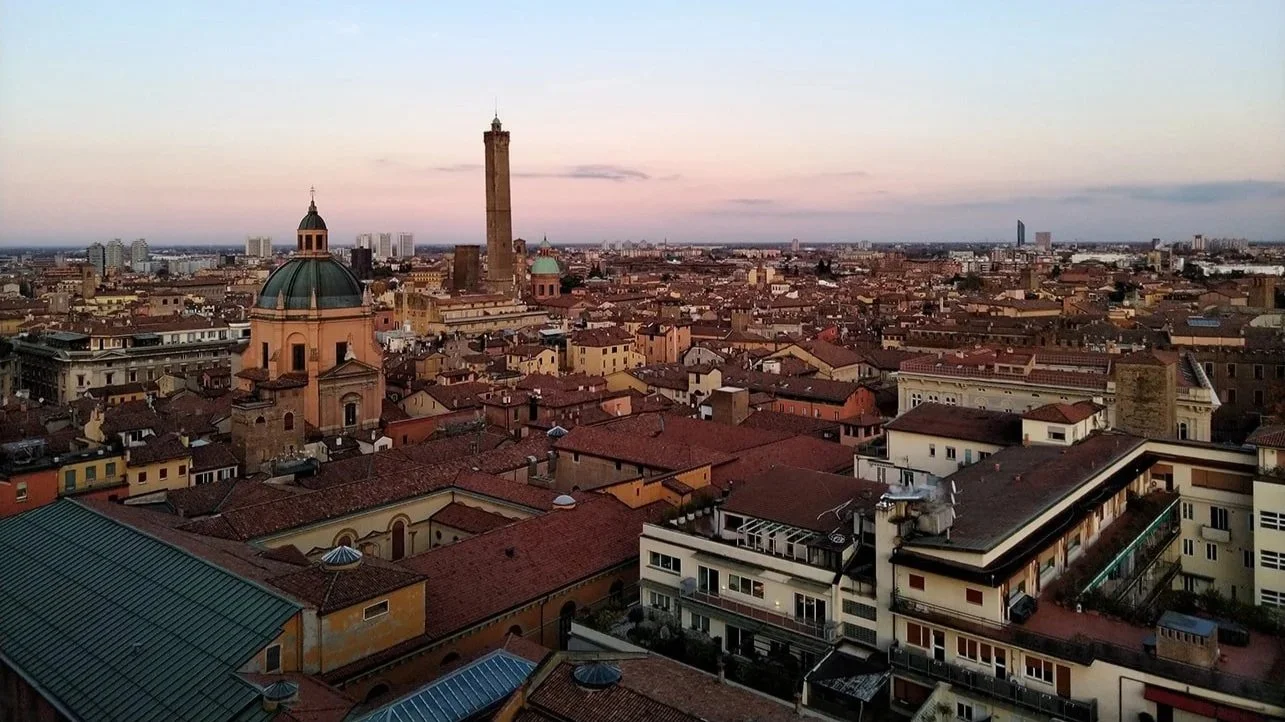
If you've seen photos of Bologna's Two Towers, know this before you plan around them: Piazza di Porta Ravegnana, where they stand, has been partly fenced off since October 2023 for safety work on the leaning Garisenda tower, and the taller Asinelli tower has been closed to climbers ever since. There's no confirmed reopening date — estimates floating around point to 2028, but that's unofficial. You can still see both towers from a distance along Via Rizzoli and Strada Maggiore, but don't plan your day around climbing one. More on the alternatives below.
Free Basilicas and Churches Worth the Detour
San Petronio: The Church Too Big to Finish
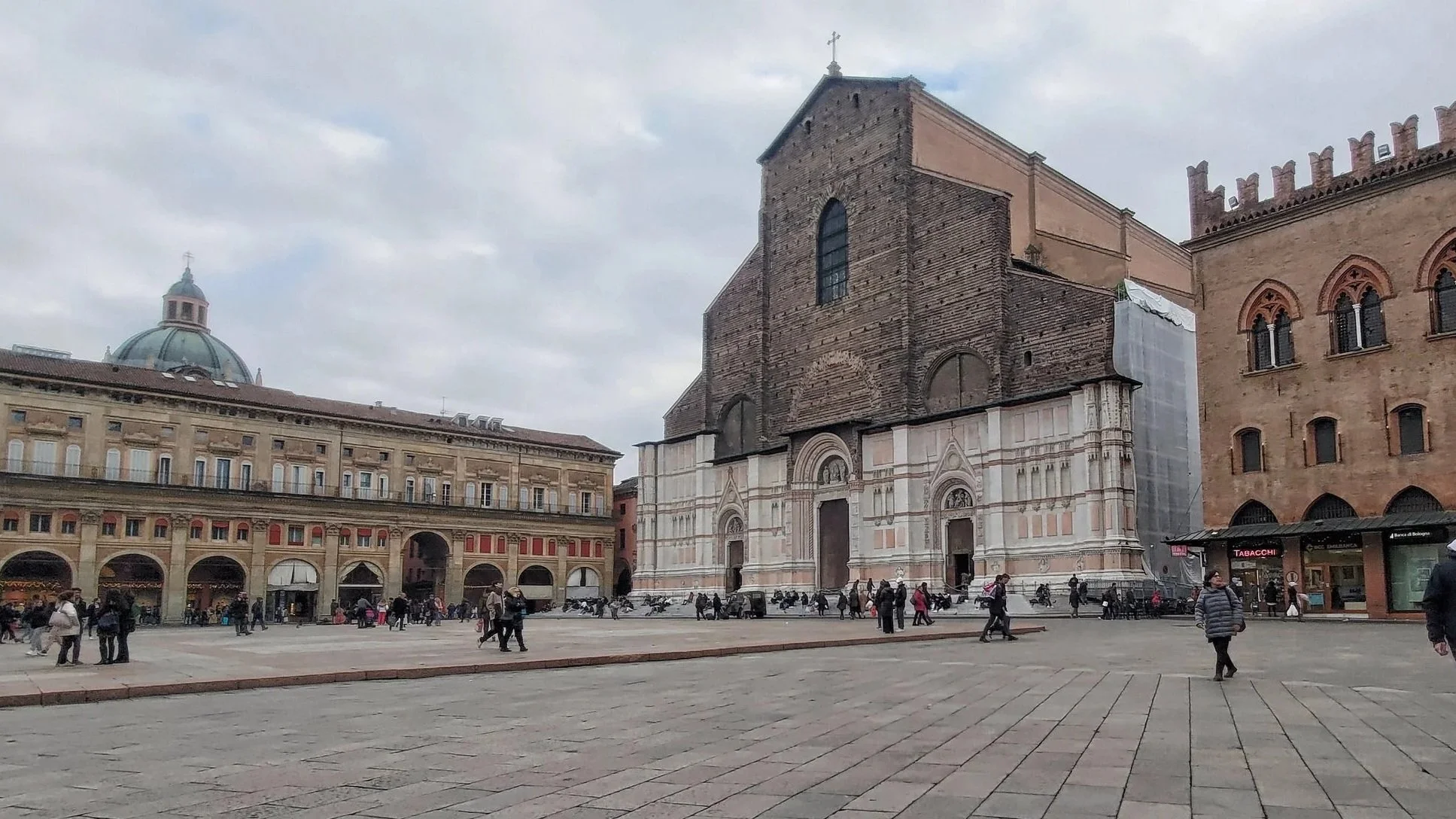
Piazza Maggiore's centrepiece is also its most generous. Walking into the Basilica of San Petronio costs nothing — it's open daily from 10:00 to 18:00 (last entry 17:50), no reservation needed for individual visitors. What you're looking at is one of the largest church interiors in Europe, with a facade that was never finished and a floor marked by the world's longest indoor sundial line, laid out by astronomer Cassini in the 17th century.
The free part covers the whole nave and the basilica's own small museum, open the same hours. What isn't free: the three side chapels (Re Magi, San Sebastiano, San Vincenzo Ferrer), which run €5 full price / €3 reduced, and the rooftop terrace, also ticketed. Skip both and you've still seen the building that matters.
Santo Stefano: Seven Churches, One Free Entrance
A few minutes' walk away, Piazza Santo Stefano holds a complex locals call le Sette Chiese — the Seven Churches — a knot of religious buildings from different centuries fused into one site: a crypt, a cloister, a courtyard called Pilate's Courtyard, and a basin locals insist (wrongly, but charmingly) is the one Pontius Pilate washed his hands in.
Entry is free, with a donation box for upkeep rather than a ticket counter. Tourist visits run Tuesday to Saturday, 9:30–12:30 and 14:30–19:00, Sunday and holidays 9:30–12:30 and 15:00–19:00. Monday is the exception — the complex only opens in the evening (18:00–19:30) for Mass, so don't plan a Monday visit here. Allow 30–45 minutes; there's no signage explaining what you're walking through, so it helps to have read up beforehand.
San Domenico: The Tomb Michelangelo Worked On
Less photographed than San Petronio but arguably more startling once you're inside: the Basilica di San Domenico holds the Arca di San Domenico, a marble shrine sculpted by Nicola Pisano's workshop with later contributions from Niccolò dell'Arca and — as a young, still largely unknown sculptor — Michelangelo. Entrance is free, generally open daily from around 7:00–8:30 to 12:00–13:00 and again from 15:30 to 19:00–20:00, with shorter Sunday hours. Hours shift around services, so treat the exact times loosely.
San Luca: The World's Longest Porticoed Walk
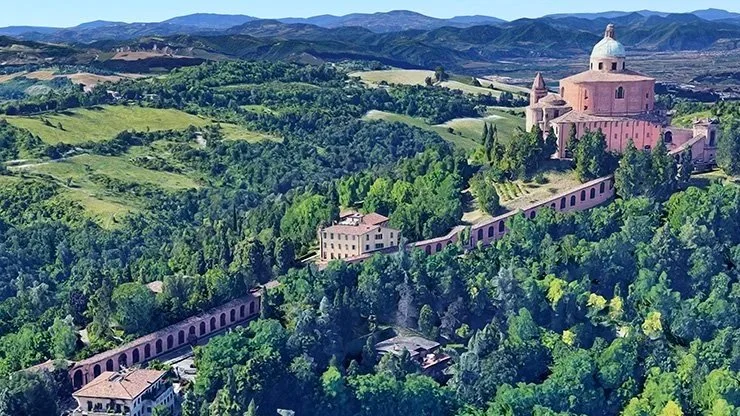
If you only do one "free" thing that takes real effort, make it this one. The Portico di San Luca runs roughly 3.8 km from Porta Saragozza, uphill, under 666 continuous arches, to the Sanctuary of the Madonna di San Luca on the hill overlooking the city. It's the longest portico in the world, and along with the rest of Bologna's porticoes, it was named a UNESCO World Heritage Site in 2021.
Both the portico and the sanctuary are free, at any hour for the portico itself — it's technically a covered public street. The sanctuary and its dome, which you can also go up for free, are open roughly 10:30–18:30 on weekdays and from midday on Sundays (check before a Sunday morning visit). Budget 45 minutes to an hour each way at a normal walking pace, longer if you stop. Bring water — there are no fountains along most of the route — and comfortable shoes; the uphill stretch after the Meloncello arch is real. In the current absence of an open Asinelli tower, the dome up here has become one of the best free views over Bologna's rooftops.
Bologna's Free (and Almost-Free) Museums
Italy's state museums open free to everyone on the first Sunday of every month, as part of the Ministry of Culture's "Domenica al Museo" initiative — and Bologna's flagship gallery takes part.
Pinacoteca Nazionale: Free, But Only One Sunday a Month
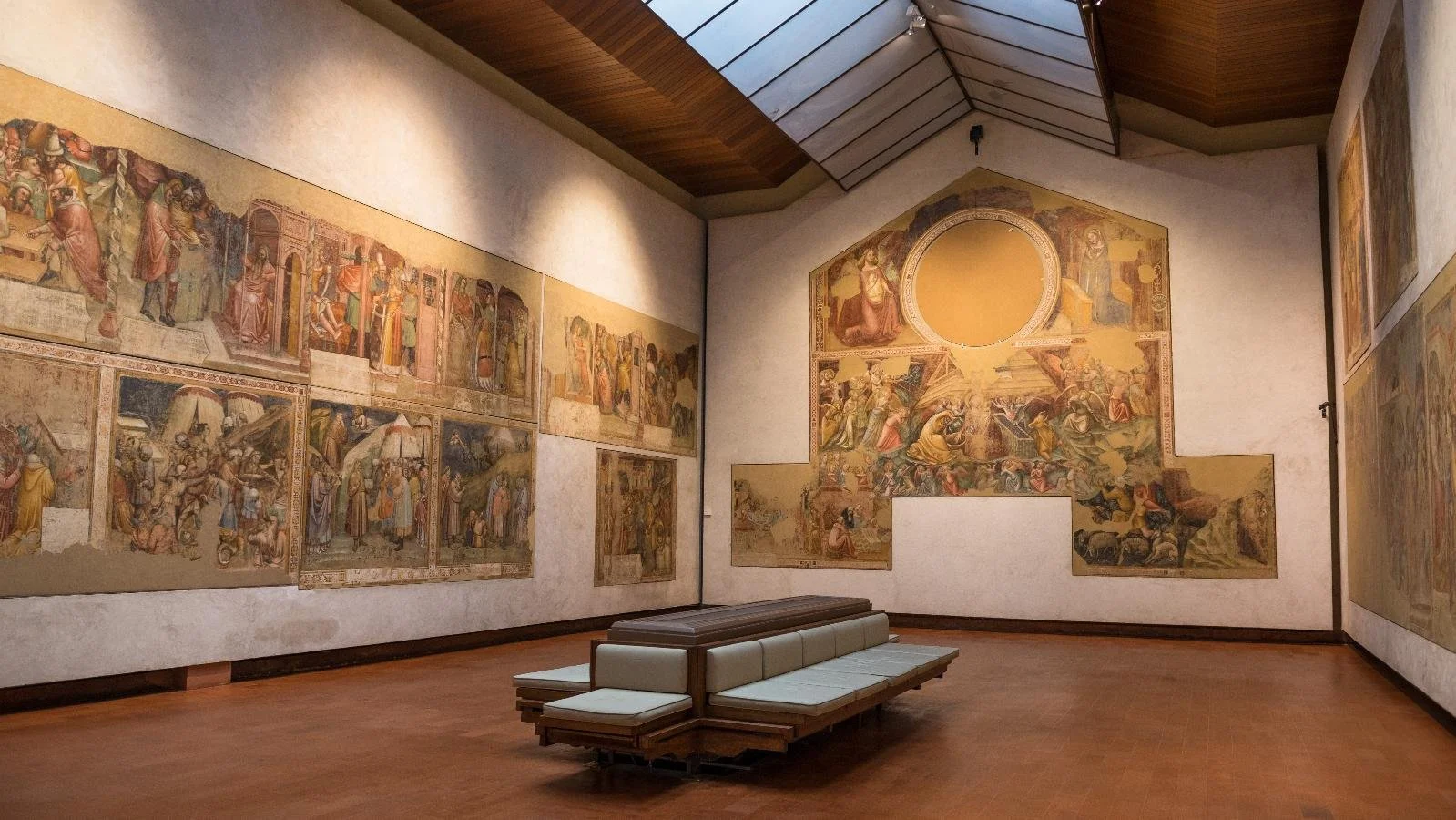
The Pinacoteca Nazionale di Bologna, home to work by Giotto, Raphael, and the Carracci family, is normally €6 full price / €2 reduced, and closed Mondays. On the first Sunday of every month it's free for everyone, with extended hours (9:00–19:00) — confirmed as still running as of September 2026. Visitors under 18 get in free year-round regardless of the date. If your trip doesn't land on a first Sunday, weigh the €6 against your budget; it's not an unreasonable one for the collection on offer.
A Word on MAMbo
Bologna's museum of modern art, MAMbo, is often lumped in with the "free first Sunday" crowd because of the Pinacoteca's policy — but this isn't currently accurate. MAMbo's own information confirms that its earlier free-Sunday and free-Thursday-evening promotions were suspended and have not been reinstated. What is genuinely free at MAMbo, always: visitors aged 0–18, university students with ID, and Card Cultura holders. Everyone else pays €6 full / €4 reduced. Worth knowing before you show up expecting a free pass.
Piazzas, Porticoes and Free Architecture
Piazza Maggiore
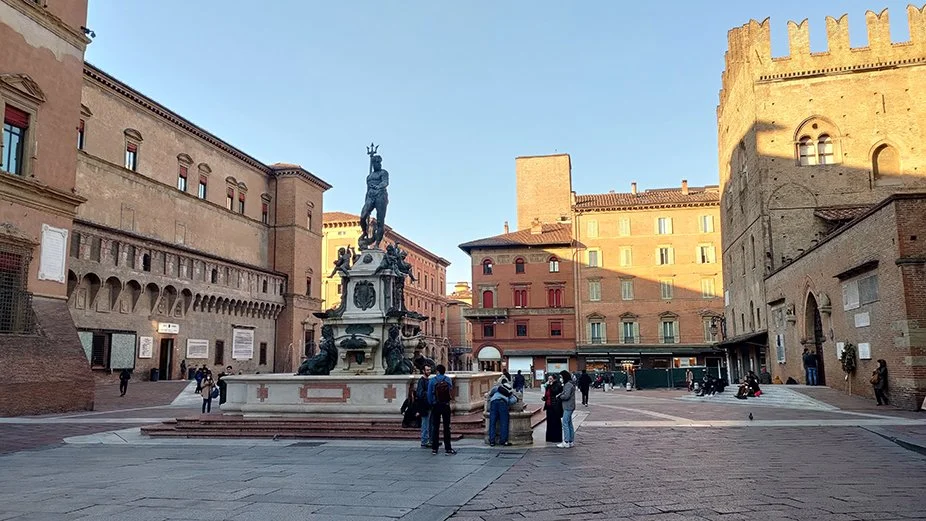
Bologna's main square costs nothing to enjoy and nothing to look at — the point of it, really. From here you can take in the exterior of San Petronio, Palazzo d'Accursio (the town hall), Palazzo del Podestà, and Palazzo Re Enzo, all without a ticket. Come at different times of day: it functions differently at 9am, at aperitivo hour, and at night when the buildings are lit.
Archiginnasio's Courtyard
Once the seat of Bologna's university, the Palazzo dell'Archiginnasio has free entry to its main courtyard and the grand staircase leading up to it, walls lined with painted coats of arms of centuries of students. What costs money is the Anatomical Theatre inside — the 17th-century lecture room with a canopy held up by carved wooden figures — which requires a paid, reservation-only ticket (€10 with audioguide, €12 guided). If your time or budget is tight, the free courtyard alone is worth the five minutes it takes to walk through.
The Two Towers, Honestly
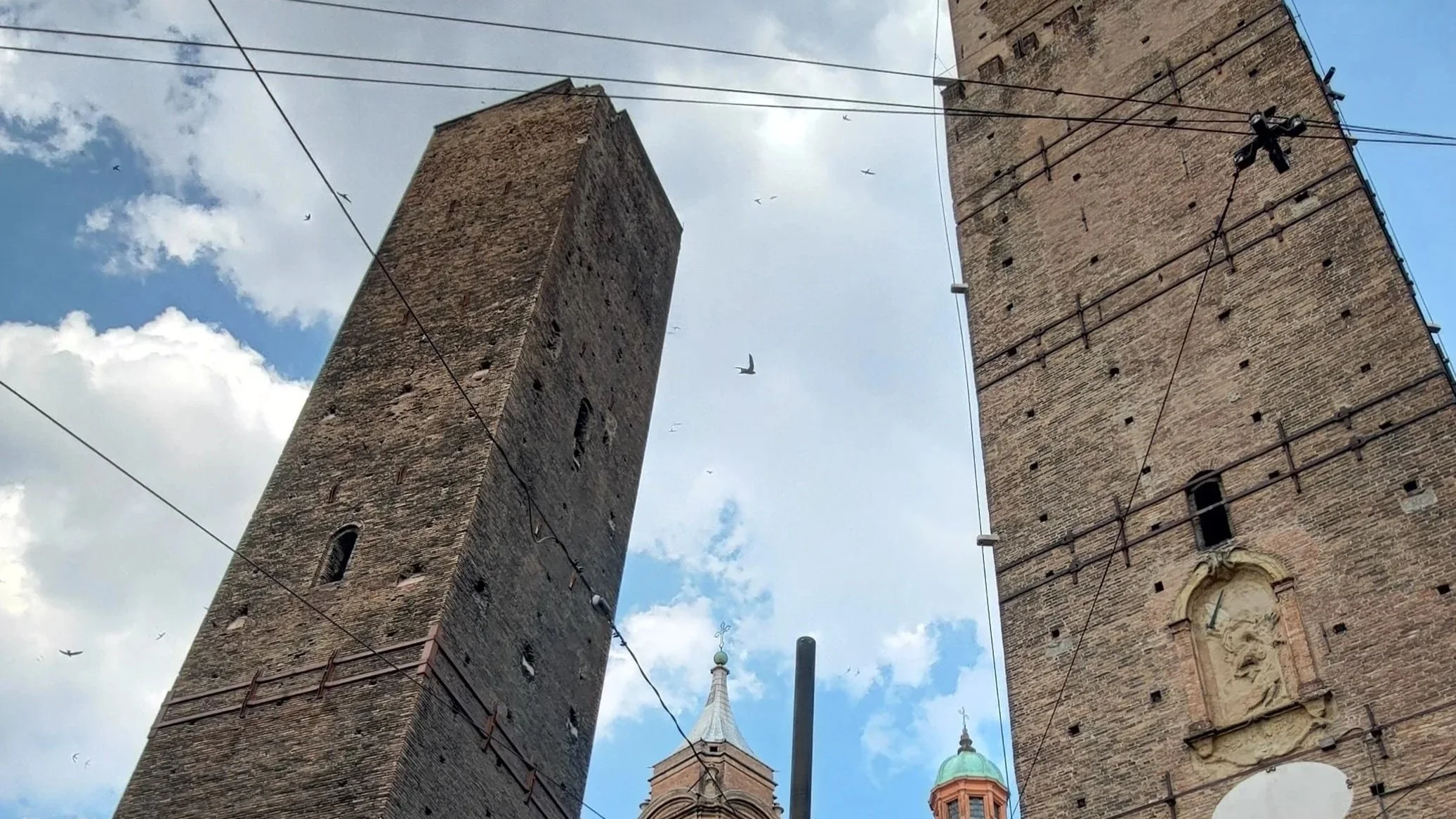
As covered above, you can still see the Asinelli and Garisenda towers from Via Rizzoli and the edges of Piazza di Porta Ravegnana, free, any time — but the square itself is partly fenced off for ongoing safety works, and climbing Asinelli isn't currently possible. If a tower view matters to you, Palazzo d'Accursio's own Torre dell'Orologio is open as an alternative, but it's a paid ticket (€10), not a free one — so it belongs in the "worth the small price" section further down, not here.
The Porticoes Themselves
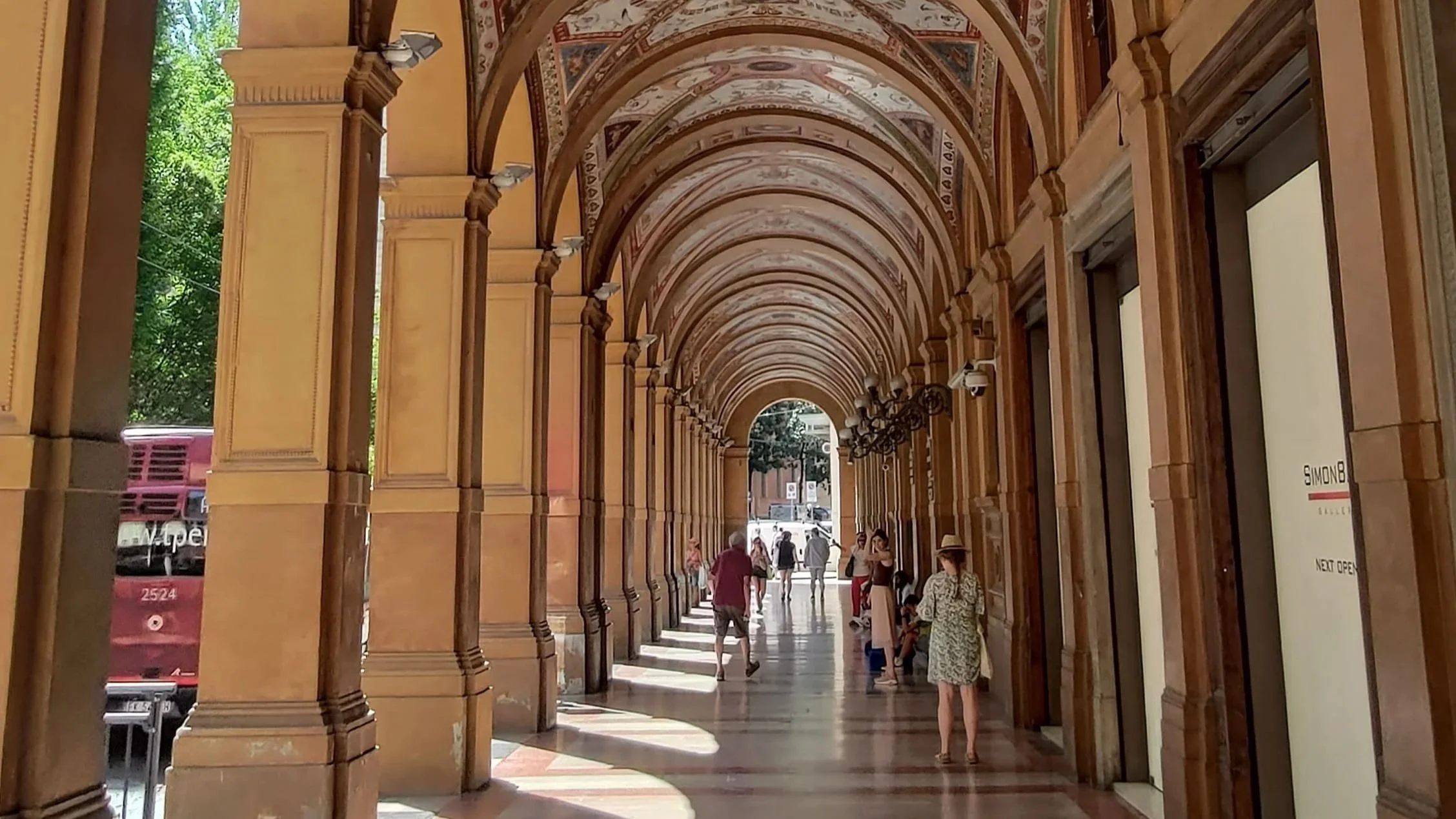
It's easy to walk past them without registering what they are: over 60 km of covered walkways lacing through the city, protecting pedestrians from sun and rain since the Middle Ages, and collectively part of that 2021 UNESCO listing. There's no single "best" stretch — just walk anywhere in the centre and you're under one.
Hidden Corners and Local Life
Finestrella di Via Piella
Tucked into a wall on Via Piella, at civic number 16/a, is a small iron-framed window that opens onto the Canale delle Moline — one of the few stretches of Bologna's medieval canal network still visible above ground, flanked by house facades that genuinely do look Venetian. It's free, unattended, and accessible at any hour, no ticket or queue involved. It's a two-minute stop, but it's the kind of thing that photographs better than most paid attractions in the city.
The Quadrilatero and Mercato di Mezzo
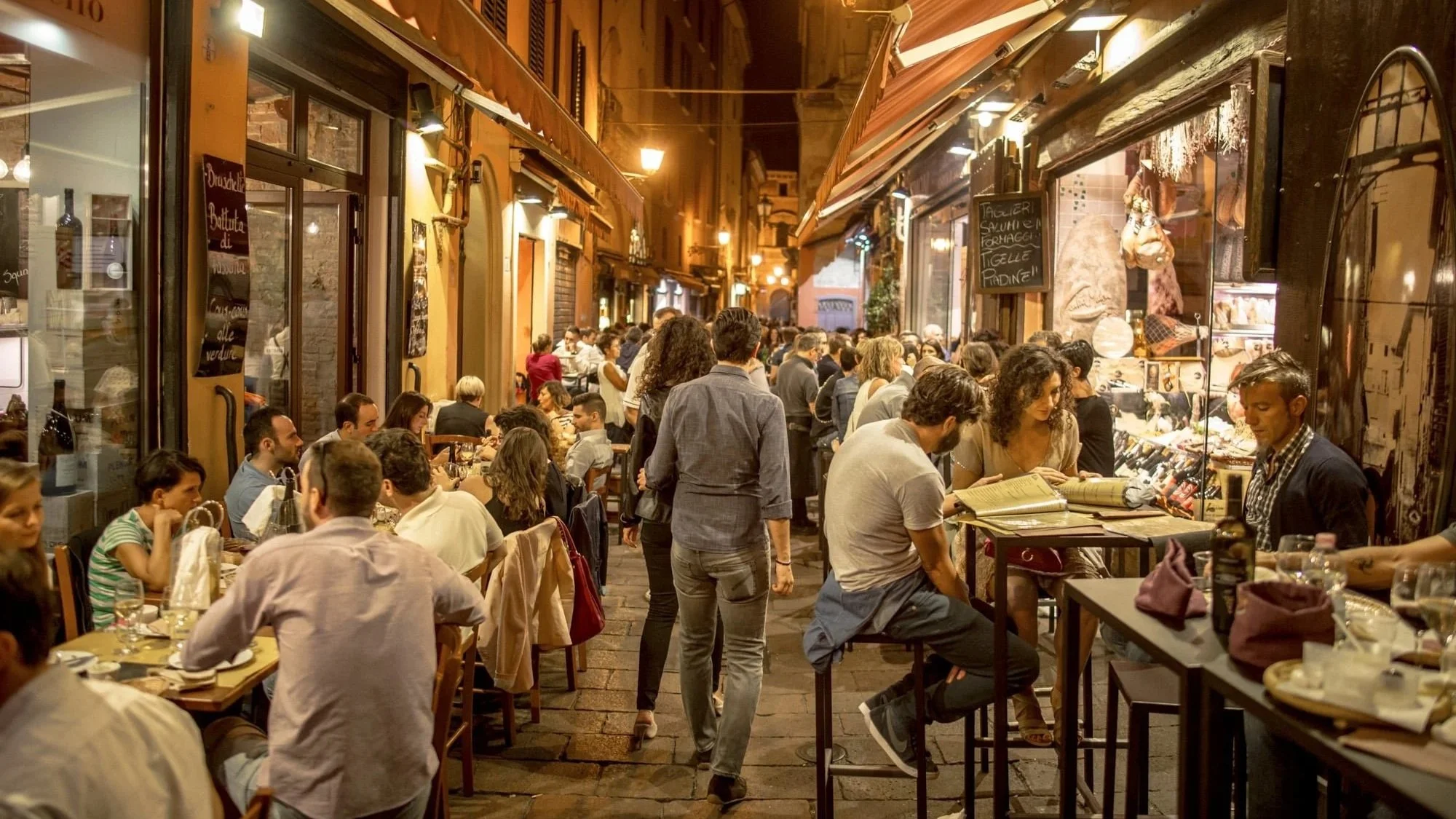
The old market quarter east of Piazza Maggiore — narrow streets like Via Pescherie Vecchie and Via Drapperie — is where Bologna still buys its food. Walking through costs nothing: watching a mortadella being sliced, a case of tortellini being folded by hand, crates of produce being stacked. What you spend is entirely up to you. Mornings are the liveliest; some shops close or slow down on Sunday afternoons, so if the market atmosphere is what you're after, aim for a weekday or Saturday morning.
Biblioteca Salaborsa
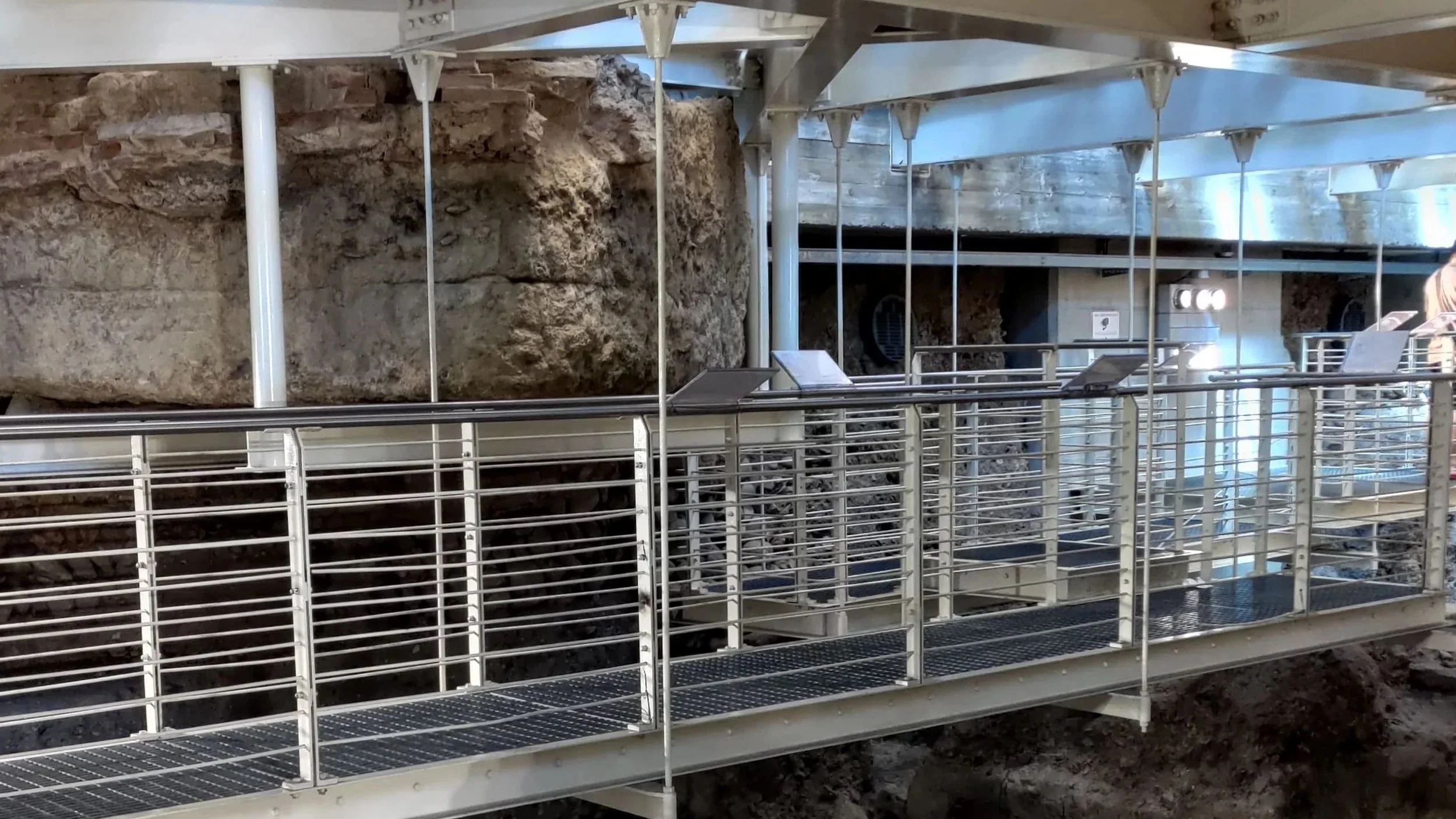
Bologna's central public library sits inside a former stock exchange building on Piazza Coperta, right off Piazza Maggiore, and it's free and open to anyone who walks in — not just cardholders. The main draw for visitors: a glass floor in the atrium through which you can see excavated Roman and medieval remains directly beneath the building. It's also simply a good, free place to sit down if the day gets long.
Parks for a Free Breather
Bologna isn't only stone and porticoes. Giardini Margherita, a short walk south-east of the centre, is the city's main green space — open lawns, tree-lined paths, a small lake — free and open year-round with no gate hours worth worrying about. Closer to the station, Parco della Montagnola is smaller and handier if you're killing time before a train, with elevated terraces and a view back toward the historic centre.
Low-Cost Things Worth the Small Price
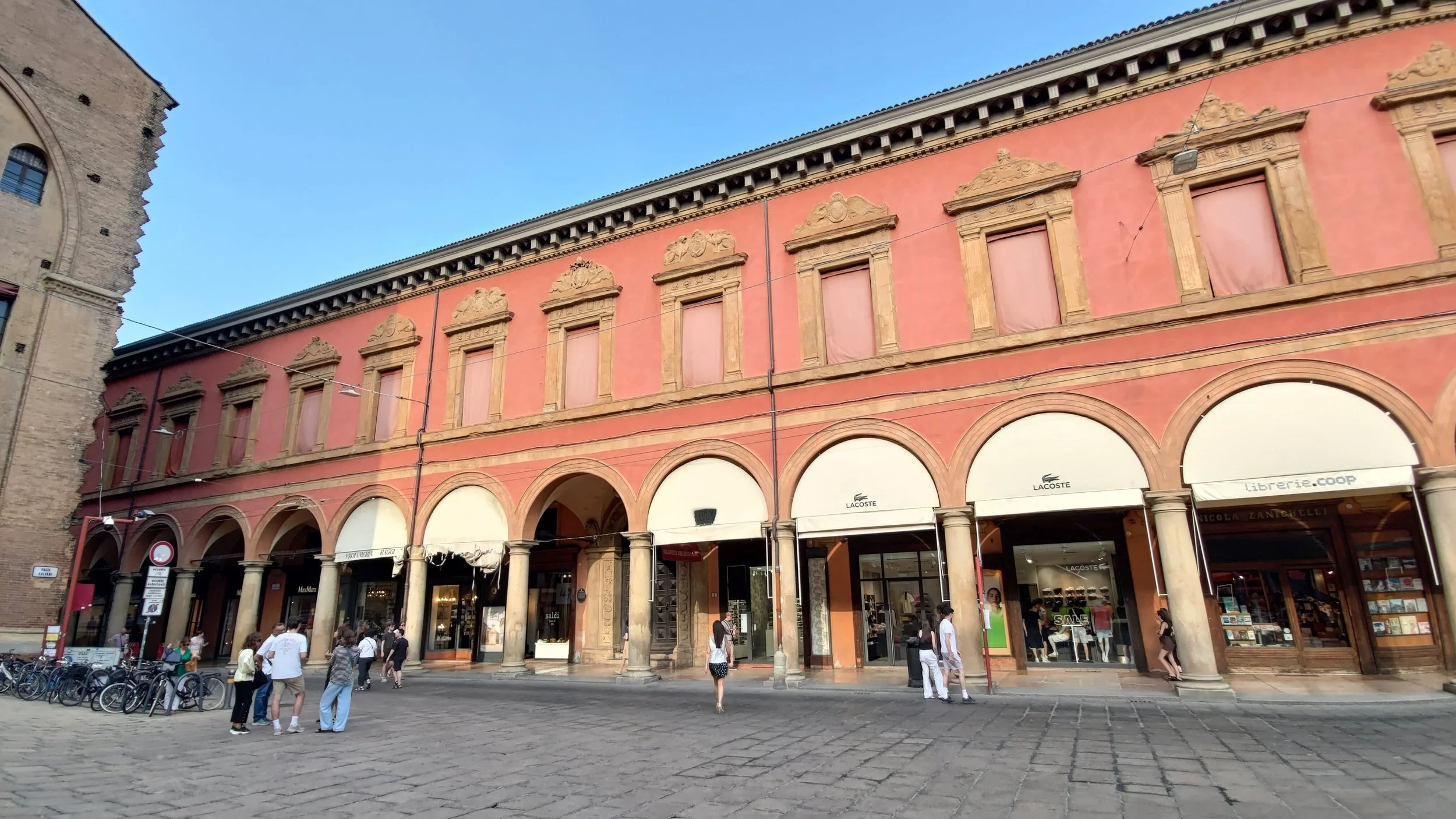
None of these are free, and we're not going to pretend they are — but each is a small enough spend that it's worth knowing about if you have a little room in the budget beyond the free itinerary above.
Torre dell'Orologio (Clock Tower), Palazzo d'Accursio — €10 full / €7 reduced, includes the Municipal Art Collections. Currently the more realistic way to get a rooftop view over Bologna, with Asinelli closed.
Archiginnasio's Anatomical Theatre — €10 with audioguide, €12 guided, reservation required. The courtyard is free; this room is the one paid extra worth considering if 17th-century medical history interests you.
San Petronio's three side chapels and terrace — €5 full / €3 reduced for the chapels, separate small fee for the terrace. The basilica itself, again, is free.
MAMbo, standard entry — €6 full / €4 reduced, unless you qualify for one of the always-free categories above (under 18, students, Card Cultura).
Want Something More Than Sightseeing?
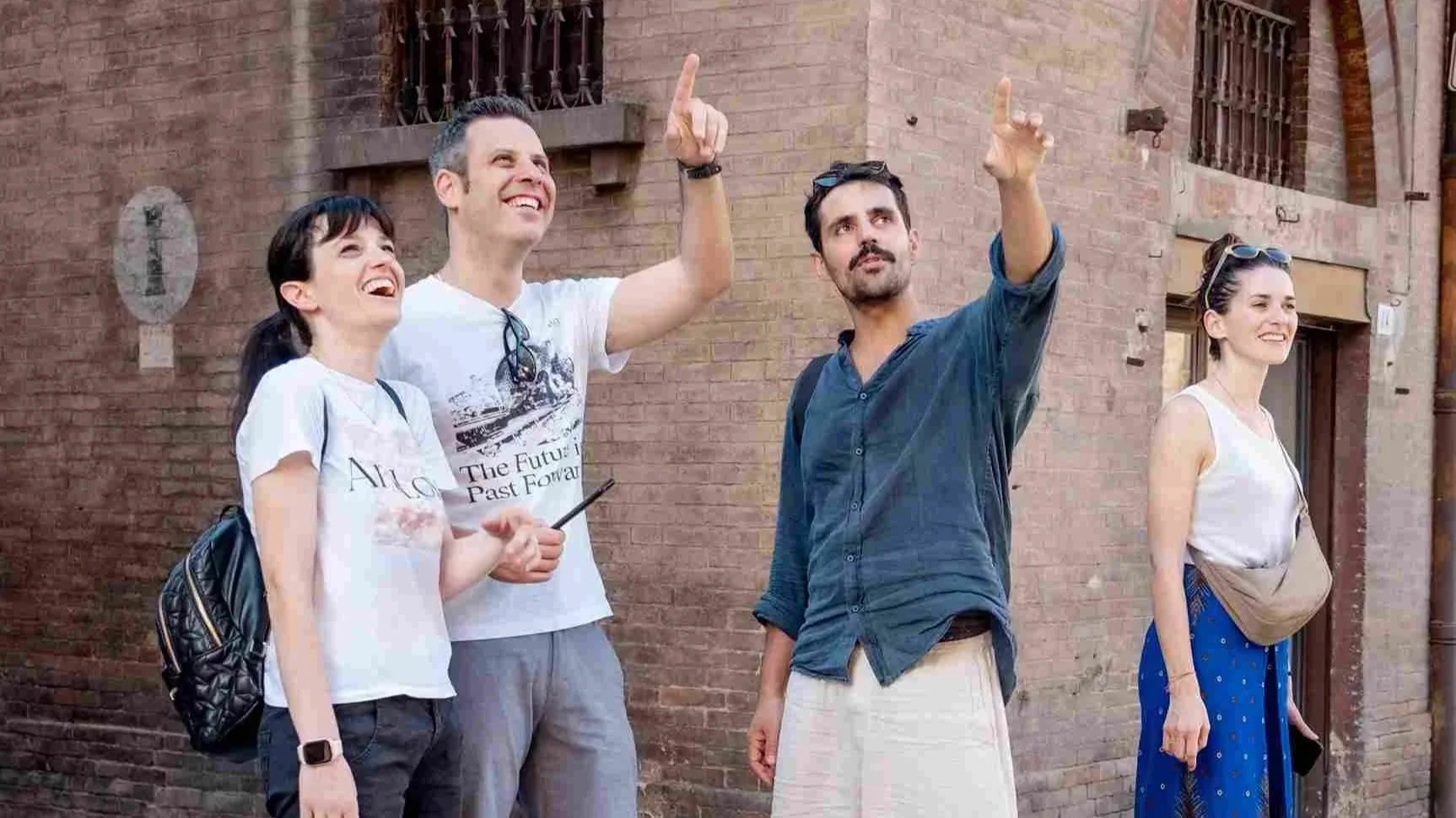
If you've done the free loop above and still have a few hours left — or you're travelling with kids who've had enough of "look at this old building" — ClueGo Bologna is worth knowing about, with one honest caveat up front: it isn't free. It's a paid, self-guided puzzle trail through the historic centre, and we're not going to pretend otherwise.
What it does offer, for €19.99 per group of up to five people, is a different way to move through the same streets you've just walked for free. The route runs about 3 km from Piazza VIII Agosto to Via Rizzoli, through Via Indipendenza, Piazza Maggiore, and Piazza Santo Stefano, past the Two Towers, with 12 riddles built around details most people — locals included — walk straight past: a dangerous painting, a pope who allegedly stopped time, the city's own take on New York and Venice. It's a Web App, so there's nothing to download; you buy a code, open a link on your phone, and start whenever you're ready — no fixed time, no guide waiting for you, no booking window to hit. You can pause for coffee and pick it up later, and the code stays valid for six months before you have to start.
It's a solid option for families (recommended from around age 7), small groups, or couples who've had their fill of standing in front of monuments and want to actively look for something instead. If that sounds like where you're at after the free version of Bologna, check out the ClueGo Bologna trail for details.
-
Not particularly, and less than its reputation suggests. Accommodation and dining can add up like anywhere in Italy, but the core sightseeing — basilicas, piazzas, the porticoes, several notable churches — costs nothing. The main paid items (the Two Towers when open, the Anatomical Theatre, museum tickets) are all individually cheap by Western European standards.
-
Walking the Portico di San Luca to the sanctuary, stepping into the Basilica di San Petronio and the Santo Stefano complex, and finding the Finestrella di Via Piella are the standouts — each gives you something distinctive about the city without a ticket.
-
Some, some of the time. The Pinacoteca Nazionale is free every first Sunday of the month. MAMbo is not free on a recurring schedule for general visitors, despite what some guides claim — only under-18s, students, and Card Cultura holders get in free there year-round. San Petronio's own small museum is free at all times.
-
Yes. A day built around the free basilicas, Piazza Maggiore, the porticoes, and a walk up to San Luca covers most of what makes the city worth visiting, with money left over for food — which, in Bologna, is where most visitors would rather spend it anyway.
-
The first Sunday of the month brings free entry to the Pinacoteca Nazionale. Every Sunday, the free sites that are open every day — San Petronio, San Domenico, San Luca, the Finestrella, the piazzas — remain free as usual. Santo Stefano keeps slightly different Sunday hours (9:30–12:30, 15:00–19:00), so check before planning around it.
-
Very. The historic centre is compact enough that everything in this guide is reachable on foot, much of it under cover thanks to the porticoes — useful in both summer heat and winter rain. The one genuine walk is the climb to San Luca, which is long but entirely optional and can be shortened or skipped.