
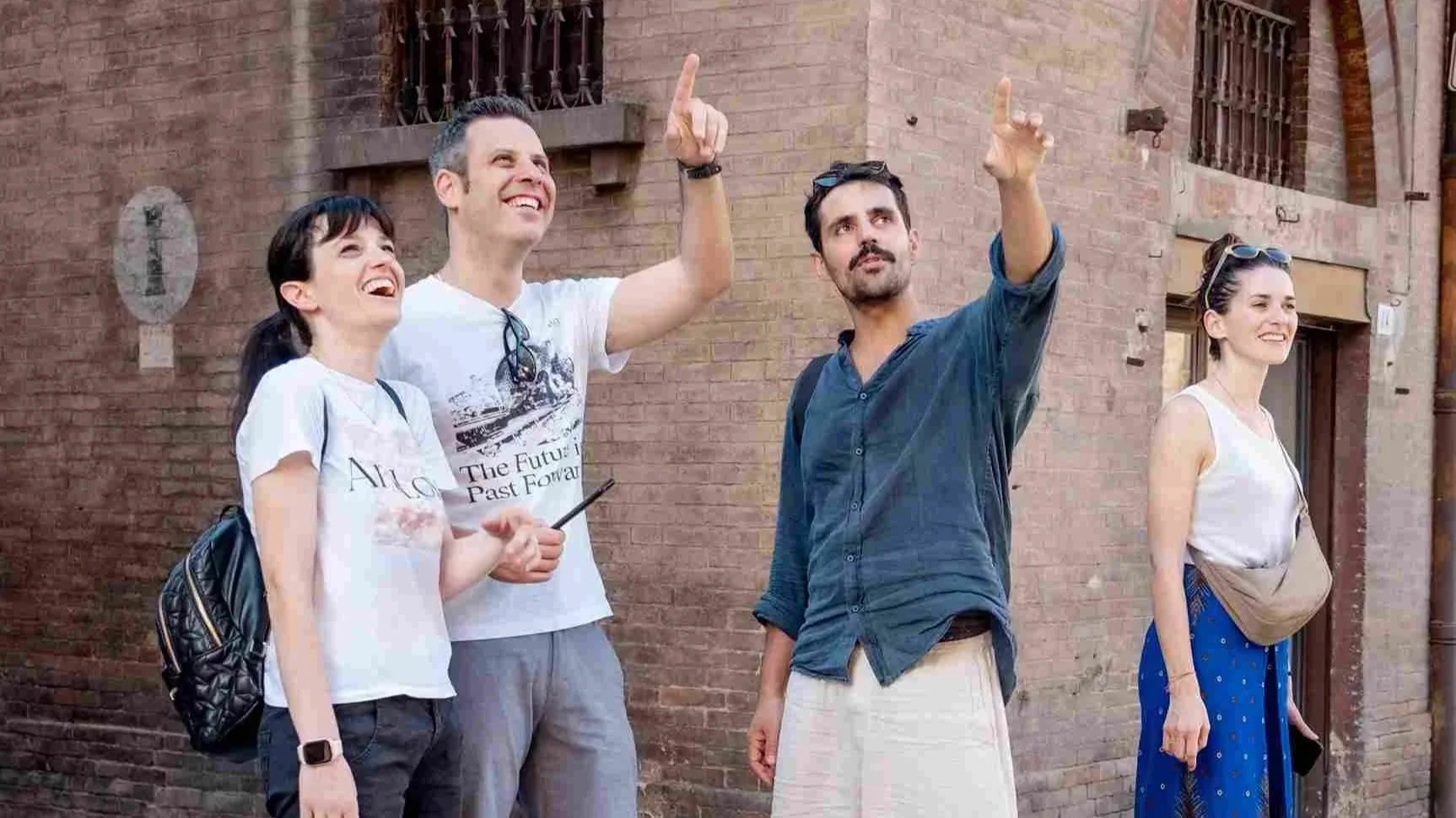
If you have already seen Florence's Duomo, crossed Ponte Vecchio and walked through Piazza della Signoria, there is another side of the city worth looking for.
Some of Florence's more unusual places are not major attractions at all. They are tiny openings in old palaces, workshops where traditional crafts are still practised, painted shop shutters, a cemetery hidden behind a gate, or a greenhouse in a public garden.
Here are some of the places and experiences that can give you a different way to explore Florence.
Look for Florence's hidden details
1. Walk Via Palazzuolo when the shutters become an open-air gallery
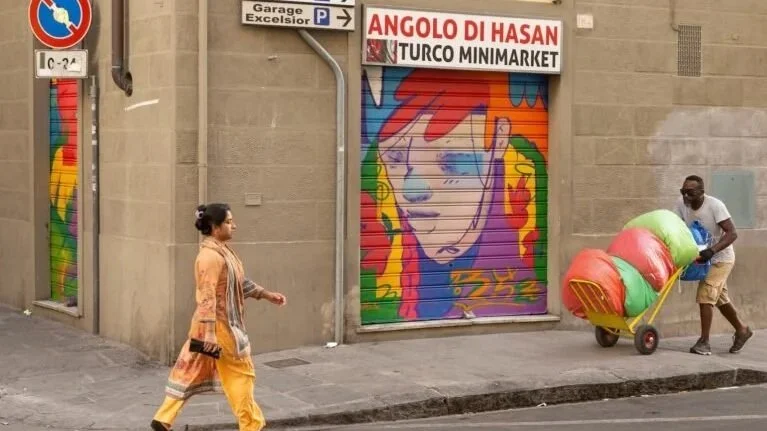
Photo by firenzeurbanlifestyle.com
Via Palazzuolo runs close to Santa Maria Novella, but it sits outside the usual tourist routes. When the shops close, many of its shutters become canvases for street artists.
The project Palazzuolo Strada Aperta was created as part of Florence's urban regeneration programme. The works extend along Via Palazzuolo, Via dei Canacci and Via del Porcellana, turning the area into an open-air gallery that can be visited from the street.
The project is still growing. In 2026, nine new artists are contributing works, bringing the total number of decorated shutters to 53 by the end of September.
If you are visiting in September 2026, there is an additional reason to come: the programme includes street-art tours, workshops and an English-language tour.
Where: Via Palazzuolo, Via dei Canacci and Via del Porcellana
Cost: free to see the works from the street
Best for: street art, photography and a different walk near Santa Maria Novella
2. Look down for Florence's wine windows
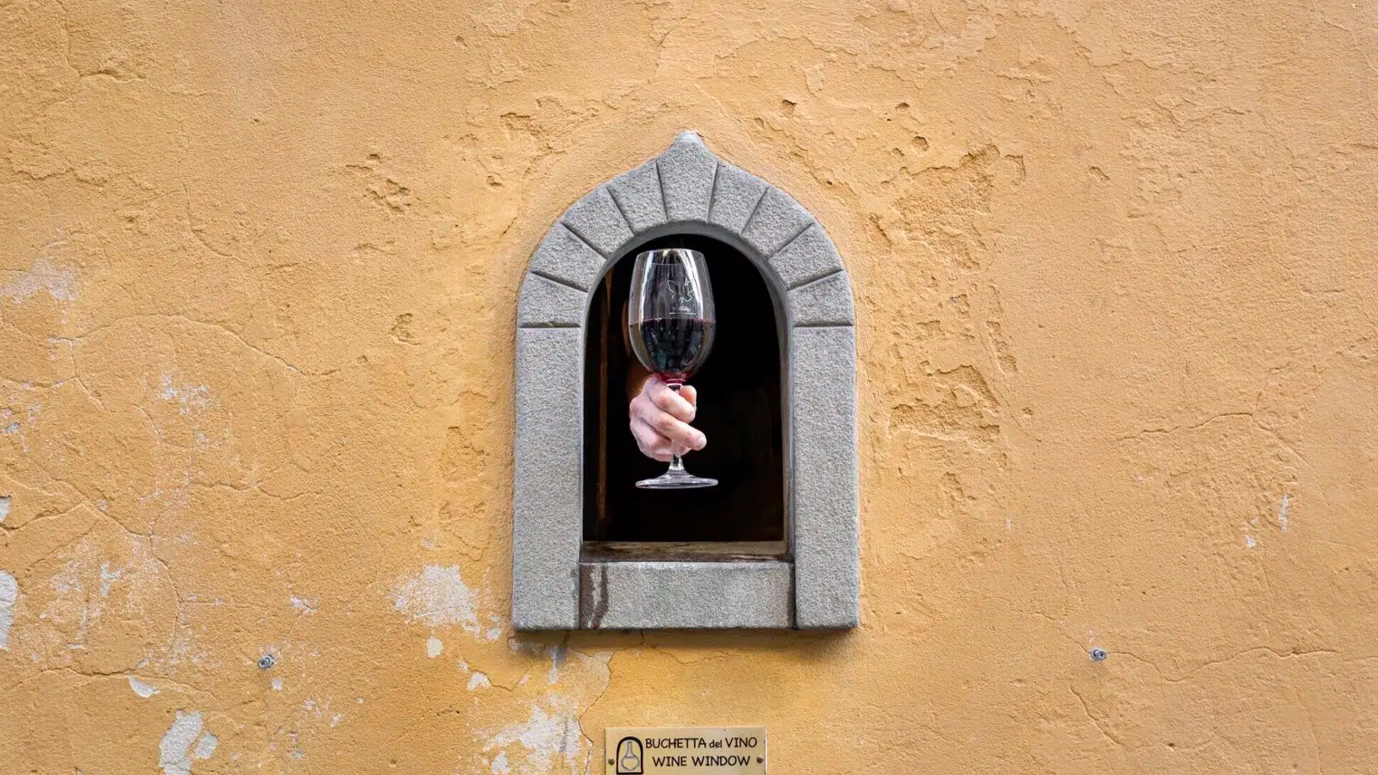
Photo by scattidigusto.it
One of the easiest unusual details to miss in Florence is also one of the smallest.
Look at the walls of the historic palaces as you walk through the centre and you may spot little openings at about chest height, often shaped like miniature architectural niches. These are the famous wine windows, or buchette del vino.
Florentine wine producers once used them to sell wine directly from their palaces. The opening was just large enough for a traditional flask to pass through.
There are around 170 documented wine windows in the municipality of Florence. Some are barely noticeable, while others have been restored and put back into use. A few businesses now use them to serve wine or even gelato through the original openings.
You can turn this into a small walking game: instead of looking for another famous facade, see how many wine windows you can spot.
Where: throughout the historic centre
Cost: seeing the windows is free; prices vary where a business uses one
Best for: architecture details, local history and a self-guided walk
3. Turn a walk through the centre into a puzzle

If you would rather have a reason to look closely at Florence while walking, ClueGo Florence is one option.
It is a self-guided puzzle trail covering about 3 km and nine stops in the city centre. The route takes around 2–3 hours without breaks and includes places such as the Duomo, Piazza della Signoria, the Uffizi and Ponte Vecchio.
The game runs through a Web App, so there is no app to download and no guide waiting at the starting point. You can start when you want, pause the trail and continue later.
The Florence trail is available in English and Italian and costs €19.99 per group of 1–5 people on the English Florence page.
It is particularly useful if you want an activity rather than another list of places to photograph: each puzzle asks you to observe something in the city before moving on.
Duration: about 2–3 hours
Distance: about 3 km
Group: 1–5 people
Price: €19.99 per group
Booking: no fixed time or reservation required
See Florence through its crafts
4. Make your own marbled paper at Riccardo Luci
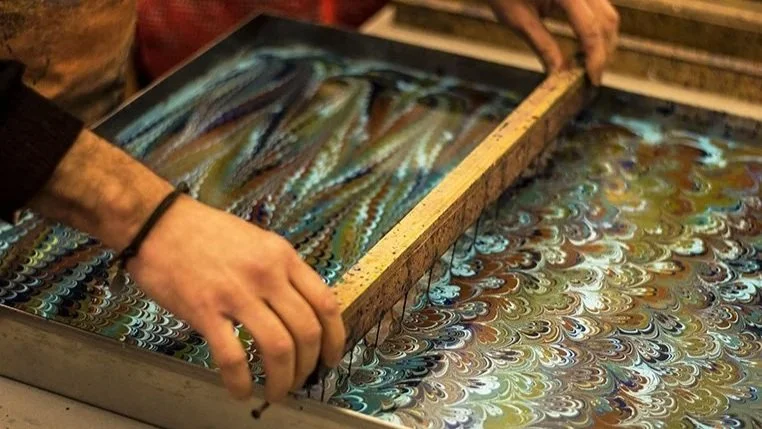
Photo by riccardoluci.com
Florence's craft tradition is easier to understand when you see someone actually working.
At Riccardo Luci, a historic bookbinding workshop on Via del Parione, the family business has been working in Florence since 1908. The shop still produces handmade stationery and leather objects using traditional bookbinding and marbling techniques.
You can also take part in a marbled paper workshop. The activity is designed for both adults and children, so this is one of the more practical ways to experience a traditional Florentine craft instead of simply buying a finished souvenir.
The workshop needs to be arranged directly with the shop, so check availability before going.
Where: Via del Parione 35 A/R
Booking: required for the workshop
Best for: couples, families and anyone interested in traditional crafts
5. Watch silk being woven at Antico Setificio Fiorentino
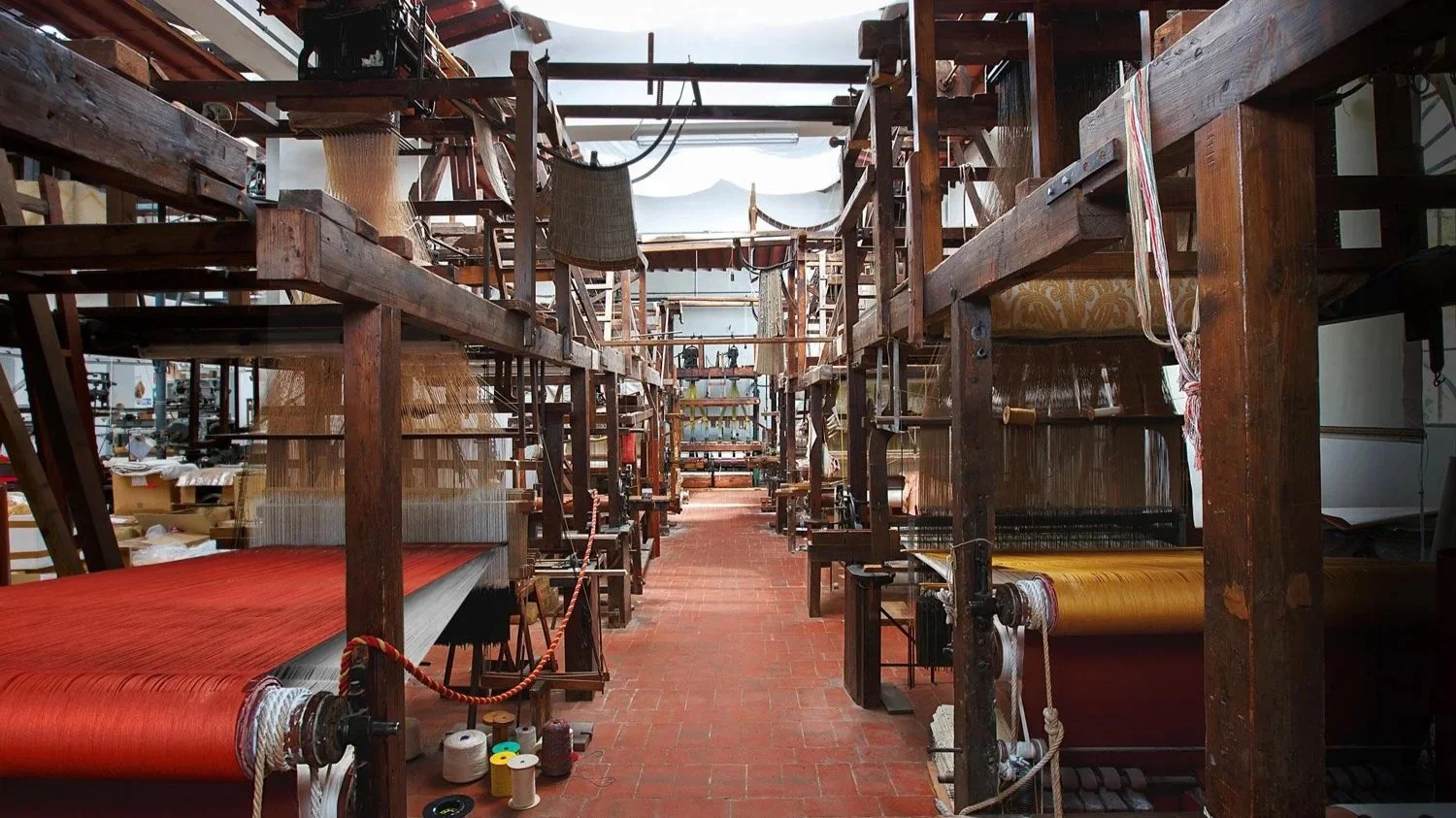
Photo by homofaber.com
In Borgo San Frediano, the Antico Setificio Fiorentino still produces Florentine fabrics inside a historic workshop.
A guided visit takes you through the production process and the showroom, with explanations of the fabrics and the work carried out on the looms. Tours are available in both Italian and English.
There is also a more unusual option: the “Weaver for a day” experience. It lasts three hours and introduces visitors to weaving using an historic warping machine from the 18th century, built according to a design attributed to Leonardo da Vinci.
This is one of the better choices if you want to see an actual working craft rather than a display of finished objects.
Where: Via Lorenzo Bartolini 4
Guided tour: 45 minutes
Language: Italian and English
Booking: required
Weaver for a day: 3 hours, booking required
6. See how Florence turns stone into pictures
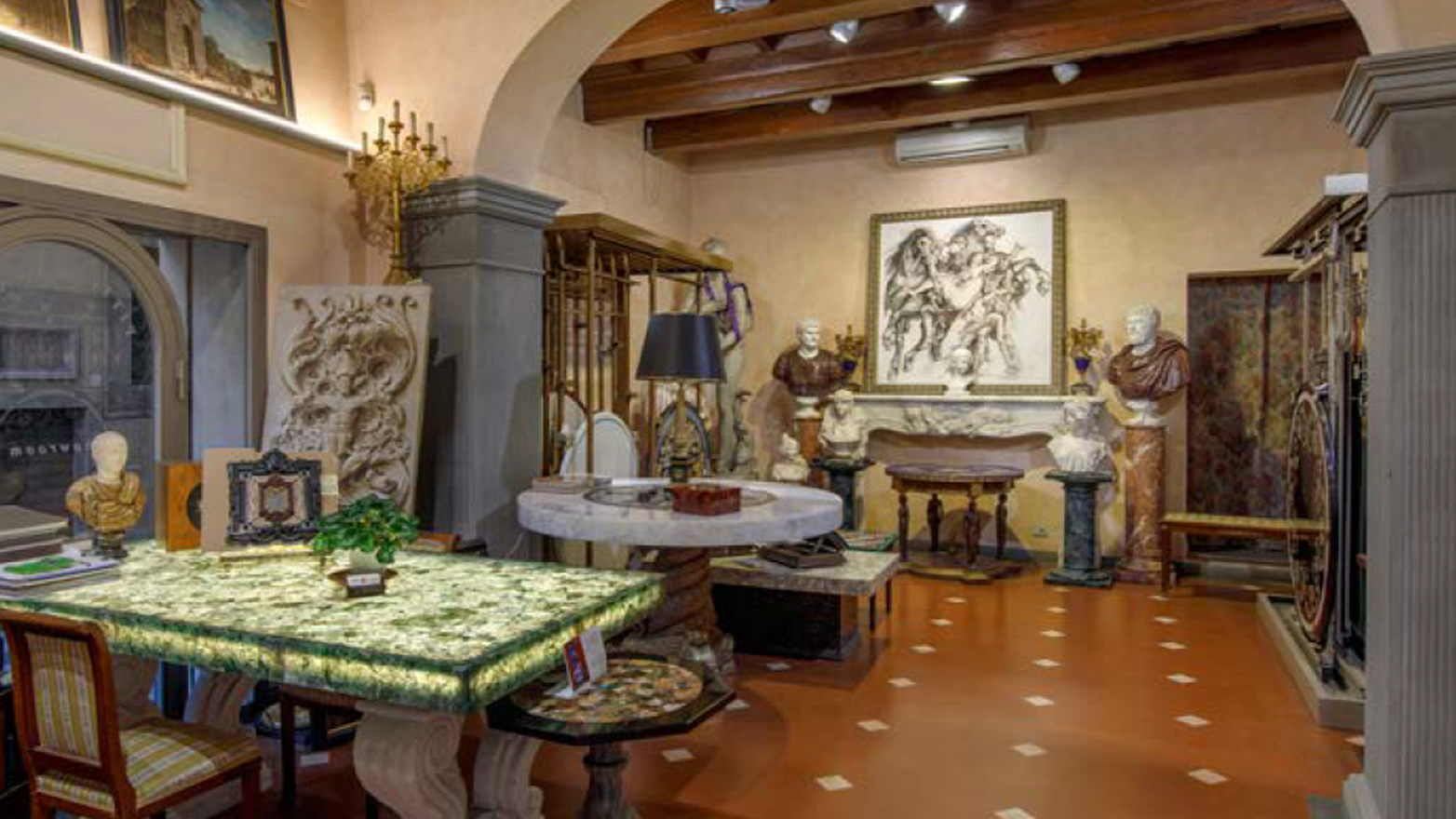
Photo by feelflorence.it
The Florentine commesso is a form of stone inlay developed in Florence using coloured and semi-precious stones.
Instead of applying paint to a surface, artisans select stones for their natural colours and patterns and cut them to fit together. The result can resemble a painting, but every colour comes from the material itself.
Florence's tourism office lists several workshops where visitors can see this tradition, including artisans working with mosaics and gemstone inlay.
One option is Pitti Mosaici, directly opposite Palazzo Pitti. The family workshop specialises in commesso fiorentino and creates large mosaics, panels and decorative objects. Visits to the showroom are available by appointment.
Where: several workshops in Florence
Booking: check with the individual workshop
Best for: architecture, crafts and unusual souvenirs
Find a different side of the city
7. Step inside the English Cemetery
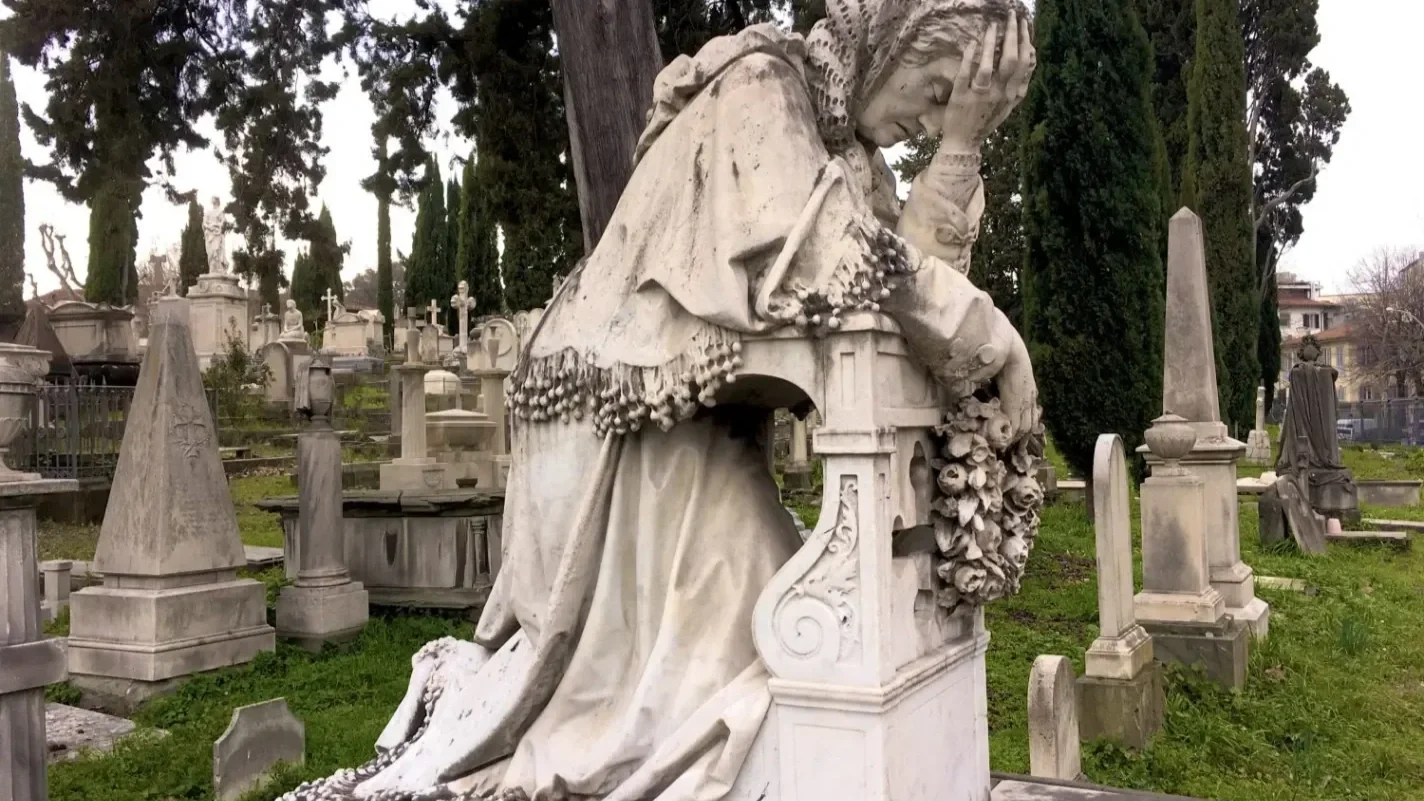
Photo by fragolosablog.com
In the middle of Piazzale Donatello, surrounded by traffic and city streets, a small gate leads into the English Cemetery.
The Protestant cemetery was used between 1827 and 1877. Instead of orderly rows, the graves follow the contours of the mound, creating a compact landscape of paths, trees and tombs.
Several writers, artists and intellectuals are buried here, including Elizabeth Barrett Browning.
The cemetery has limited opening hours. In the 2026 spring and summer season it is open Monday mornings and Tuesday to Friday afternoons, while weekends are closed. You also need to ring the bell to enter.
The ground is steep and gravelly, and the cemetery is not accessible to wheelchair users.
Where: Piazzale Donatello 38
2026 opening: Monday 9am–12pm; Tuesday–Friday 3pm–6pm from March 30 to October 25
Cost: check locally before visiting
Important: difficult access and uneven ground
8. Check the programme at Il Conventino
Phoyo by visittuscany.com
The Vecchio Conventino in the Oltrarno has had several lives.
It began as a 19th-century monastery. During the First World War it was converted into a hospital for soldiers returning from the Battle of Caporetto. Later, its spaces were rented to craftsmen and artists. During the Fascist period, it housed an illegal printing press; during the Second World War it was also used as a shelter for partisans.
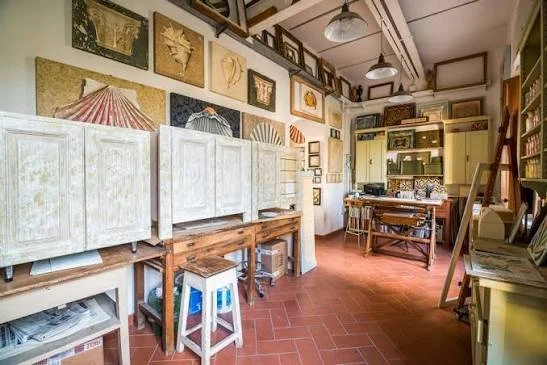
Today, around 20 traditional craft workshops operate within the complex.
There is one important practical detail: this is not a place to simply turn up expecting a permanent visitor route. The public opening depends on temporary exhibitions and events. Its programme can include workshops and visits to the artisan spaces.
So check the current calendar before making the detour.
Where: Via Giano della Bella 20
Access: during exhibitions and events
Best for: crafts, local history and temporary workshops
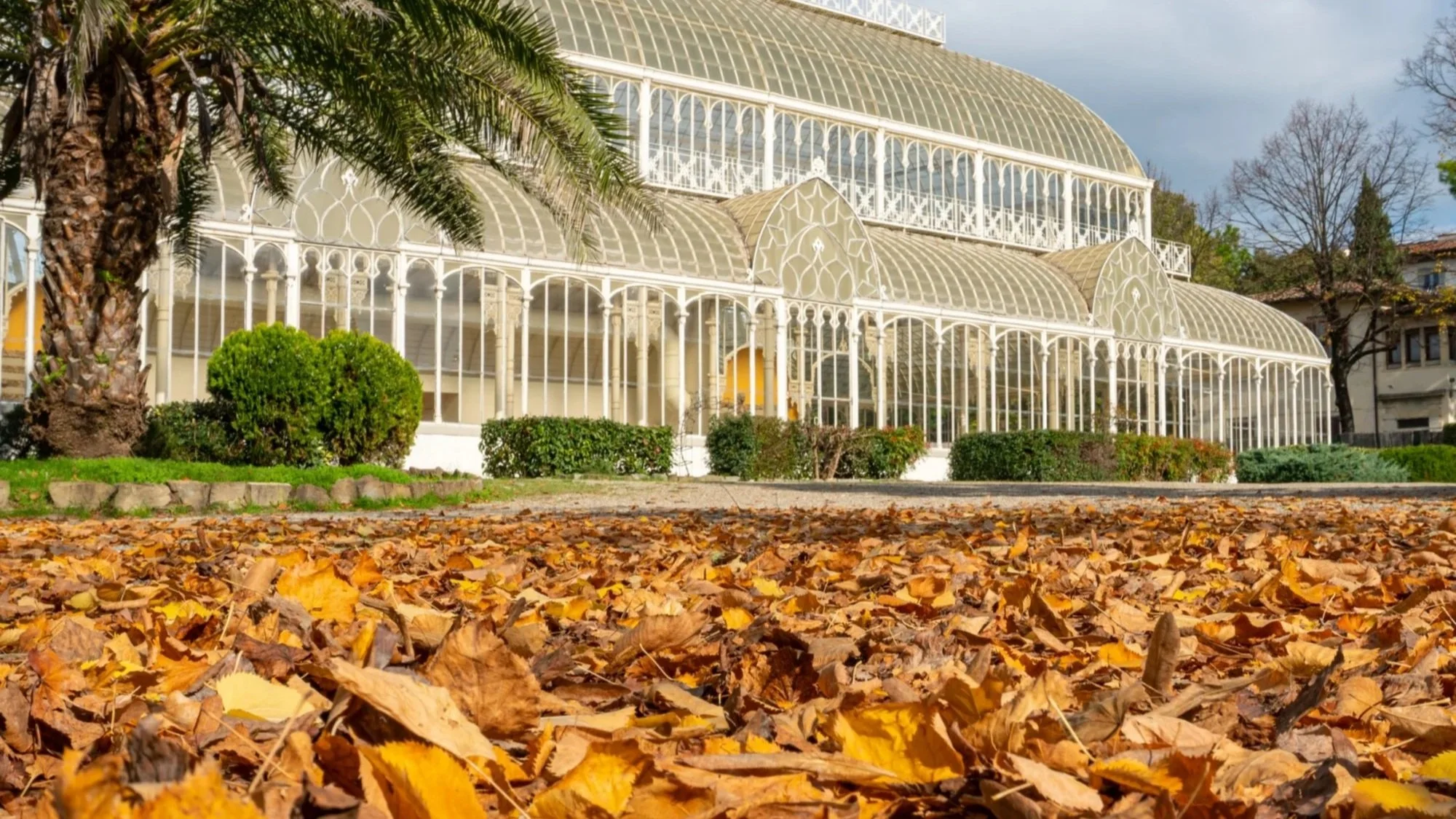
9. See the 19th-century greenhouse in the Giardino dell'Orticoltura
Phot by Stefano Cannas
The Giardino dell'Orticoltura is a public garden north of the historic centre, but its most unusual feature is not the plants.
Look for the large glass-and-iron Tepidarium, designed by architect Giacomo Roster and inaugurated in 1880.
The garden was developed by the Tuscan Society of Horticulture during the second half of the 19th century. Today it remains a public green space and also has a children's playground.
It is a useful stop if you want to combine a quieter walk with an example of Florence's 19th-century architecture, without entering another museum.
Where: Via Vittorio Emanuele II 4
Cost: free
Best for: architecture, gardens and families
One unusual museum worth the detour
10. Visit the Stibbert Museum and its Egyptian temple
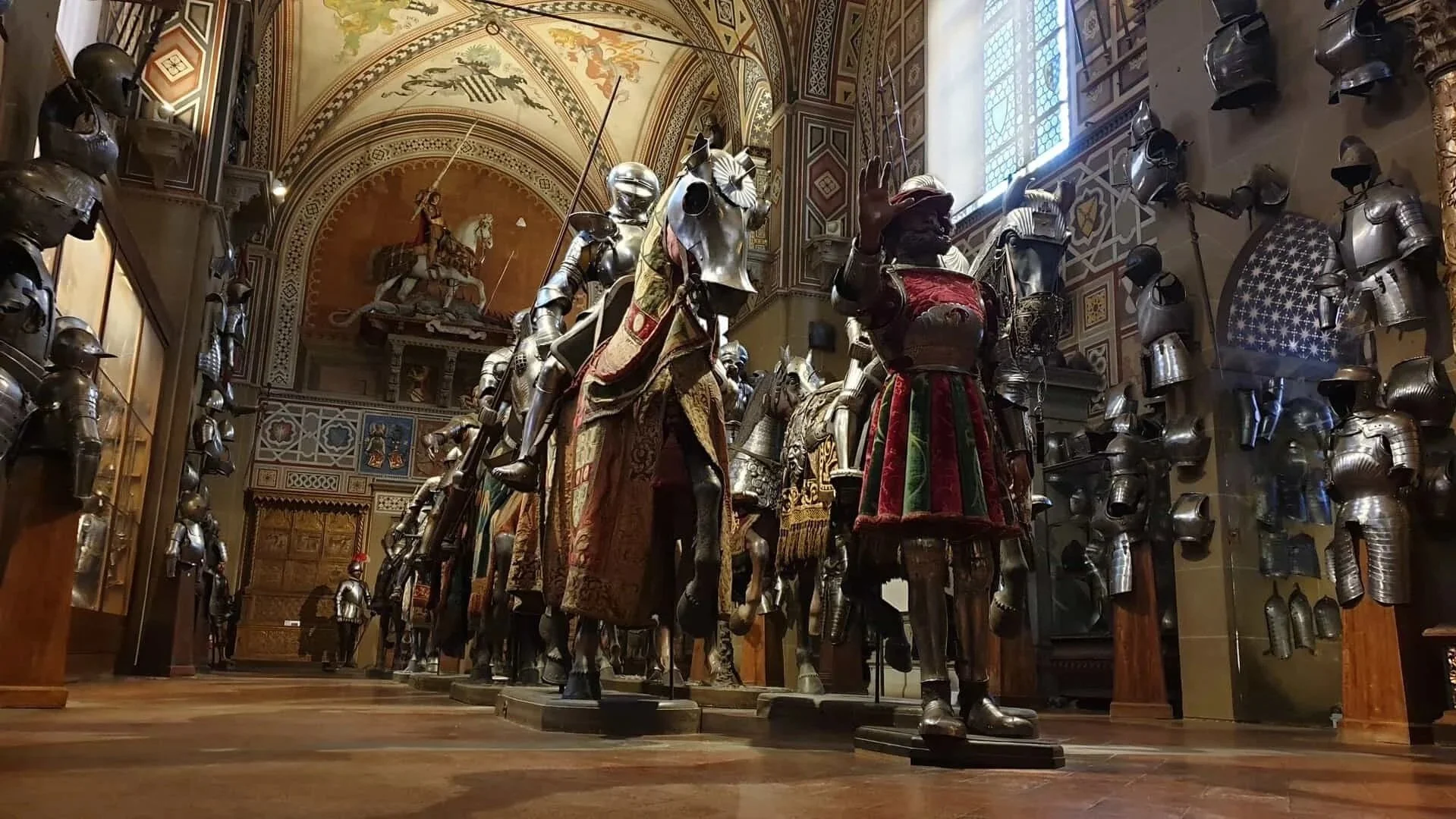
Photo by italiaignota.com
If you want to include one museum that feels genuinely different, make it the Stibbert Museum.
Frederick Stibbert's former villa contains weapons, armour, costumes, furniture, tapestries and other objects arranged across around 60 rooms. The most immediately striking space is the riding hall, where life-size European and Oriental knights are displayed.
But the real surprise continues outside.
The villa is surrounded by a romantic park containing statues, grottoes, water features, an Hellenistic-style round temple and a small Egyptian temple beside a pond.
The museum is outside the main tourist core, in the Montughi area. In 2026 it is open Monday to Wednesday from 10am to 2pm and Friday to Sunday from 10am to 6pm, with Thursday closed. Visits take place at set hourly intervals.
Where: Via Federico Stibbert 26
2026 price: €12 full ticket
Opening: Monday–Wednesday 10am–2pm; Friday–Sunday 10am–6pm
Booking: strongly recommended, especially at weekends
A seasonal extra: Florence's Iris Garden
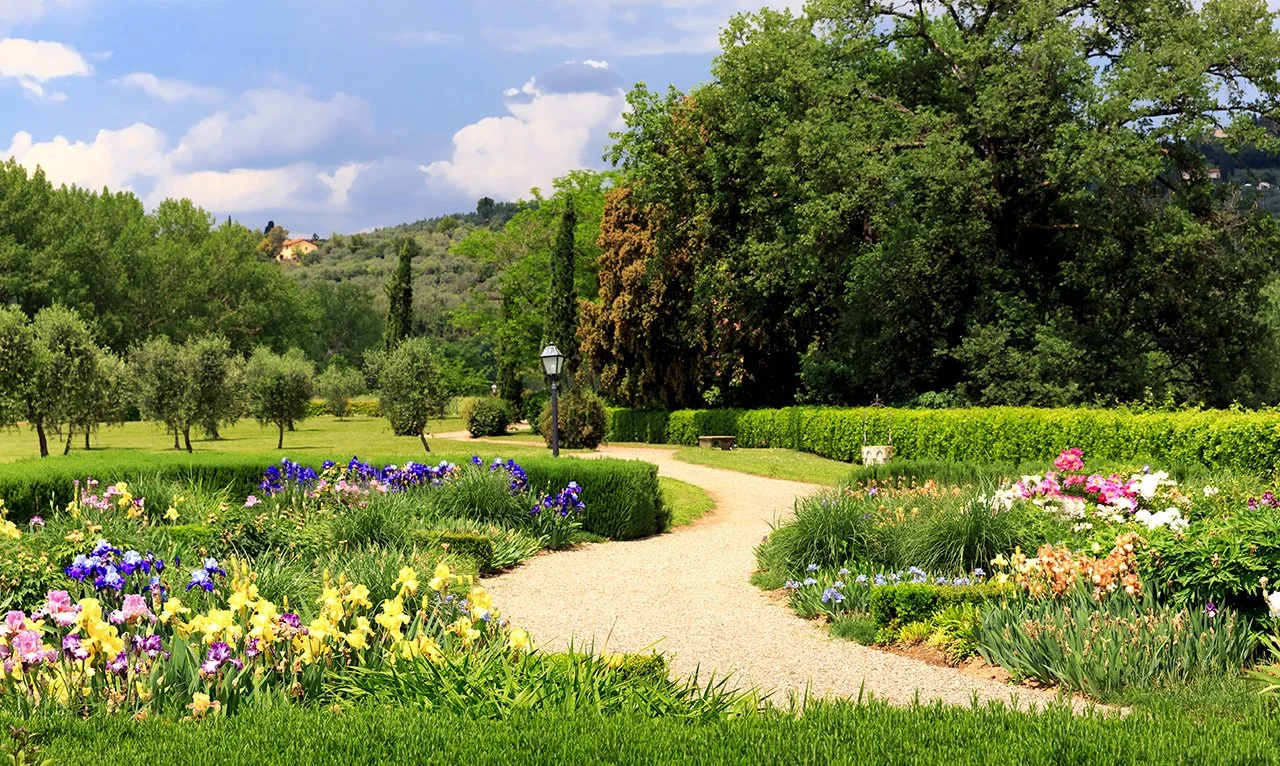
Photo by firenzemadeintuscany.com
If you are in Florence in late April or May, there is one more place to add to the list.
The Iris Garden, close to Piazzale Michelangelo, contains around 2,500 varieties of iris across 2.5 hectares. The garden opens to the public during the flowering season and hosts an international iris competition.
In 2026 it was open from April 25 to May 20, from 10am to 6pm, with free admission. Guided visits can also be arranged outside the public opening period.
The garden is particularly interesting because the iris, rather than the lily, is the flower represented in Florence's historic emblem.
Check the dates before going: this is a seasonal garden, not a year-round attraction.
Frequently Asked Questions
-
For a first visit beyond the major sights, start with the wine windows, Via Palazzuolo's street art, a traditional artisan workshop and the English Cemetery. They give you four very different ways to see the city.
-
You can make marbled paper, visit a working silk workshop, see Florentine stone inlay being produced, look for historic wine windows or explore the city through a self-guided puzzle trail.
-
The Oltrarno has a particularly strong concentration of artisan workshops. Riccardo Luci, Antico Setificio Fiorentino, the Scuola del Cuoio and the workshops specialising in Florentine commesso are good starting points.
-
Yes. The wine windows can be spotted for free, Palazzuolo's street art can be viewed from the street, and the Giardino dell'Orticoltura is a public garden. Some experiences inside workshops require booking and payment.
-
Workshops at Riccardo Luci, visits to the Antico Setificio Fiorentino and technical visits at the Scuola del Cuoio require advance arrangements. The Stibbert Museum also recommends booking, particularly at weekends.
-
Several are. The wine windows and Riccardo Luci are in the historic centre, while Palazzuolo is close to Santa Maria Novella. The English Cemetery, Giardino dell'Orticoltura and Stibbert Museum require a longer walk or public transport.
Florence is small enough to walk between many of these places, but they are not all part of the same route. Choose them according to where you are already spending time rather than trying to visit all of them in one day.