
Rome Free Walking Tour: What to Know Before You Book

Photo by guruwalk.com
A free walking tour can be one of the cheapest ways to get an introduction to Rome. You meet a guide, walk through the historic centre with a group of other travellers and usually decide at the end how much the experience was worth to you.
The details vary considerably between tours, though. “Free” can mean tip-based, a small booking fee, or a genuinely free guided walk, while duration, group size, booking rules and routes all depend on the operator.
If you are comparing your options before booking, here is what matters.
In this guide:
How free walking tours in Rome work
What “free” actually means
Booking, meeting points and timing
The Things to Consider Before Booking
A Self-guided alternative: ClueGo Riddle Tour
Frequently asked questions
How Does a Free Walking Tour in Rome Work?
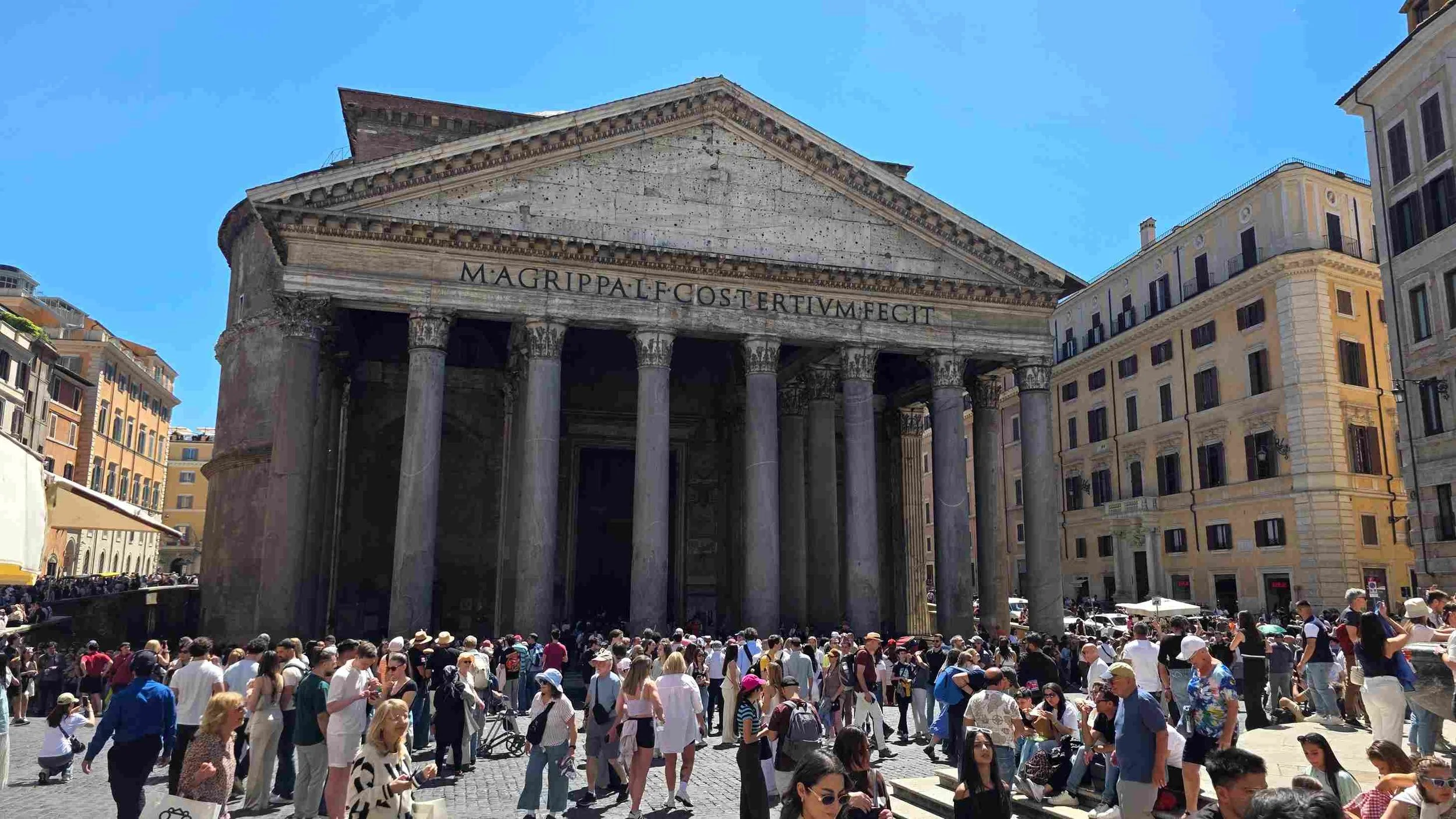
The basic idea is simple: you join a scheduled walking tour led by a guide and usually pay nothing, or very little, upfront.
There is no single format shared by every operator in Rome. New Rome Free Tour, for example, currently runs scheduled guided tours of Ancient Rome and the city centre, while other operators offer different routes, languages and booking conditions. Its FAQ says reservations are required and that most of its free tours last up to 2.5 hours.
The route is normally planned in advance. You meet the guide at a specific location, walk together through a selection of landmarks and finish somewhere else in the centre.
That structure works well if you want someone else to handle the route and explain what you are seeing as you go.
It also means your morning or afternoon revolves around the tour's schedule.
Is a Free Walking Tour Really Free?
This is the part worth checking before you book.
Many free walking tours use a pay-what-you-want or tip-based model. You reserve a place without paying the normal price of a conventional guided tour, then decide what to give the guide afterwards.
That does not mean every Rome tour works in exactly the same way.
For example, a current Civitatis Rome free tour is listed as free to book, lasts 2.5 hours and explicitly states that tips are not included. Another Rome operator currently lists a €1 price per person for one of its free walking tours.
So the useful question is not simply “Is it free?”
Check what you pay when booking and what is expected at the end.
There is no universal Rome-wide tip amount that can be applied to every free tour. If the operator does not specify one, you are free to decide what the experience was worth to you.
Do You Need to Book a Free Walking Tour in Rome?
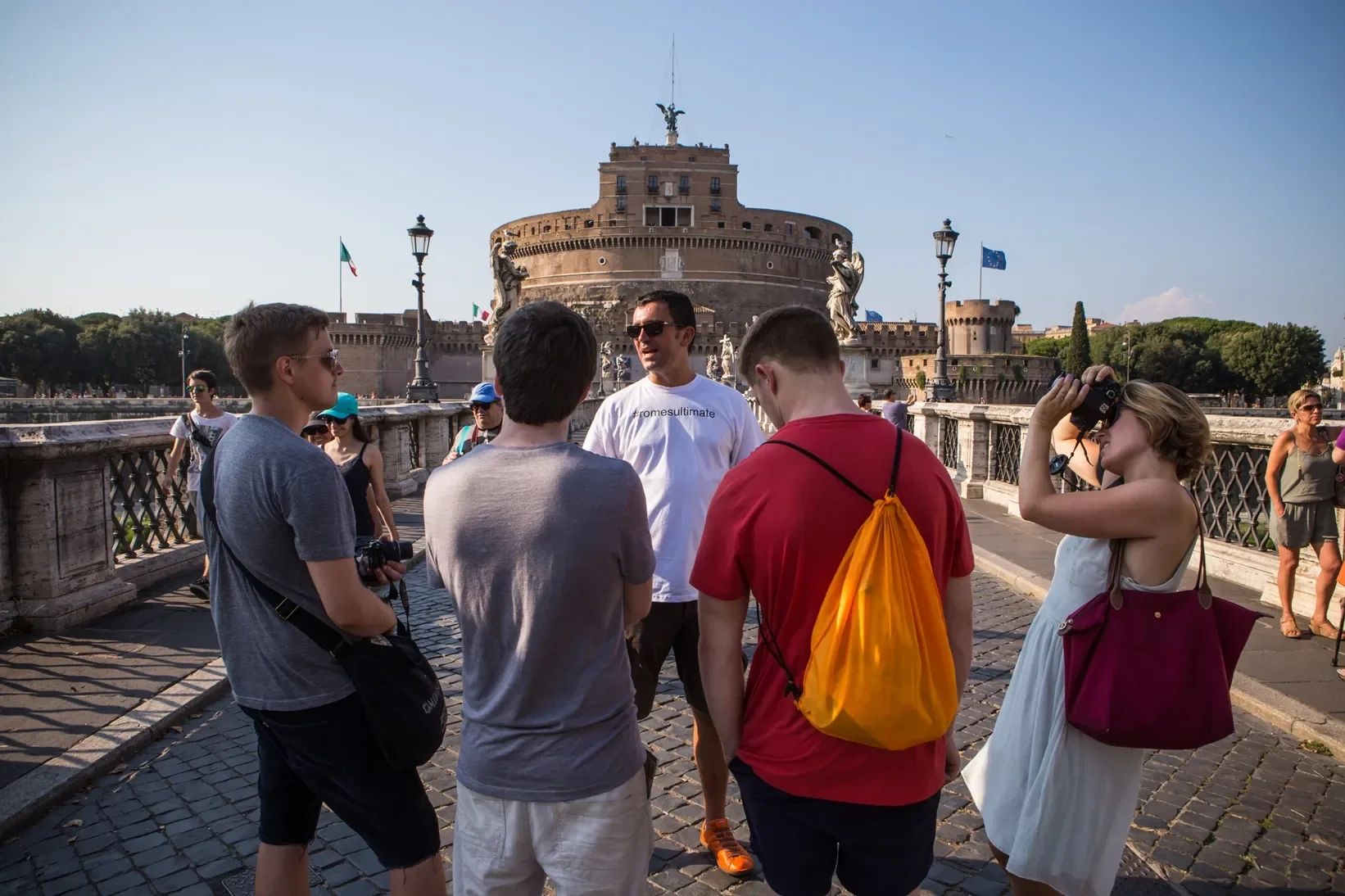
Photo by romesultimate.com
Usually, you should.
The booking rules depend on the tour. New Rome Free Tour currently requires a reservation, and its terms state that reservations are mandatory. It also limits bookings for people travelling together to six participants.
Other platforms allow bookings closer to the starting time when places remain. One current Civitatis tour, for example, accepts bookings up to 6 hours before departure, subject to availability.
Once you have booked, pay attention to the meeting point. In a city as large and busy as Rome, “near the Colosseum” or “at Piazza di Spagna” is not precise enough on its own.
Some operators also ask you to arrive before the scheduled start. New Rome Free Tour, for example, asks participants to be at the meeting point 10 minutes early.
If you are travelling with children or a larger group, check the conditions before booking. Rules can differ significantly between tours.
What Do You Actually See on a Rome Free Walking Tour?
That depends on the route you choose.
A tour focused on Ancient Rome may concentrate on the Imperial Fora, the Colosseum and the archaeological area around them. New Rome Free Tour currently offers a two-hour Ancient Rome route covering the Roman and Imperial Fora, the Colosseum and other nearby sights.
A city-centre route can take a completely different approach, linking places such as the Spanish Steps, Trevi Fountain, Pantheon and Piazza Navona.
This is why comparing tours by title alone can be misleading. Two experiences can both be called “Rome Free Walking Tour” while covering different parts of the city.
Before choosing one, look at the actual itinerary.
Also check whether the sights are visited from the outside. A walking tour can explain the Colosseum, Pantheon or Roman Forum without including admission to the monuments themselves.
For attractions you want to enter, you may need a separate ticket or a separate guided visit.
How Long Is a Free Walking Tour in Rome?
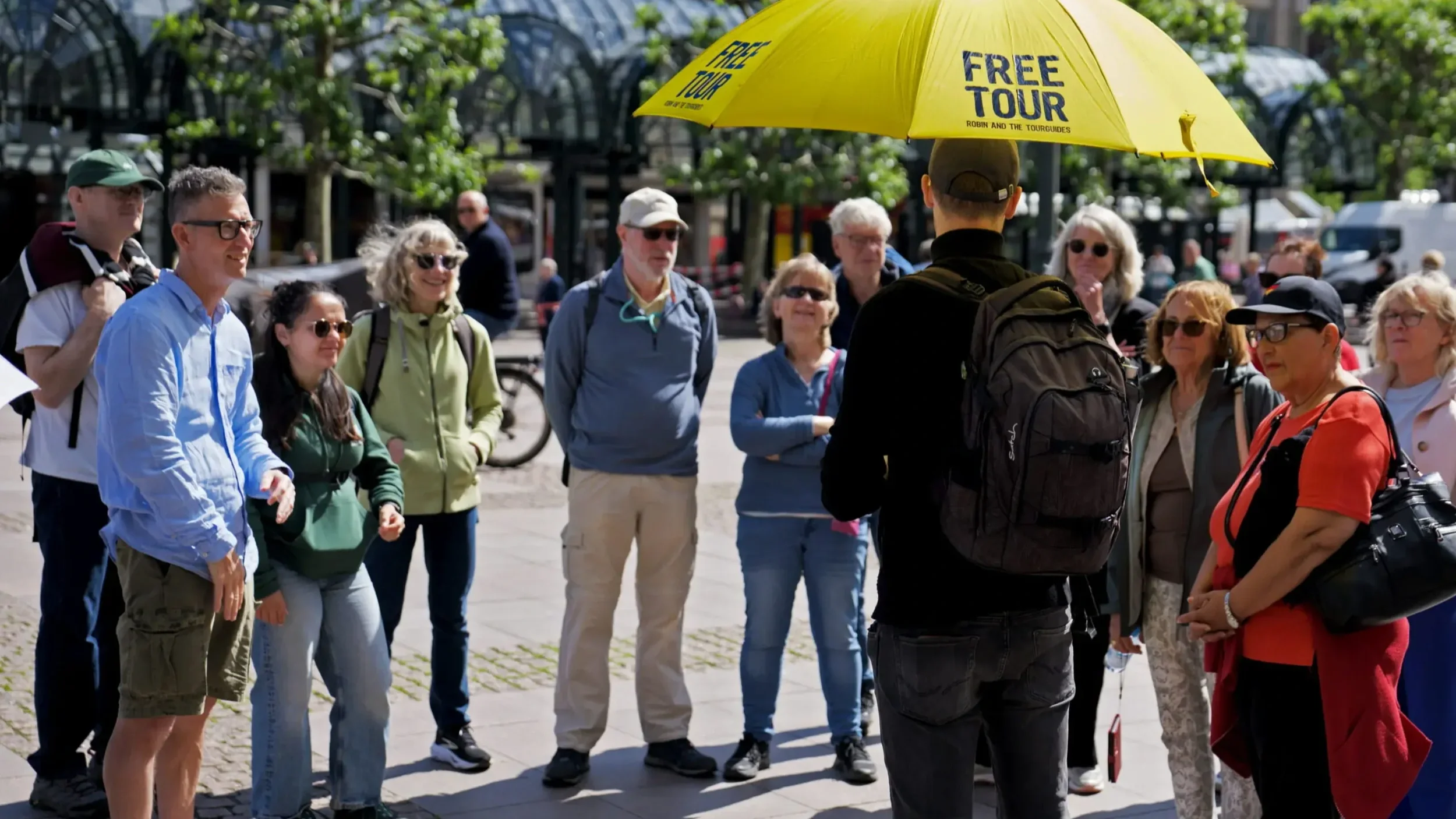
Photo by robinandthetourguides.com
Around two to two and a half hours is common among the current tours checked, although the exact duration varies.
New Rome Free Tour says most of its free tours last up to 2.5 hours. The current Civitatis English-language tour is also listed at 2 hours 30 minutes.
That is long enough to cover a substantial part of central Rome while keeping the itinerary manageable.
It is also worth remembering that a scheduled two-hour tour is two hours of someone else's pace. There may be stops for explanations, questions and group movement that you would not necessarily make on your own.
For some travellers, that is exactly what makes the format useful.
For others, it becomes the main limitation.
The Things to Consider Before Booking
A fixed start time
A free walking tour starts when the tour starts.
If you arrive in Rome after a long train journey, want to have a slow breakfast or suddenly decide to spend another hour inside a museum, the schedule may become inconvenient.
This matters more in Rome than it might seem. Distances between attractions can be deceptive, and getting from one part of the centre to another can take longer than expected.
The group
You are walking with other people, so the pace has to work for the group.
New Rome Free Tour says it aims for an average of 15 people and tries to keep groups below 20. It also has specific limits for people travelling together.
A group can make the tour more sociable and give you someone to ask questions. It can also make spontaneous changes harder.
The route
The guide decides the sequence.
That is useful when you do not want to plan anything yourself, but it means you follow the route even if one particular square, church or street catches your attention.
The best way to avoid disappointment is simple: read the itinerary before booking, especially if there are two or three landmarks you definitely want to see.
The attractions themselves
Most free walking tours are designed around outdoor sightseeing.
That keeps the basic tour inexpensive, but it also means the experience is primarily about the city streets, monuments and explanations along the way.
If your priority is entering the Colosseum, the Vatican Museums or another major attraction, look for a separate visit that includes admission.
What If You Would Rather Walk at Your Own Pace?
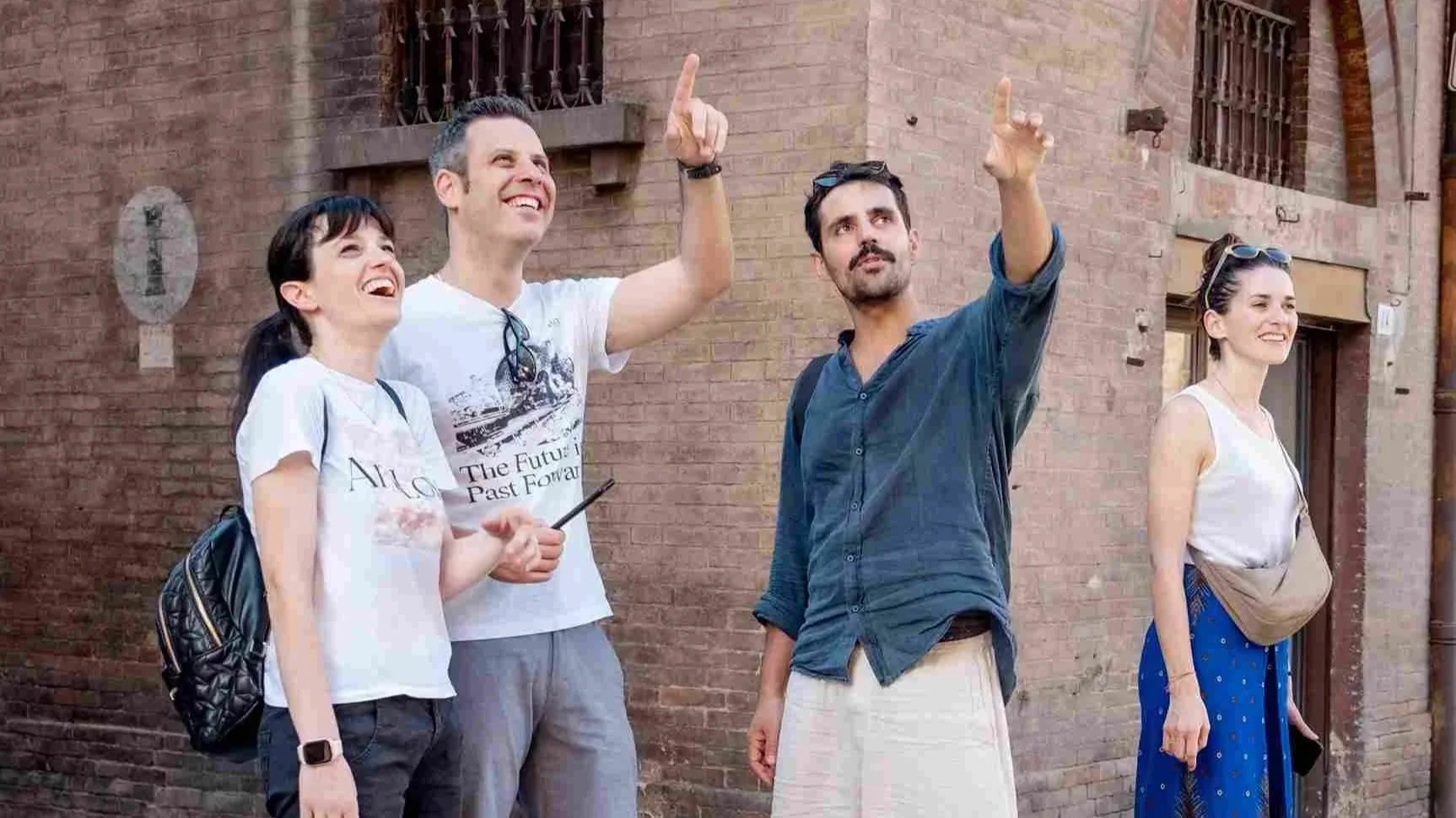
There is another way to structure a walking day in Rome: a self-guided route.
Instead of meeting a guide at a fixed time, you follow a prepared itinerary on your phone and decide when to start, stop, eat, take photos or spend longer somewhere.
The trade-off is obvious. You have to navigate the experience yourself, and there is no person beside you answering questions.
In return, you get much more control over the day.
This format can work particularly well when you already know which parts of Rome you want to see and do not want to organise the route from scratch.
ClueGo Rome: A Self-Guided Alternative
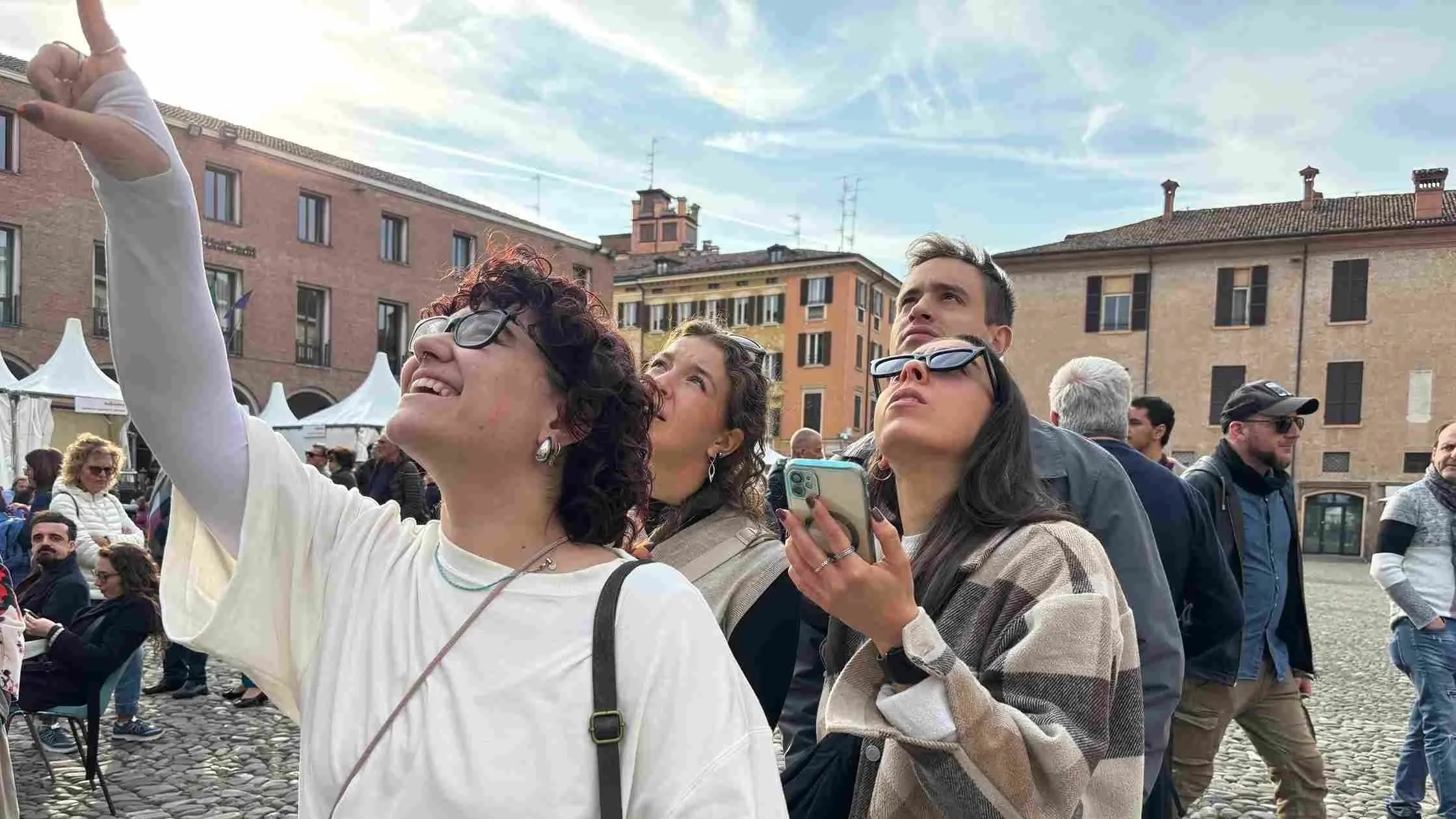
ClueGo Rome takes the self-guided format and turns the walk into a series of clues and puzzles.
The Rome route covers 5 km and 10 stops, starting at Piazza della Bocca della Verità and finishing at the Colosseum. Along the way it includes major places such as Piazza Navona, the Pantheon, Trevi Fountain and the Imperial Forums.
It also reveals hidden gems, secret spots, fun stories, and local eateries that you would most likely miss otherwise.
The route is designed to be played through a smartphone browser, so there is no app to download, no reservation and no fixed starting time. The current Rome trail costs €19.99 per group of 1–5 people and takes around 3–4 hours without breaks.
The difference from a guided tour is mainly what happens during those hours. Instead of listening to a guide explain each stop, you move from clue to clue and pay attention to details around you. Hints and solutions are available if you get stuck, and you can pause the route and continue later.
But Isn't a Free Tour Cheaper?
If you are travelling alone, usually yes.
If you are travelling as a group, the calculation changes.
ClueGo Rome costs €19.99 for up to five people, so that works out at about €10 per person for two people, €5 per person for four, or about €4 per person for five.
The comparison is therefore less about finding the cheapest possible ticket and more about deciding which format fits the way you want to spend your time in Rome.
A free walking tour gives you a guide and a scheduled group experience.
A self-guided route gives you control over when you start, where you pause and how quickly you move.
Neither format is automatically better. They solve different problems.
What You Need for ClueGo Rome
Once you have purchased the route, the code can be redeemed within 6 months. After activation, you have up to 10 days to complete the trail, which gives you room to split the walk if the day does not go according to plan.
The route is outdoors, so you need a smartphone with an internet connection and comfortable shoes. No monument admission is required for the stops included in the trail, although separate tickets are still needed if you decide to enter attractions along the way. Daylight is recommended because some clues depend on details that are harder to see after dark.
Check out ClueGo Rome to find all the information about this self-guided walking tour.
Frequently Asked Questions: Rome Free Walking Tour
-
The answer depends on the operator. Some tours use a tip-based model, while others currently list a small upfront charge. Check the individual tour's pricing before booking.
-
There is no single official amount that applies to every tour. The tip is generally your decision, based on the experience and the model used by the operator.
-
Booking requirements vary. Some operators make reservations mandatory, while others have different booking conditions. Check the specific tour before going to the meeting point.
-
Many of the current tours checked last around 2 to 2.5 hours, although individual routes can be shorter or longer.
-
Usually, the walking tour itself does not include admission to major attractions. Check the itinerary carefully if entering a monument is important to you.
-
It depends on the operator. Age restrictions are not universal, so check the individual tour before booking.
-
A self-guided walking tour is the closest alternative if you still want a planned route but prefer to choose your own starting time and pace.
-
No. ClueGo is a self-guided Web App. There is no guide waiting for you at a meeting point: you follow the route on your smartphone and solve the clues as you walk.