
What to Do in Siena: Main Sights, Experiences and a One-Day Plan
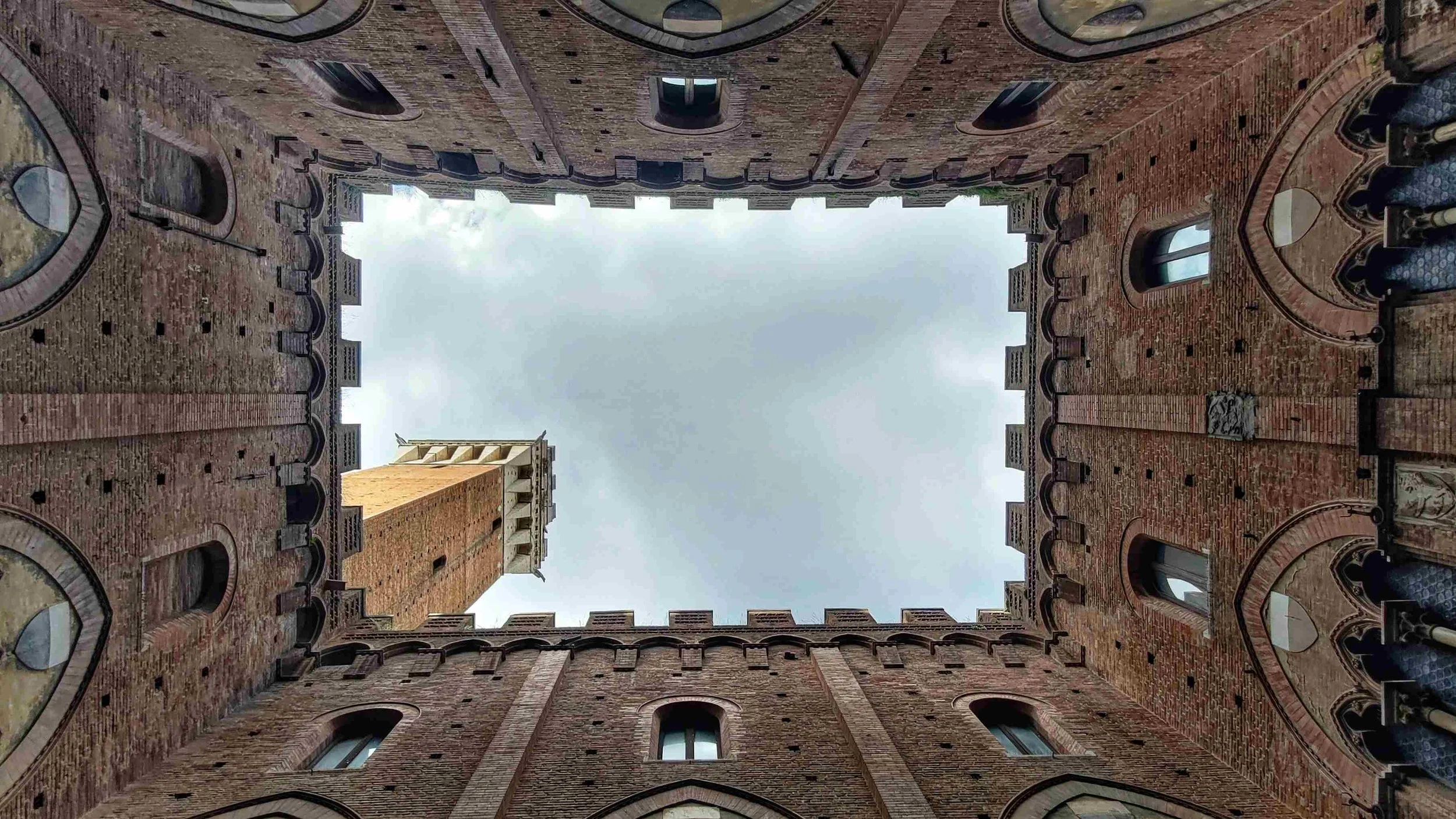
If you are searching for what to do in Siena, there are two parts to the answer. The obvious one is the list of places to see: Piazza del Campo, the Cathedral, Palazzo Pubblico, Torre del Mangia and the medieval streets between them. The other is what you actually do while moving through the city: climb a medieval tower, walk through the Contrade, look for their fountains, learn how the Palio shapes local life and stop for Sienese food.
For a first visit, most of the main sights can be combined in one full day because they are concentrated in and around the historic centre. The day becomes much fuller if you enter several museums or monuments, so choosing one or two substantial interiors leaves room for the city itself.
In this guide
The main sights around Piazza del Campo
Are you a hidden gem hunter?
Taste Sienese food
What to do with more time
Can you see and do Siena in one day?
A ready-made way to explore Siena
FAQ
What to Do and See in Siena: Start with Piazza del Campo
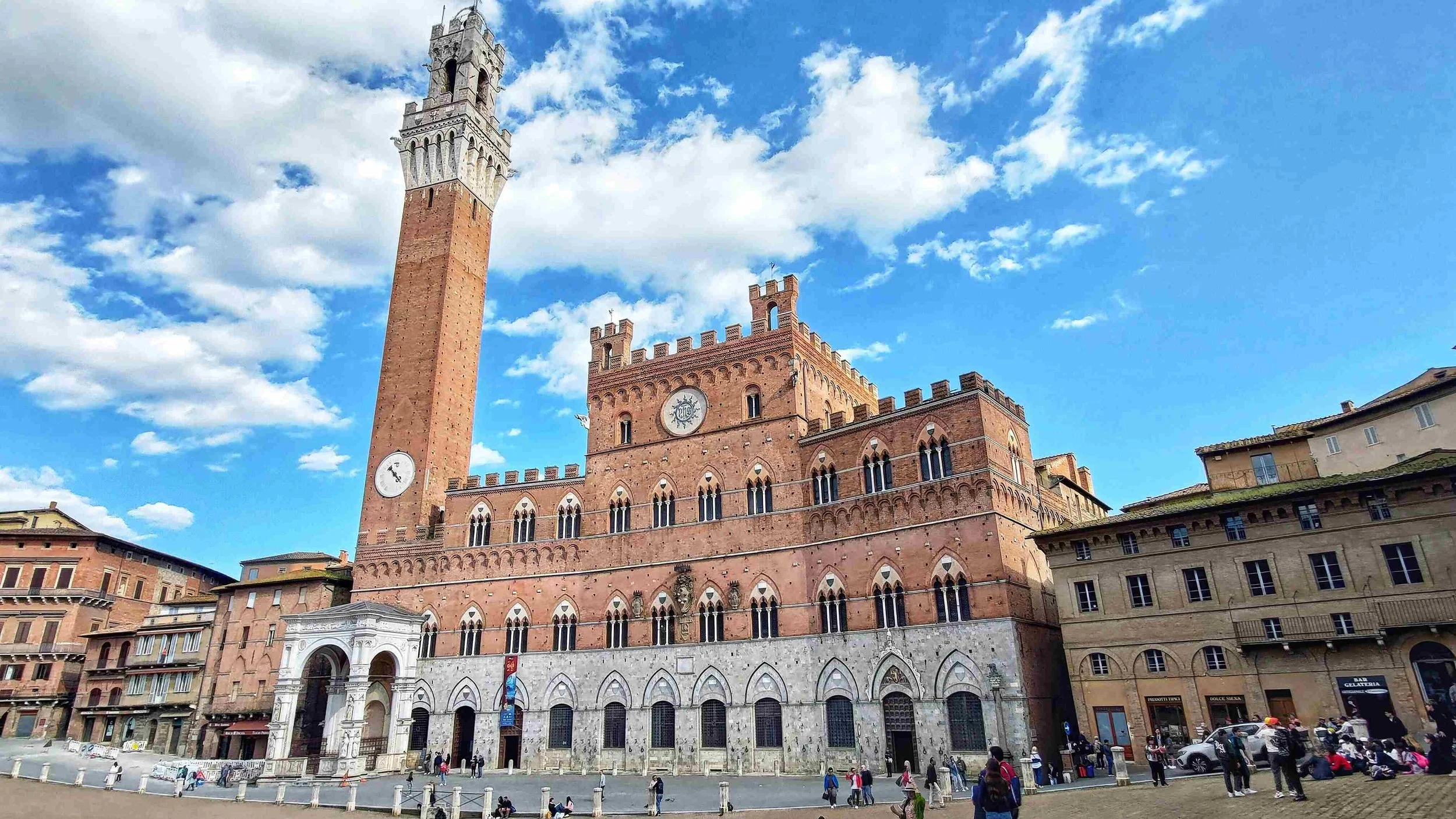
Piazza del Campo is the natural starting point for a visit to Siena. The shell-shaped square sits in the valley between the city's three hills and is dominated by Palazzo Pubblico and Torre del Mangia.
Walk around the entire square before choosing your first visit. Look for Fonte Gaia, the monumental fountain on the upper side of the Campo, and the nine sections of the paving that recall the government of the Nine that ruled Siena during the medieval period.
The Campo is also where the Palio of Siena takes place on 2 July and 16 August. Outside those dates, the square remains the best place to understand the relationship between the city and its Contrade.
From here, there are several ways to spend the next part of your visit. You can go inside Palazzo Pubblico, climb the Torre del Mangia, or head towards the Cathedral. On a one-day visit, the choice depends mainly on how many interiors you want to see.
Climb Torre del Mangia for the View
Seeing Torre del Mangia from Piazza del Campo is easy. Climbing it is a completely different activity.
The tower rises directly from Palazzo Pubblico and requires around 400 steps. There is no lift, and the official information limits the visit to 30 minutes. From the top, the view extends across Siena's historic centre and into the surrounding Tuscan landscape.
The climb takes physical effort, so it is worth deciding before you commit to it. If you want both the tower and the Civic Museum, allow enough time for the two visits rather than treating the tower as a quick stop.
Entry is subject to availability, and the official information warns that tickets can sell out. For a tightly planned day, this is one of the activities where checking availability in advance makes sense.
Are you a hidden gem hunter? Try a ClueGo riddle trail
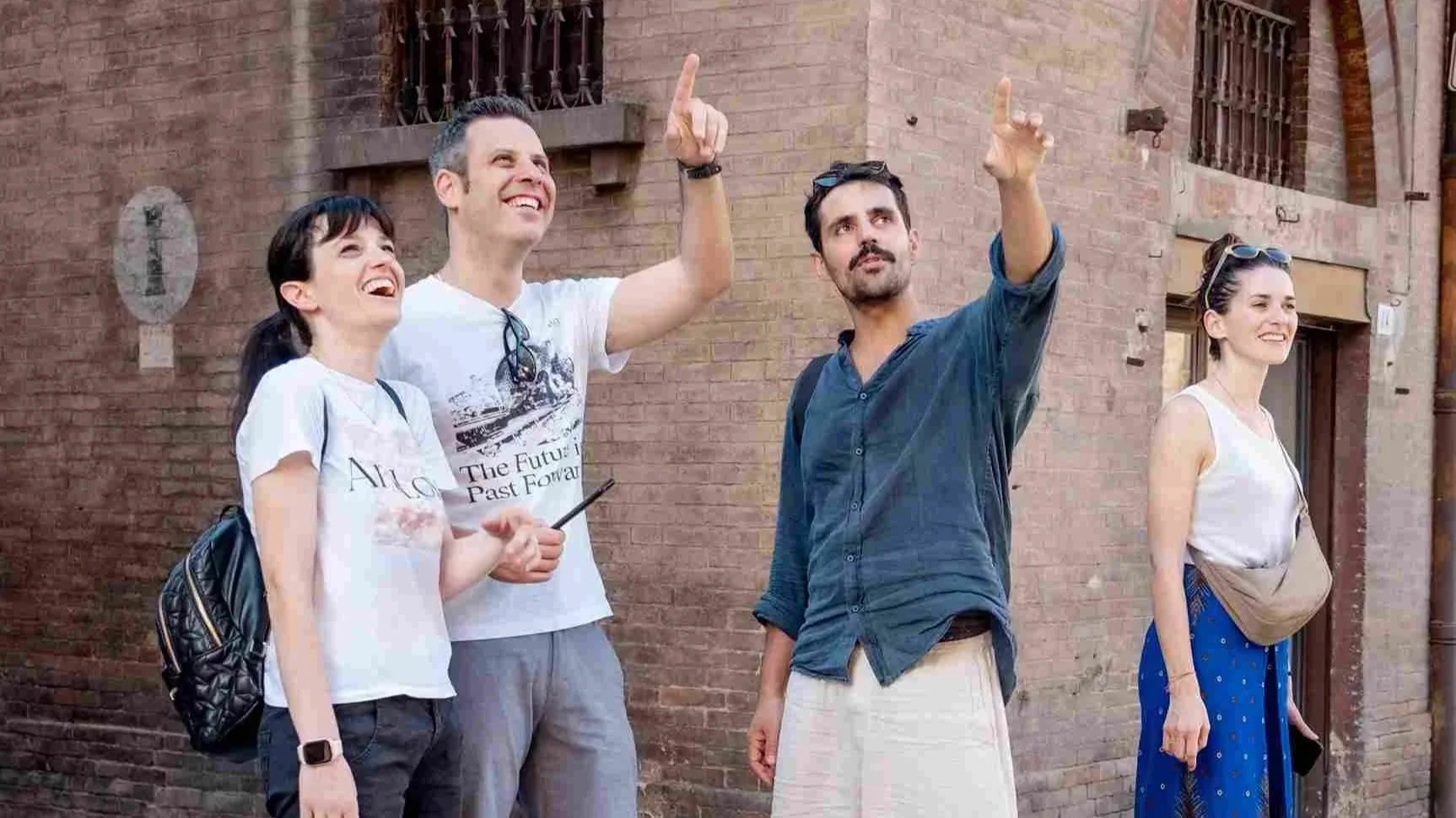
If you want an activity that combines sightseeing with a structured walk, a ready-made route removes the need to choose the stops and connect them yourself.
ClueGo Siena is a self-guided puzzle trail of about 3.5 km and 3–4 hours, with 11 stops between the Basilica of San Francesco and the Fortezza Medicea. The route includes Piazza del Campo, the Duomo and Baptistery, Logge del Papa, Fontebranda and the Sanctuary of Saint Catherine.
It also reveals hidden gems, secret spots, fun stories, and local eateries that you would most likely miss otherwise, like the world's smallest window, an underground baptistery and a “magical” brain teaser.
The best part? You don’t have to keep dozens of tabs open on your smartphone nor figure out how to structure your visit because ClueGo literally guides you stop after stop.
The route requires no app download, no reservation and no fixed starting time. It is designed for 1–5 people and uses puzzles, clues and hints to turn the walk into an activity. Monument and museum entrance tickets are separate.
Because the route already connects many of the central sights, it can also be combined with one or two paid visits along the way.
Explore the ClueGo Siena trail
Visit Siena Cathedral and Its Extraordinary Interiors
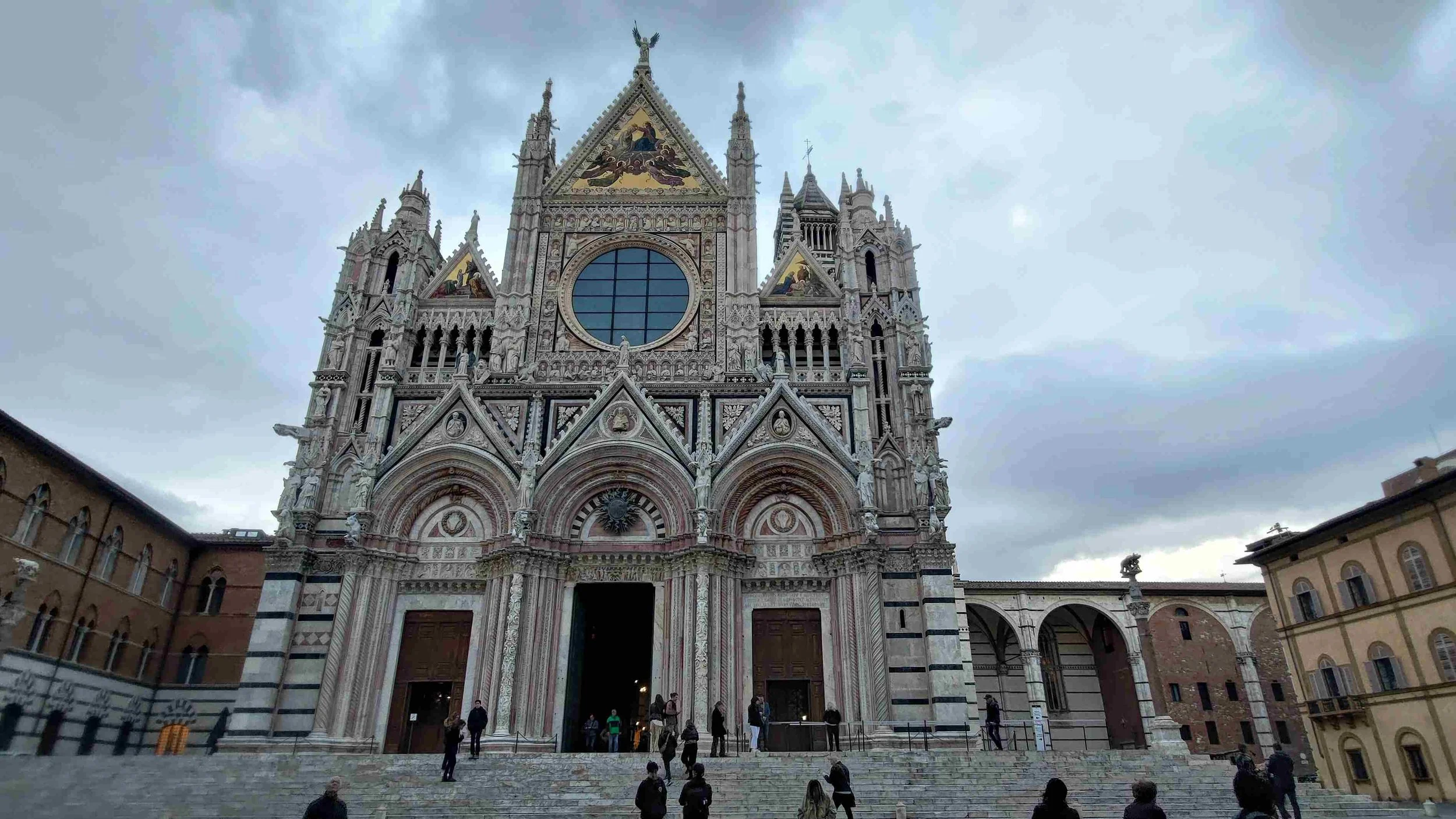
Siena Cathedral is one of the city's essential sights, and the interior deserves as much attention as the striped marble façade.
The Cathedral contains an extensive marble pavement decorated with figurative scenes and symbols created over several centuries. Inside the complex you will also find the Piccolomini Library, decorated with Pinturicchio's frescoes depicting episodes from the life of Pope Pius II.
The wider Duomo complex includes several other spaces, including the Museo dell'Opera, Baptistery and Crypt. Visiting all of them turns the Cathedral into a substantial part of the day.
There is an additional reason to check the dates if you are visiting Siena in 2026. The Cathedral floor is exceptionally uncovered from 27 June to 31 July and from 18 August to 15 November 2026.
For travellers with one day, the Cathedral is one of the strongest places to devote serious indoor time to.
Walk Through the Contrade and Find Their Fountains
One of the most useful things to do in Siena is to stop treating the streets between the monuments as empty space.
Siena is divided into 17 Contrade, historic neighbourhood communities with their own symbols, colours, traditions and institutions. Their territories occupy the medieval city and are still visible in small details throughout the streets.
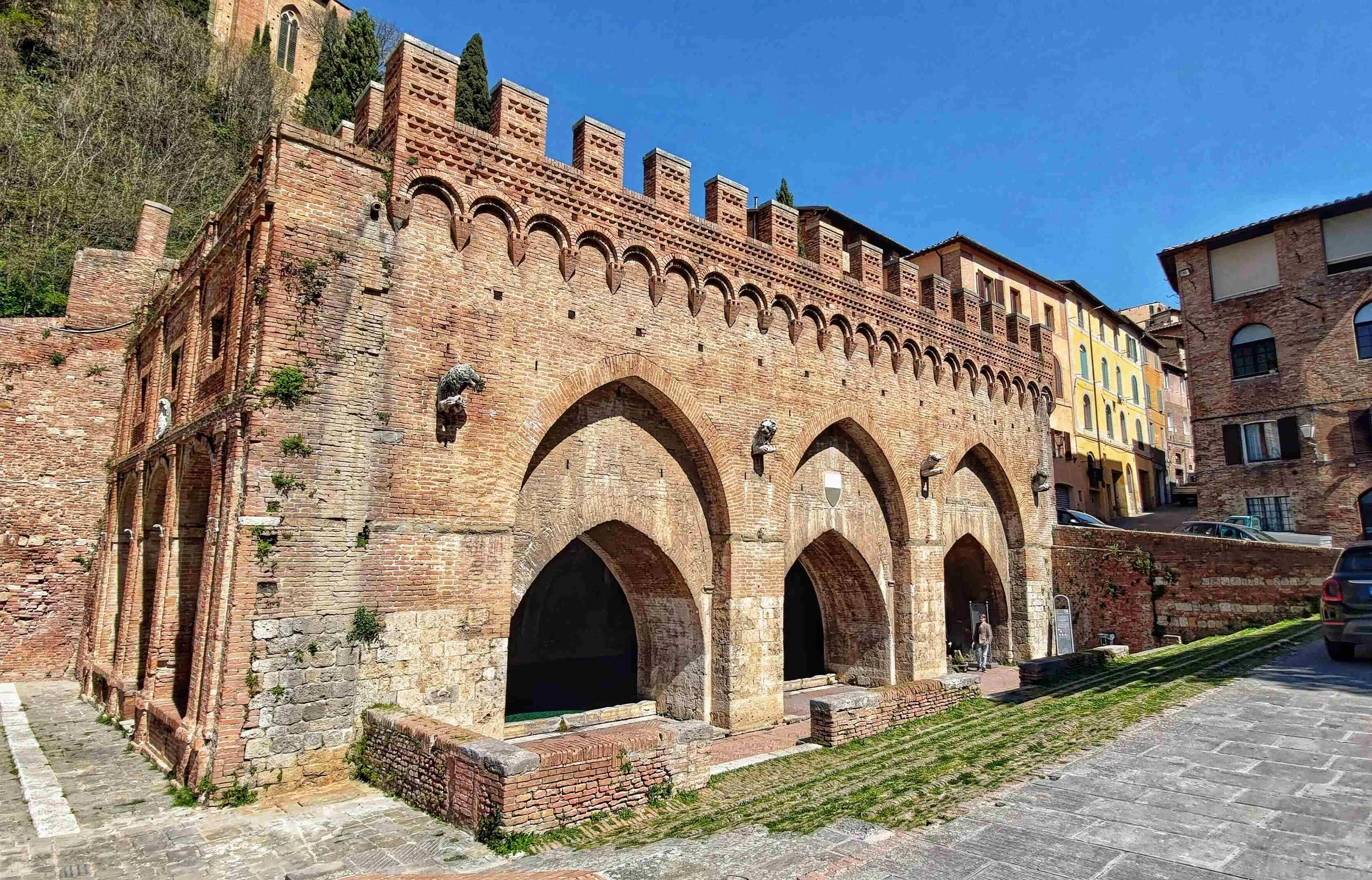
One simple activity is to look for the Contrada fountains. Each Contrada has its own fountain bearing its symbol, and the fountains are part of the traditions surrounding membership and baptism within the Contrada.
Fontebranda, associated with the Contrada dell'Oca, is one of the most important examples. It is also connected with Saint Catherine, who was born in the area.
This gives you a practical way to turn a walk between attractions into something more specific: choose a few Contrade, look for their symbols and fountains, and notice how the neighbourhood identity changes from one area to another.
Santa Maria della Scala: Siena's Former Hospital
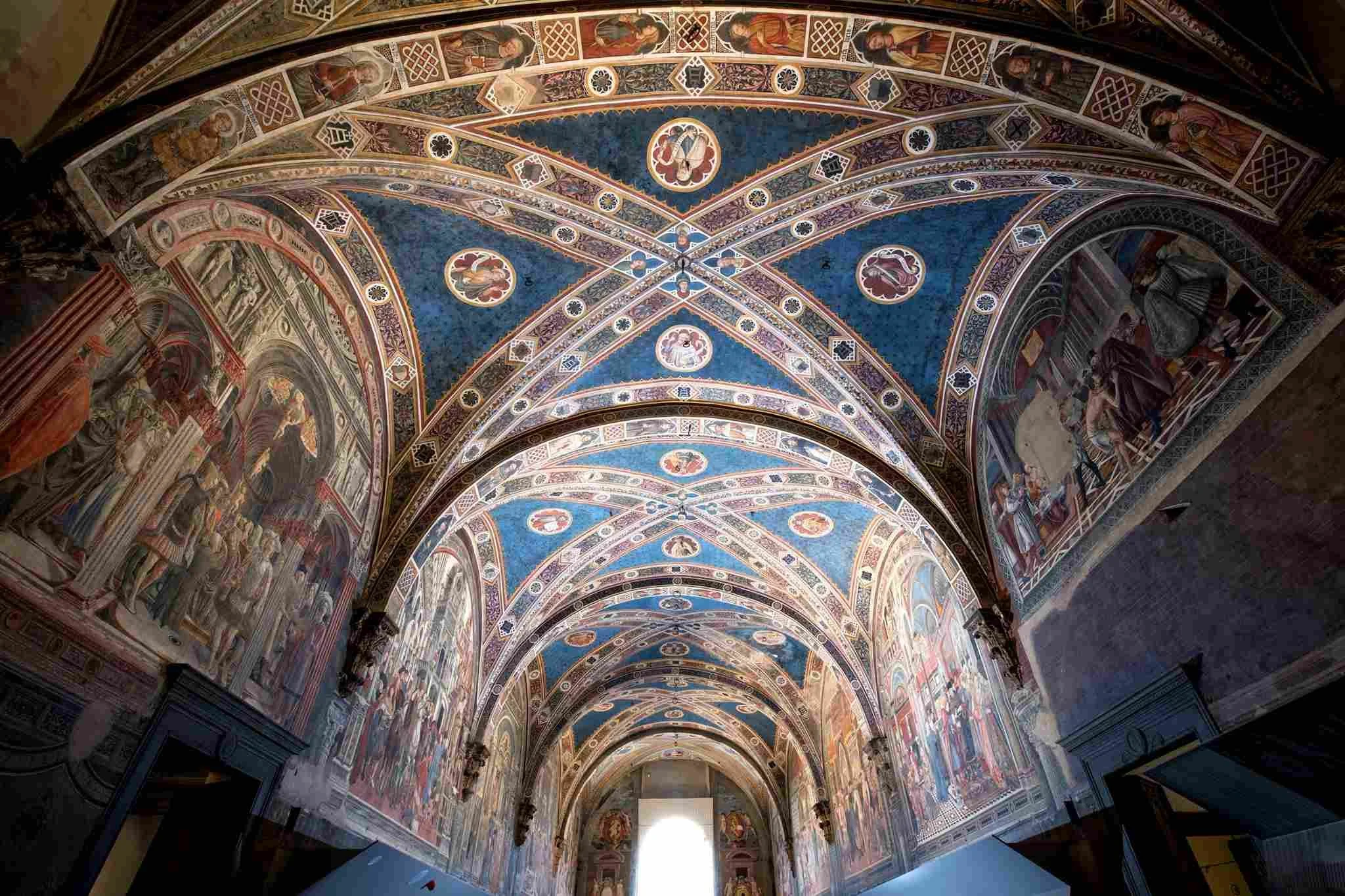
Photo by visitsiena.it
Opposite the Cathedral, Santa Maria della Scala occupies a huge former hospital complex that played a central role in Siena for centuries.
The complex developed over a long period and includes former pilgrim spaces, chapels and exhibition areas. One of its best-known rooms is the Pellegrinaio, created in 1328 and later decorated with frescoes.
This is an activity that requires a decision about time. Santa Maria della Scala contains enough material to become a substantial museum visit, so combining it with the Civic Museum, Torre del Mangia and the complete Cathedral complex in one day would make the schedule very dense.
If you enjoy museums, it is one of the places to prioritise. If your aim is to spend more time outdoors and walking through Siena, seeing the building and moving on may make more sense during a short visit.
Walk to San Domenico and Follow Saint Catherine's Story
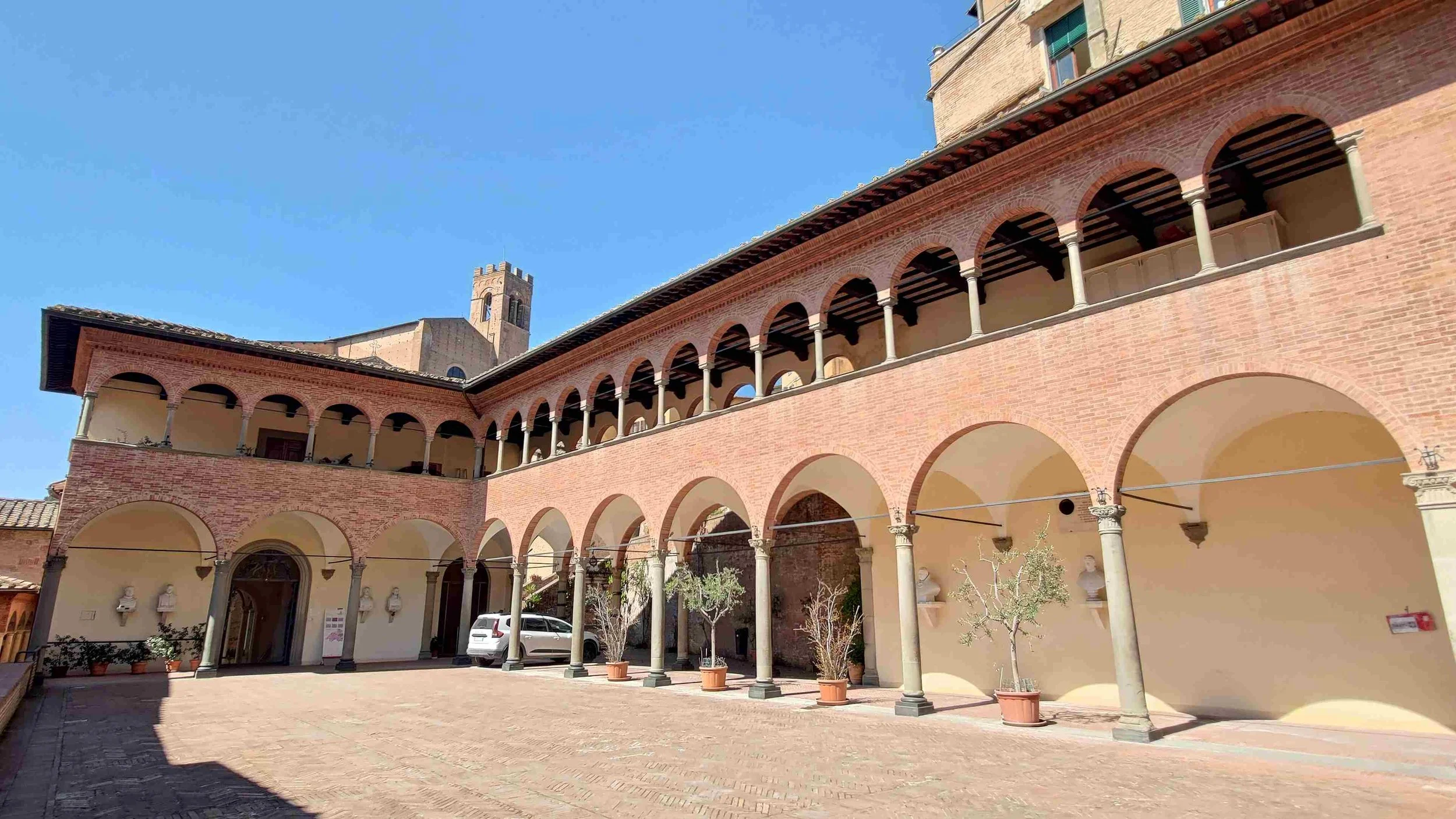
From the Cathedral area, continue through the medieval streets towards Basilica of San Domenico.
The church is closely connected with Saint Catherine of Siena, who was born in the city in 1347. Nearby, the Santuario di Santa Caterina occupies the building complex associated with her family home, while Fontebranda is another important place in her story.
The activity here is the walk itself. Siena's three hills mean that the route changes level as you move between neighbourhoods, and the streets around San Domenico give a different sense of the city's geography from the flatter spaces around the Campo.
If you have enough time, continue towards the Fortezza Medicea, where the historic centre opens into a different type of urban space. It is further from the main Campo-Duomo cluster, so it works best as the final part of a longer walk.
Taste Siena: Pici, Panforte and Ricciarelli
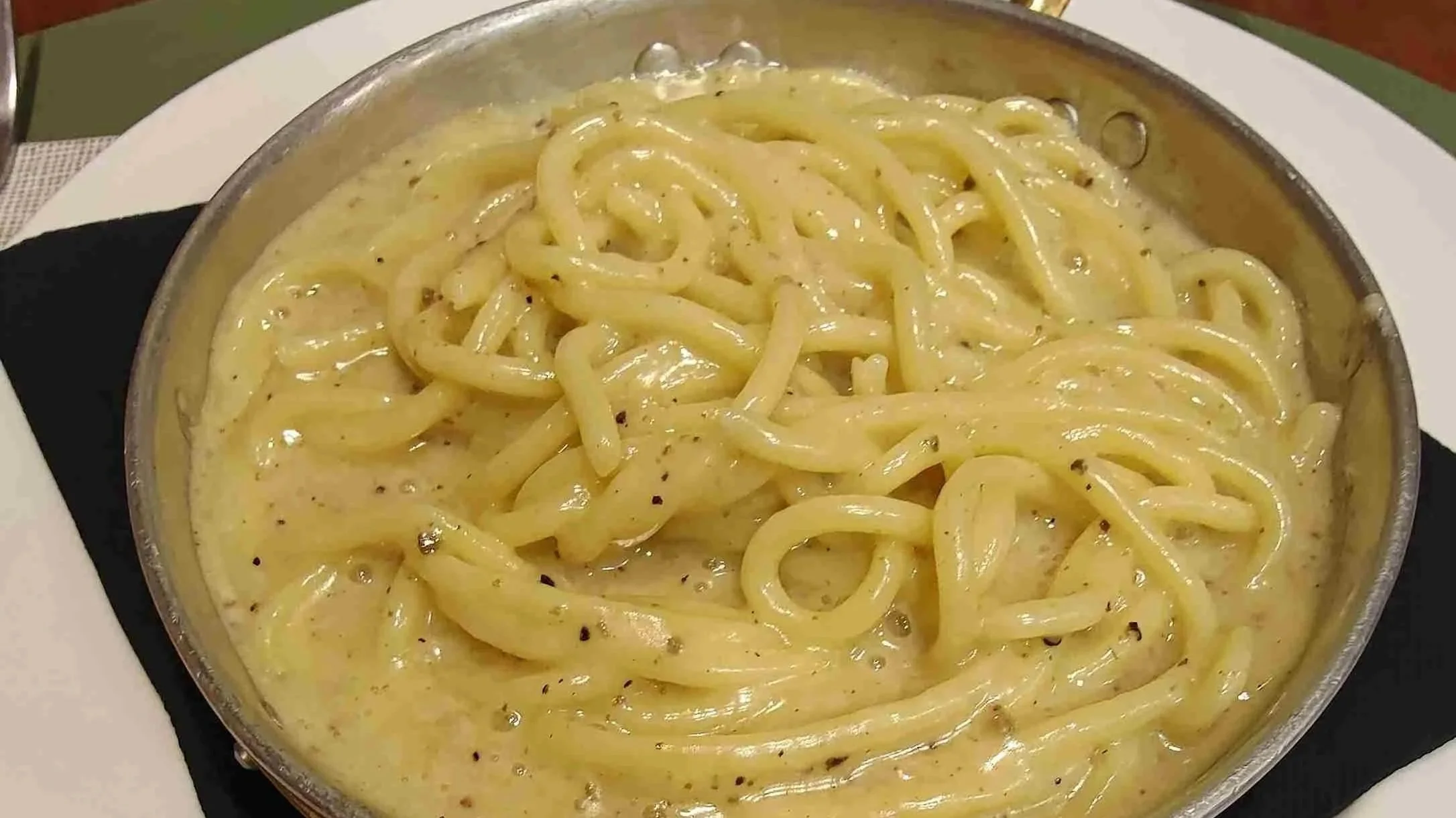
Food is another straightforward answer to what to do in Siena, especially because several local products are closely associated with the city.
For a savoury meal, try pici, thick hand-made pasta that appears in several Sienese preparations. Other local dishes and products include ribollita and Cinta Senese.
For something sweet, look for panforte and ricciarelli. The latter are almond-based biscuits associated specifically with Siena, while panforte is a dense sweet containing fruit, nuts and spices.
You do not need to organise a separate food tour to include this part of the city. A lunch or afternoon stop can be used to try a local dish, while bakeries and pastry shops around the historic centre make it easy to add a Sienese sweet to a walking day.
Wine is another possibility. The official tourism service promotes wine experiences and tastings in the wider Sienese territory, so this makes more sense as a dedicated activity or an addition to a longer stay than something to squeeze between the Cathedral and Palazzo Pubblico.
See Siena After Sunset
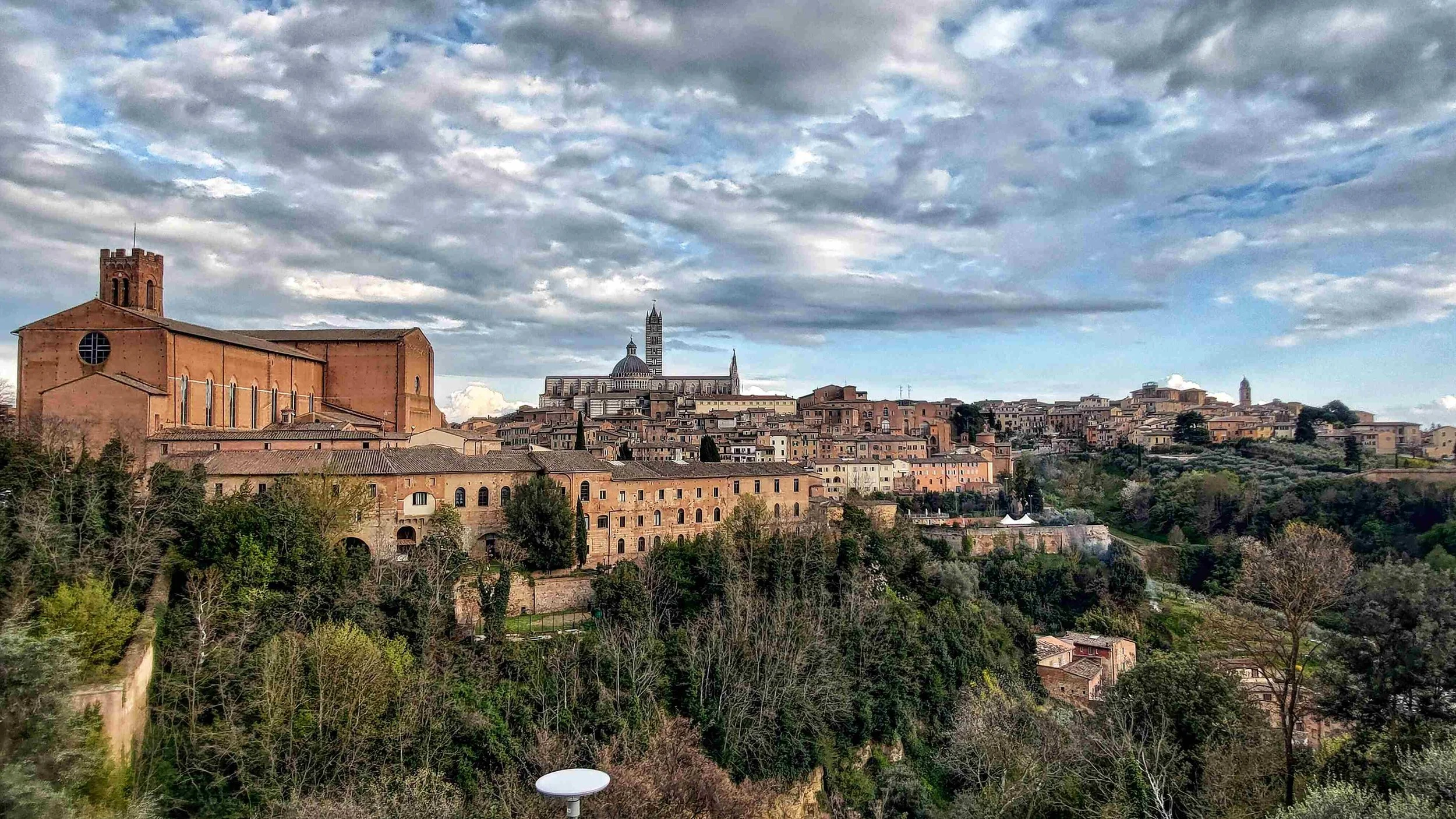
Siena changes considerably once the main sightseeing traffic decreases.
Walking the Corso and the central streets after sunset is one of the simpler things to do if your visit extends into the evening. The route can be combined with dinner without adding another major attraction to the day's schedule.
This is also a useful moment to return to Piazza del Campo. During daylight, the square functions as the centre of the sightseeing route; in the evening, it becomes a place to sit, eat or simply walk through after the museums and churches have closed.
Can You See and Do Siena in One Day?
One full day is enough for the main sights and several experiences, provided you do not try to visit every museum.
A practical route is:
Piazza del Campo → Palazzo Pubblico or Torre del Mangia → Cathedral → Santa Maria della Scala → walk through the Contrade → Fontebranda → Santuario di Santa Caterina → San Domenico
Within that route, there is room for actual activities rather than simply moving from one monument to the next. Climb the tower, spend time looking for Contrada symbols and fountains, stop for pici or a Sienese sweet, and walk through the streets between the major sights.
The main trade-off is between depth and variety. A day containing the Civic Museum, Torre del Mangia, full Cathedral complex and Santa Maria della Scala leaves little room for exploring the Contrade or stopping for food.
For a first visit, choosing two substantial indoor visits and leaving the rest of the day for walking gives a better balance.
Siena is also hilly. Comfortable shoes matter, particularly if the route extends from the Campo towards San Domenico and the Fortezza.
If you are arriving by car, plan parking before entering the centre. The historic core has restricted traffic areas, and the municipal information directs visitors towards car parks outside the central zone.
What to Do in Siena If You Have More Time
A second day becomes useful when you want to turn the visit from a sightseeing day into a deeper exploration of Sienese culture.
The strongest additions are:
Visit a Contrada museum to see Palio banners, costumes, flags and religious objects connected with one of Siena's neighbourhoods.
Explore the Bottini and the city's water heritage through the Museo dell'Acqua and related visits when they are operating. The museum explains the underground water system through multimedia installations and includes the Fonti di Pescaia and the related Bottino. The Comune currently reports a temporary closure for maintenance, so check its status before planning this activity.
Spend longer at Santa Maria della Scala rather than treating it as a short museum stop.
Visit the Museo Civico and concentrate on the major fresco cycles inside Palazzo Pubblico.
Complete more of the Duomo complex, including the Opera Museum, Baptistery and Crypt.
Build a food-focused visit around pici, Sienese sweets and local wine.
Walk further through the Contrade, using their fountains, symbols and neighbourhood streets as the theme of the route.
The Bottini are particularly interesting because they reveal a part of Siena that cannot be understood simply by looking at its medieval buildings. The city's historic water system runs beneath the streets, connecting fountains and neighbourhoods.
Frequently Asked Questions: What to do and see in Siena
-
The main choices include walking through the medieval centre (following a self-guided riddle trail like ClueGo Siena makes it even more immersive), climbing Torre del Mangia, visiting the Cathedral, exploring the Contrade, learning about the Palio, trying Sienese food and visiting a Contrada museum if one is open during your stay.
-
The essential sights are Piazza del Campo, Palazzo Pubblico, Torre del Mangia, Siena Cathedral, Santa Maria della Scala, the medieval streets, Fontebranda, San Domenico and the places connected with Saint Catherine.
-
One full day is enough for the main sights and several activities, particularly if you choose your museum visits selectively. A second day becomes useful for deeper museum visits, Contrada museums, the Bottini and longer food or wine experiences.
-
Walk through the Contrade, look for their fountains and symbols, visit a Contrada museum, climb Torre del Mangia, try local food, spend the evening around the Campo and, when available, explore Siena's underground water heritage through the Bottini.
-
The historic centre is compact enough to explore on foot, but Siena is built across three hills, so the route includes slopes and changes in level. The walk from the Campo towards San Domenico and the Fortezza involves more elevation changes than staying around the central Campo-Duomo area.
-
Of course you can! If you prefer to explore by yourself instead of following a group or having fixed schedules, the self-guided riddle trail by ClueGo allows you to start and finish whenever you want as well as discovering tons of hidden gems and fun stories you would otherwise miss.