
What to Do in Turin: Main sights and what to Do in One Day
If you are planning what to do in Turin, start with the centre. Piazza Castello, the Royal Museums, the Cathedral, Piazza Carignano and Piazza San Carlo form a compact sightseeing area, with the Mole Antonelliana and Piazza Vittorio Veneto extending the walk towards the Po. You can cover the main historic sights in one day, but a museum-heavy visit changes the pace considerably.
Turin also deserves time outside its monuments. Historic cafés, chocolate, Vermouth, markets, arcades, parks and neighbourhoods are all part of what there is to do in Turin, Italy. The useful distinction is between seeing the city's main landmarks and spending enough time inside them to explore their collections properly.
In this guide
The main sights in Turin's historic centre
Things to do beyond the monuments
How to see Turin in one day
What to add if you have more time
ClueGo Turin: a ready-made walking route
Frequently asked questions
What to See in Turin: The Historic Centre
Piazza Castello: the starting point for Turin's royal centre
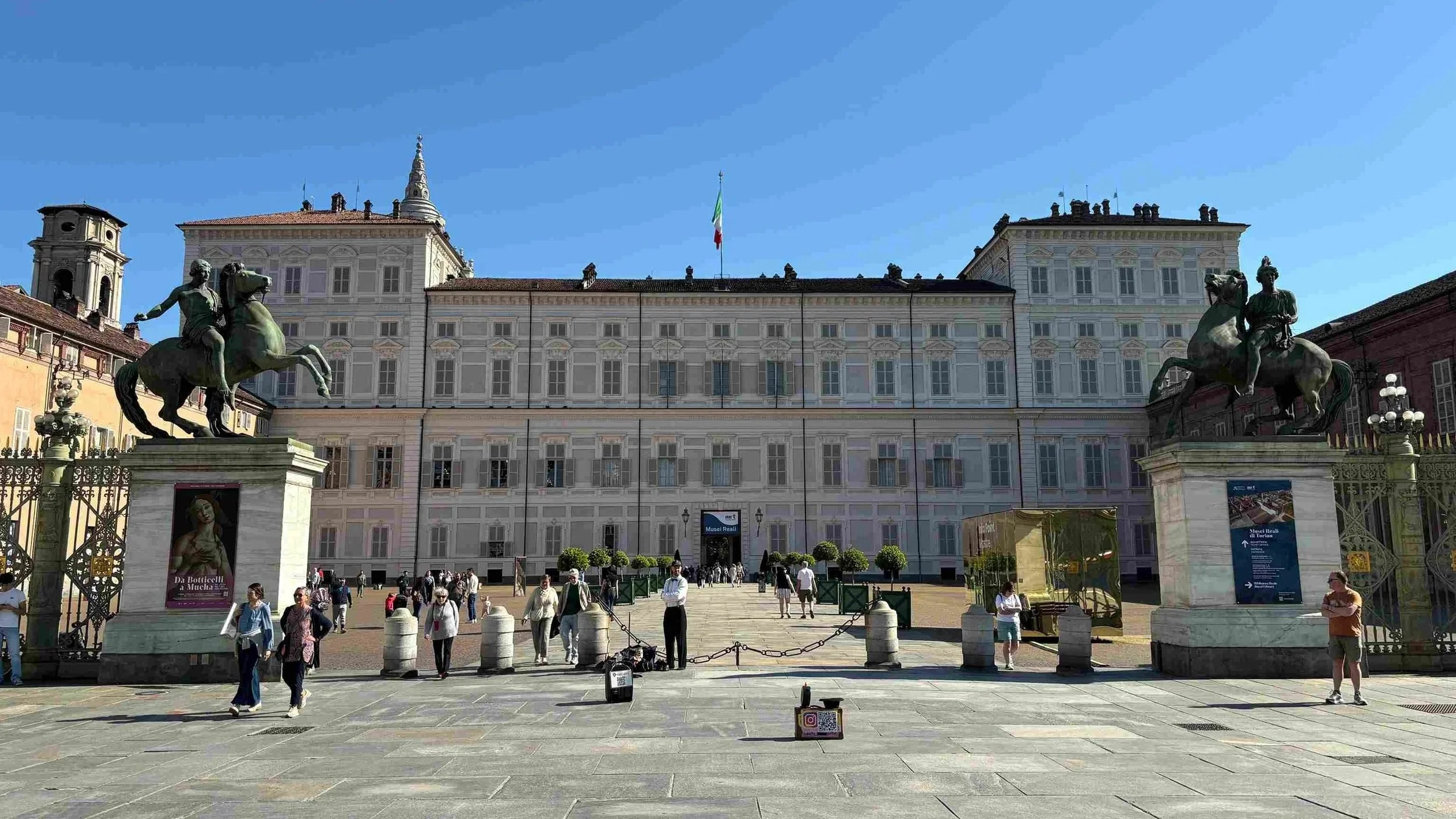
Piazza Castello is the natural starting point for a first visit. Palazzo Reale, Palazzo Madama, the Royal Museums and Teatro Regio are all concentrated around the square, so several major sights can be combined before you move towards the Po.
The Royal Museums bring together the Royal Palace, Royal Gardens, Royal Library, Armoury and the Galleria Sabauda. The complex is substantial, so decide in advance whether you want a broad visit or intend to spend several hours inside. The official museum currently lists opening from Thursday to Tuesday, with Wednesday closed.
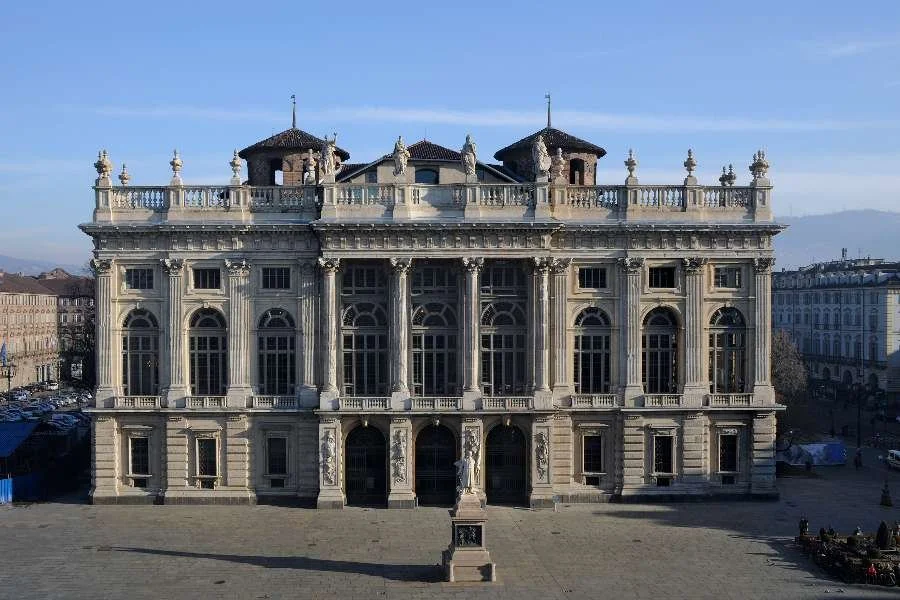
Palazzo Madama stands in the middle of the square and contains layers of Turin's history in a single building: Roman foundations, medieval towers and the Baroque façade and staircase designed by Filippo Juvarra. It has housed the Civic Museum of Ancient Art since 1934.
Turin Cathedral and the Chapel of the Holy Shroud
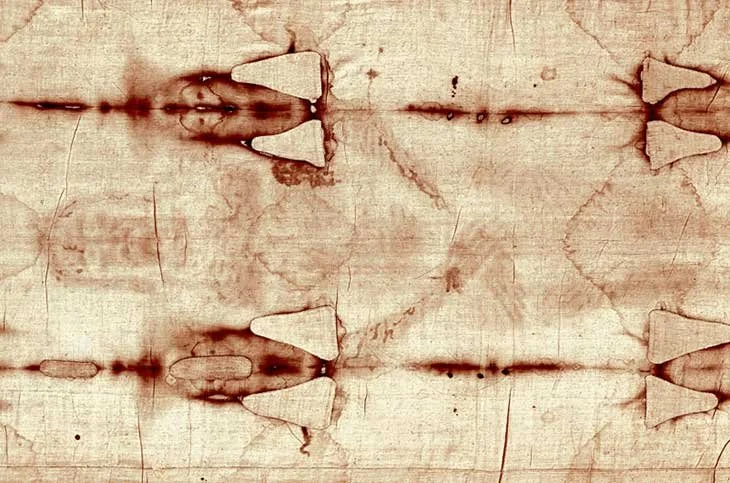
Walk towards the Cathedral from Piazza Castello to reach the religious heart of the historic centre. The Chapel of the Holy Shroud is attached to the Cathedral and was designed by Guarino Guarini between 1667 and 1690. The Shroud itself is preserved in the Cathedral's transept and is not normally on public display.
The chapel reopened in 2018 after restoration following the 1997 fire. If you want to include the Royal Museums and the Cathedral interiors in the same morning, check the current access arrangements before setting off.
Museo Egizio: the museum that changes the pace of a one-day visit
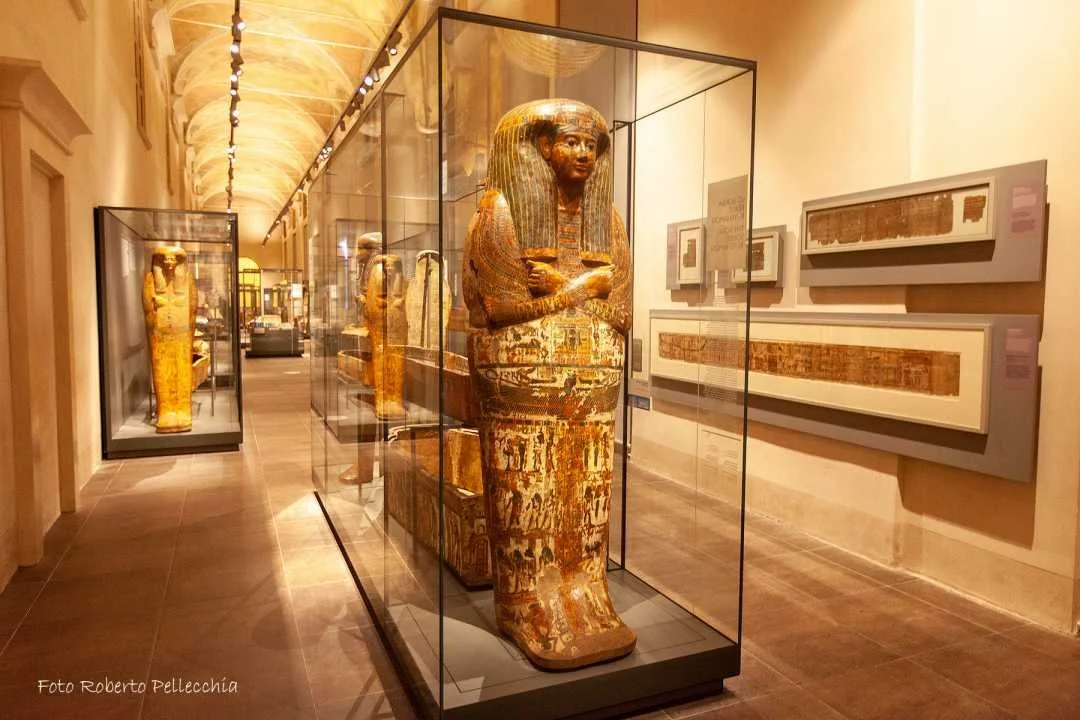
Photo by rosmarinonews.it
The Museo Egizio is one of Turin's strongest reasons to allow extra time. Founded in 1824, it is dedicated entirely to Egyptian archaeology and holds one of the world's major collections of Egyptian antiquities.
The museum currently sells tickets online only. Its 2026 opening hours are 9:00–14:00 on Mondays, 9:00–18:30 Tuesday to Friday and Sunday, and 9:00–20:00 on Saturdays, with last admission one hour before closing.
If the Egyptian Museum is high on your list, build the rest of the day around it. Trying to combine a long museum visit with every other major interior in the centre will leave little time for Turin's streets, cafés and squares.
Piazza San Carlo and the arcades of the centre
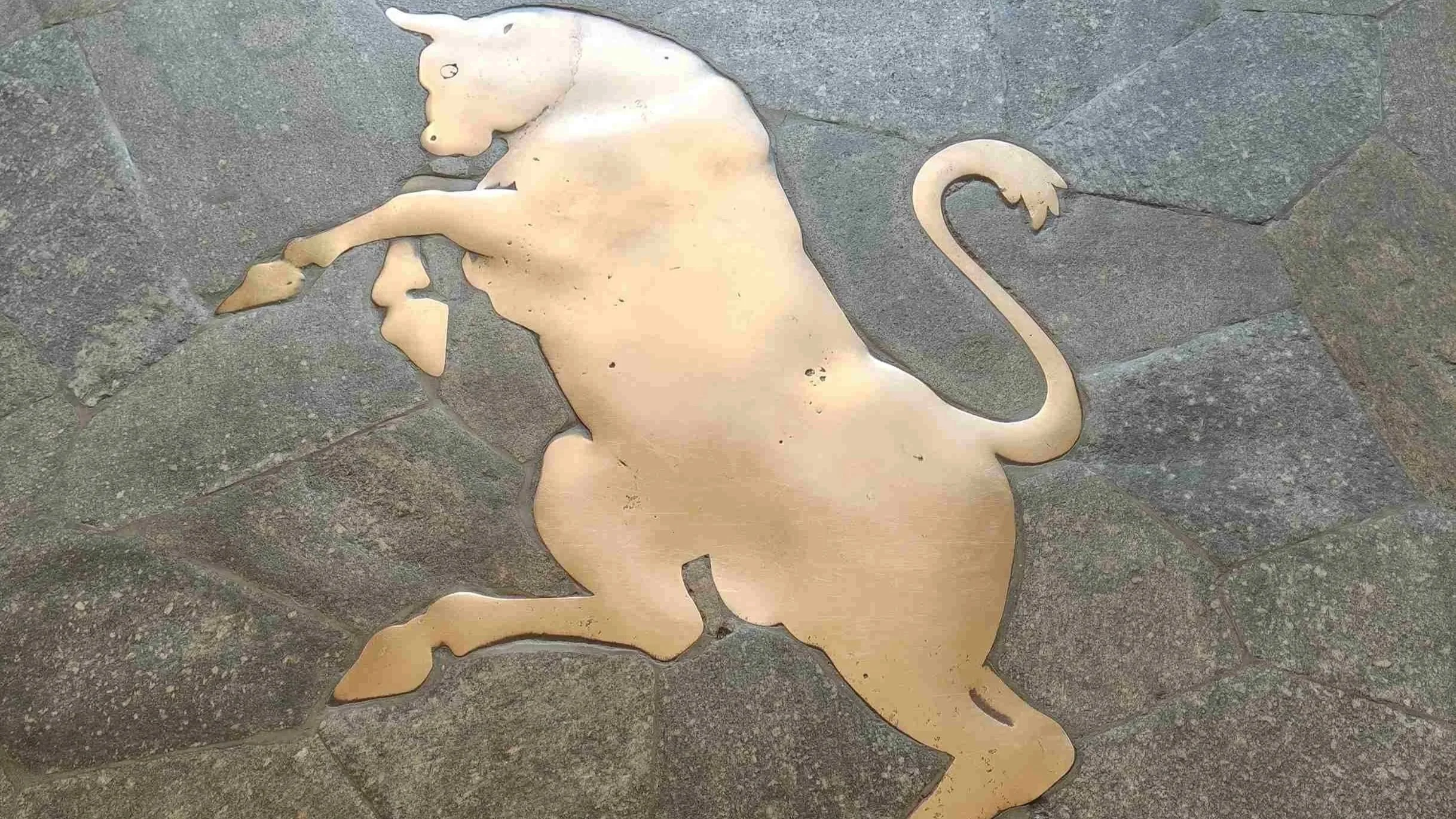
From the Egyptian Museum, continue towards Piazza San Carlo, one of Turin's best-known squares. Its arcades lead naturally towards Via Roma and the shopping streets, while historic cafés provide one of the city's most characteristic places to stop.
Turin's arcaded streets extend for around 18 kilometres, and several historic galleries connect the central squares. Galleria Subalpina links Piazza Castello with Piazza Carlo Alberto; Galleria San Federico connects Piazza San Carlo with Via Roma.
This is where sightseeing and simply walking through the city start to overlap. Follow Via Po towards the river rather than treating each square as an isolated stop.
Mole Antonelliana and the National Cinema Museum
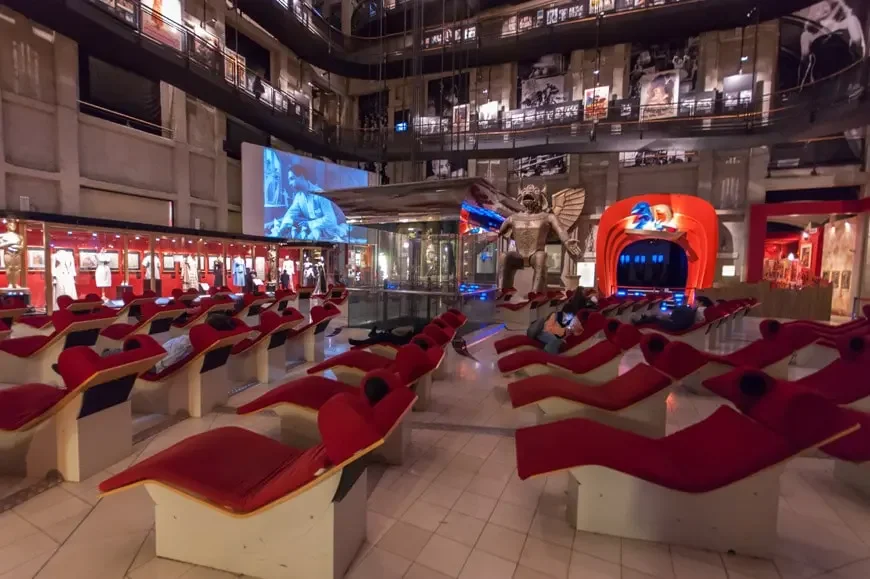
Photo by inexhibit.com
The Mole Antonelliana is Turin's most recognisable landmark. Inside it, the National Cinema Museum uses the building itself as part of the visit, with exhibitions covering the history of cinema, special effects, projections and more recent technologies.
The museum is currently open from 9:00 to 19:00 except Tuesdays. The panoramic lift provides access towards the top of the Mole, while a separate route through the interior of the dome reaches the terrace.
The practical question is whether you want to visit the museum or simply see the Mole from outside. The first can occupy a substantial part of the day; the second fits naturally into a walk from Piazza Castello through Via Po to Piazza Vittorio Veneto.
Piazza Vittorio Veneto and the Po River
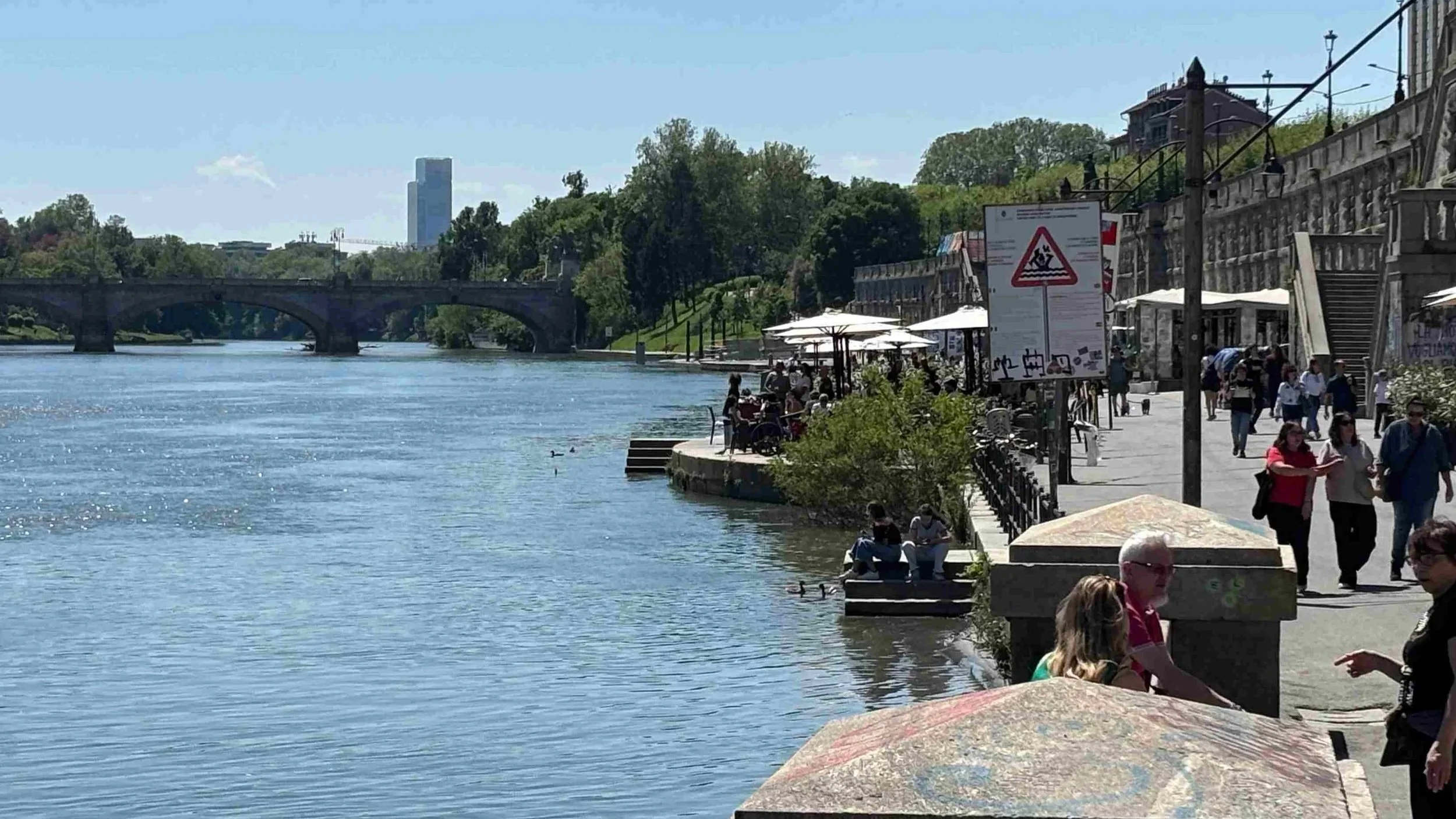
Continue downhill along Via Po to reach Piazza Vittorio Veneto, one of Turin's largest squares. The Po is immediately beyond it, with the Gran Madre church and the Turin hills visible across the river.
From here, you have several ways to extend the visit. Walk along the river towards Valentino Park, cross towards the Gran Madre and Monte dei Cappuccini, or stop for an aperitivo around the square before continuing into the evening.
What to Do in Turin Beyond the Main Sights
Start the day with a historic café
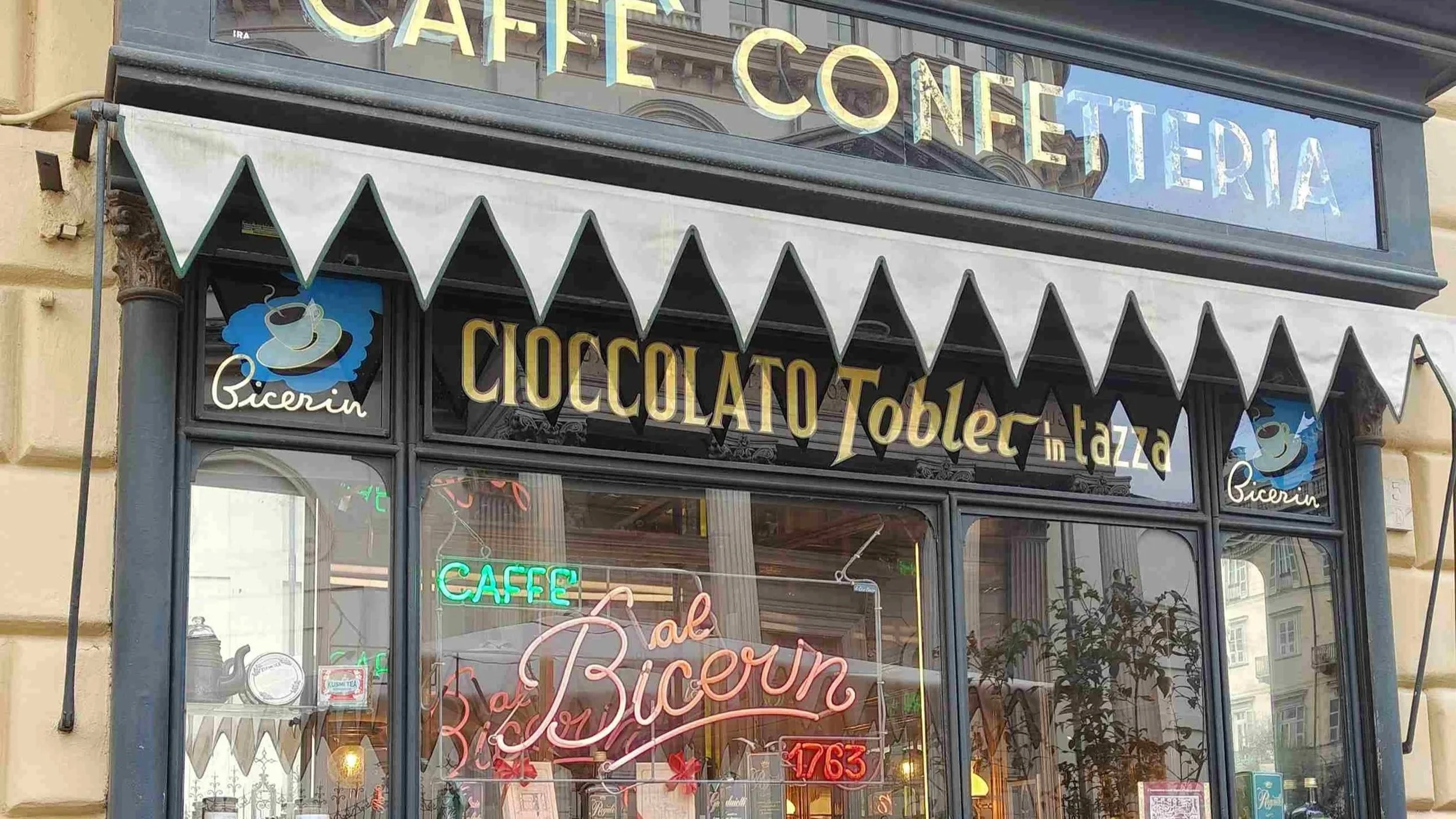
Turin's café culture is part of the city's identity, and breakfast or an afternoon stop can be built into the sightseeing route without requiring a separate detour. The city's traditional specialities include bicerin, hot chocolate and giandujotti, while historic cafés remain concentrated around the central squares and arcades.
The bicerin is particularly associated with Turin: the drink combines coffee, chocolate and milk or cream and is traditionally served layered rather than stirred.
An Unusual, Interactive Way to Walk the Centre: ClueGo Riddle Tour

If you want to cover several of the central sights without building the route yourself, there is another way to organise the visit. ClueGo Turin is a self-guided walking route that uses puzzles and clues to connect the city's landmarks.
The Turin trail covers about 4.5 km across 11 stops and takes 3–4 hours. It runs through the city centre and includes places such as the Cathedral, Royal Palace, Palazzo Madama, Museo Egizio and Mole Antonelliana, alongside less obvious details.
It also reveals hidden gems, secret spots, fun stories, and local eateries that you would most likely miss otherwise.
The practical difference is that the route is already selected and ordered. You follow the next stop through a Web App, solve the puzzle associated with it and continue on foot, without having to decide which landmarks to combine or work out the connection between each one.
It is available in English and Italian for groups of 1–5 people.
The experience runs through a Web App, with no app download or reservation required. You start independently and can pause and resume the route; the trail is entirely outdoors. Museum and monument admission is not included, so the route can be used as the walking framework while you decide separately which interiors to visit.
Check out ClueGo Turin
Try Turin's chocolate and gianduja
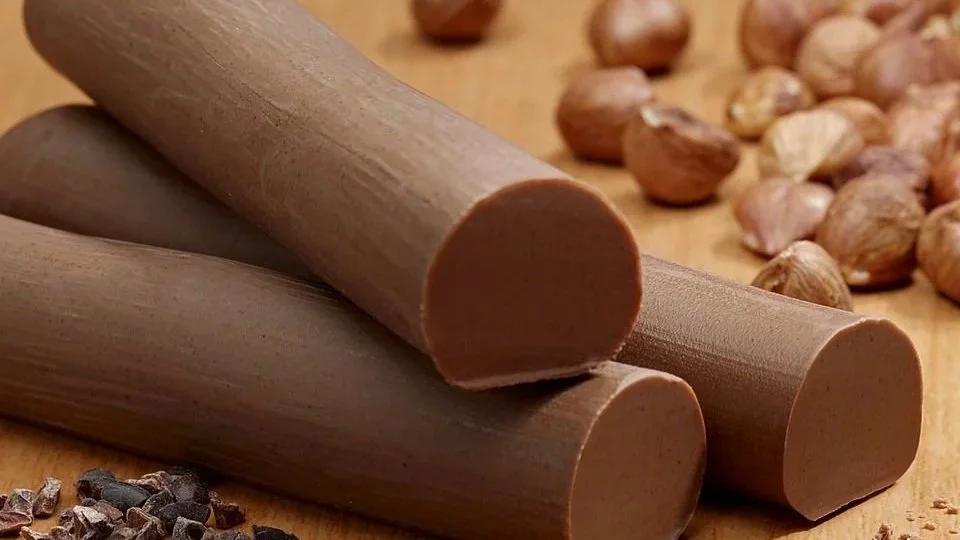
Chocolate is one of the easiest local experiences to add to a day of sightseeing. Turin's chocolate tradition includes the giandujotto, created in the city in 1865 using cocoa and hazelnuts from the Langhe.
You will find historic chocolate and pastry shops around the centre, especially along the arcaded streets. A tasting stop can therefore fit into the route without taking you away from the main sights.
Have a Vermouth aperitivo
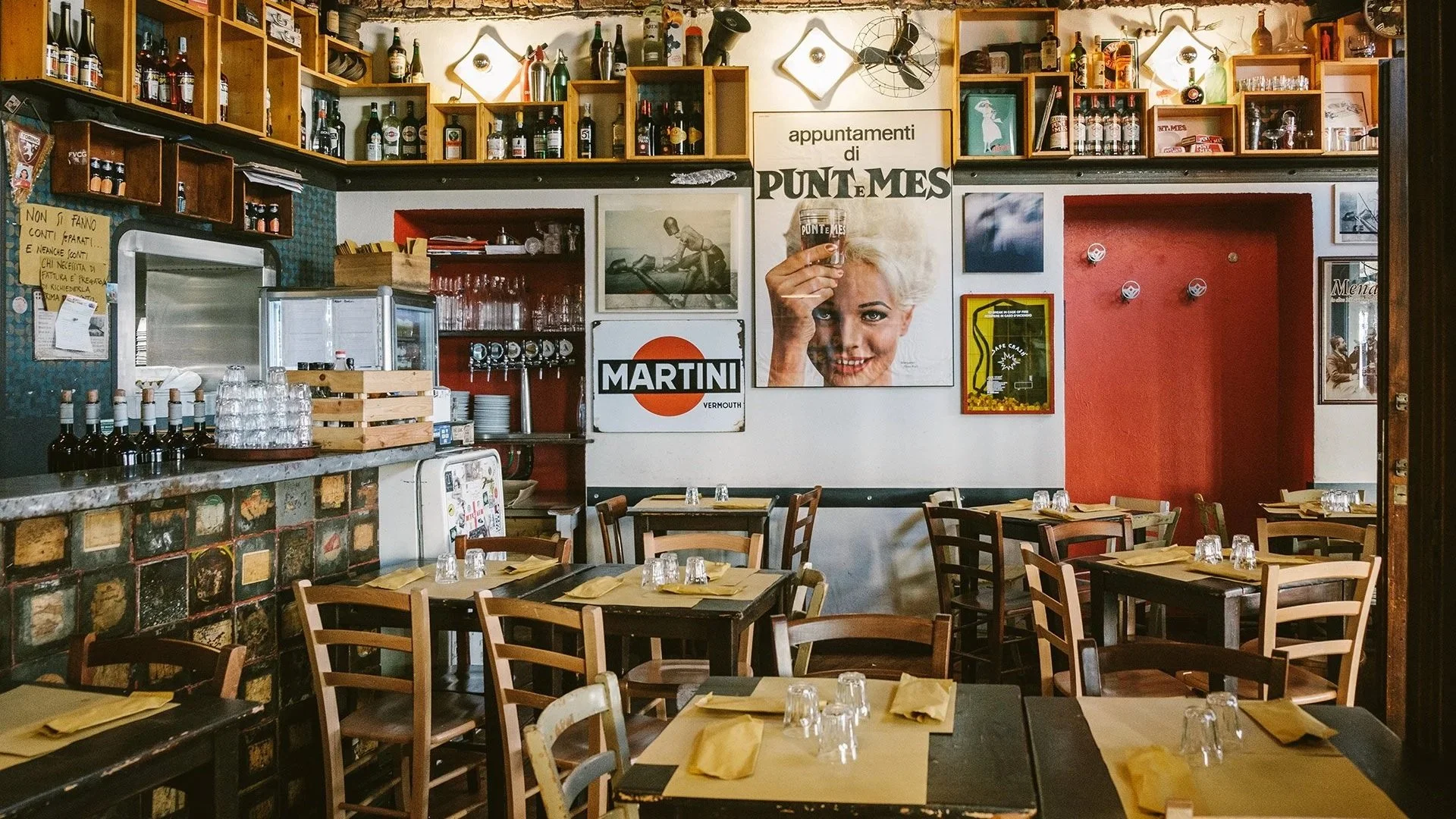
Vermouth belongs to Turin's local food and drink culture and makes sense as an evening activity after the museums close. Piazza Vittorio Veneto, the Quadrilatero Romano, Borgo Dora and San Salvario are among the areas identified by the city's tourism board for evening drinks, restaurants and nightlife.
The choice of neighbourhood changes the atmosphere. Piazza Vittorio works well if you are already walking along the Po; the Quadrilatero Romano keeps you close to the historic centre; San Salvario is around Porta Nuova and has a denser concentration of restaurants and bars.
Walk the Quadrilatero Romano
The Quadrilatero Romano occupies the area of Turin's ancient Roman settlement around Via Garibaldi. Its narrow streets connect the centre with Porta Palazzo and Borgo Dora, while workshops, independent businesses, restaurants and contemporary design spaces have developed alongside the older buildings.
Galleria Umberto I is one of the area's useful landmarks. If you are interested in contemporary design, the tourism board also organises routes through the district focusing on ateliers, courtyards and independent makers.
Browse Porta Palazzo
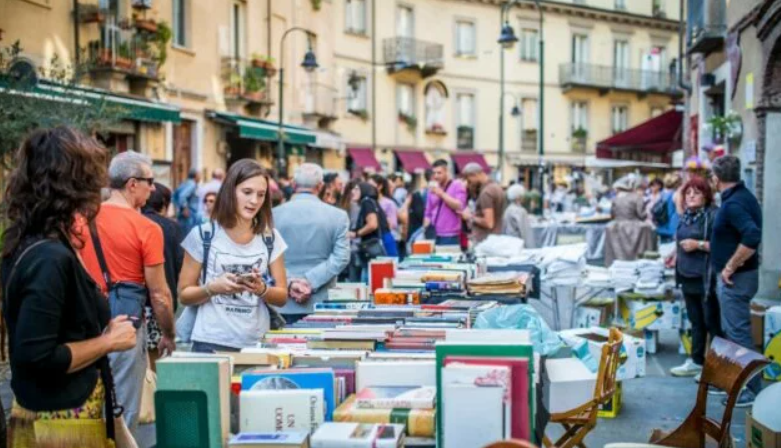
Photo by Catwalkphotos
For a different side of Turin, head north from the historic centre to Porta Palazzo, officially described by Turismo Torino as Europe's largest open-air market.
The market operates Monday to Friday from 7:00 to 14:00 and Saturday from 7:00 to 19:00. Sunday is the weekly closing day. The stalls cover food, clothing and other goods, while the nearby Mercato Centrale adds food workshops and producers under one roof.
Porta Palazzo works best as a morning stop because its schedule does not match the traditional museum day. It is also close to the Porte Palatine and Quadrilatero Romano, so it can be combined with that part of the city.
Walk through Valentino Park
If you want some open space after the museums, Parco del Valentino runs along the Po south of the historic centre. It covers around 550,000 square metres and contains the Botanical Garden and Castello del Valentino, one of the Savoy residences.
The park is free to enter and works as a longer walk or a break from indoor sightseeing. One important update: the Borgo Medievale inside the park is currently closed for restoration works until 2027, so it should not be planned as a visit during a 2026 trip.
Take the route up to Superga
The Basilica of Superga sits on the hill east of Turin and provides one of the city's major viewpoints. It is outside the compact historic-centre route, so adding it to a one-day sightseeing plan requires a deliberate change of pace.
In 2026, the Sassi–Superga historic rack railway remains one of the tourist connections to the basilica. On public holidays, a new Superga Express bus is also operating on a six-month trial period, connecting Piazza Vittorio Veneto directly with the basilica.
Superga therefore makes more sense as a separate excursion or as the main focus of an afternoon. Trying to squeeze it between the Egyptian Museum and Mole would make the central route unnecessarily fragmented.
What to Add If You Have More Time
Spend longer inside Turin's museums
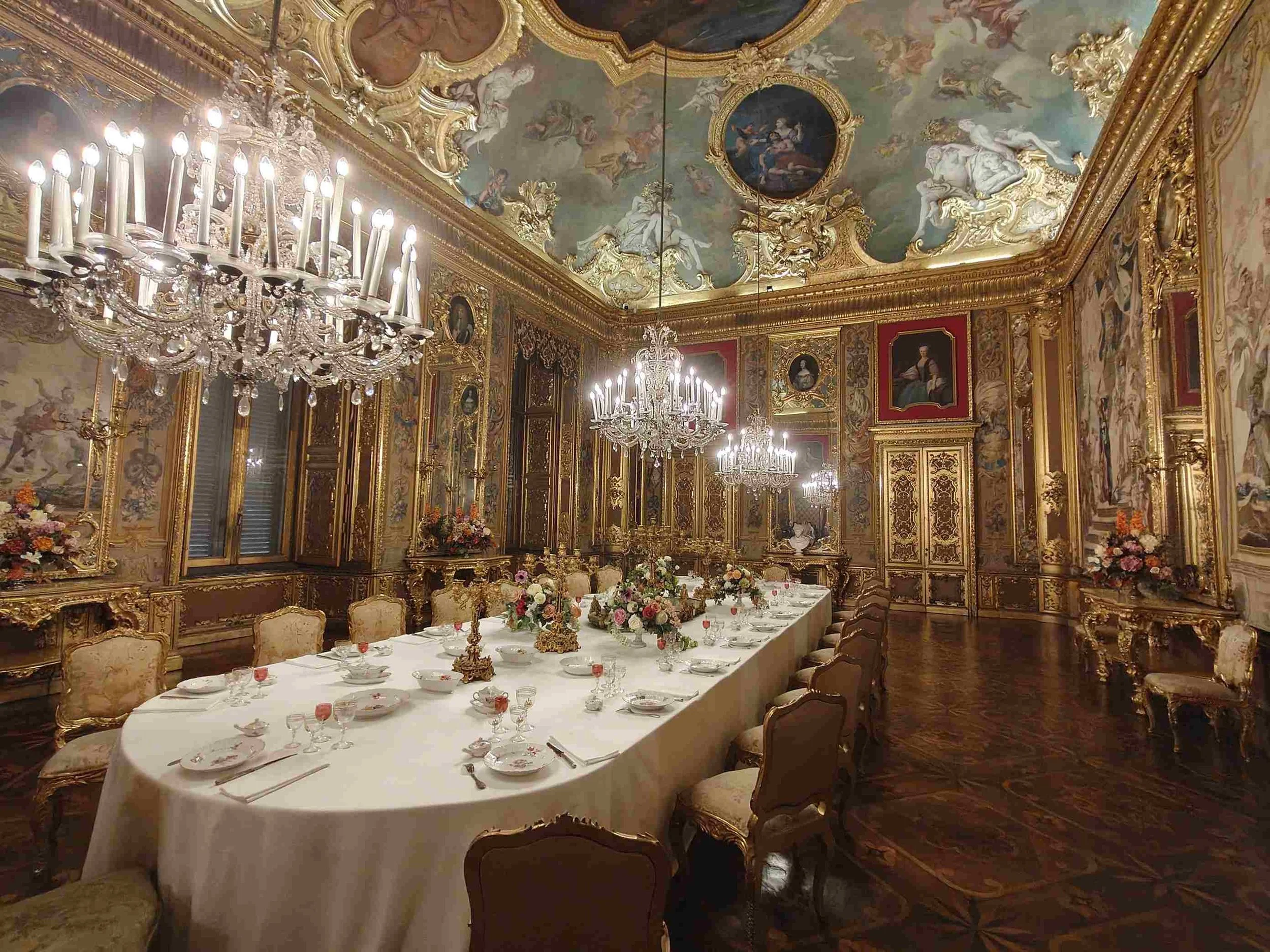
Turin has a particularly high concentration of museums, so a second day is useful mainly when you want to go beyond the headline sights. The Museo Egizio, Royal Museums and National Cinema Museum each have enough material to change the balance of a short itinerary.
Other possibilities include the National Automobile Museum, especially for visitors interested in automotive history, or Turin's contemporary art and design institutions.
Visit a Savoy residence outside the centre
The Savoy royal heritage extends well beyond Palazzo Reale. Venaria Reale, around 10 km from Turin, is one of the major royal residences in the metropolitan area, while Stupinigi and Villa della Regina offer other perspectives on the Savoy court.
These are separate destinations, so they should be treated as excursions rather than added casually to a central walking route.
Give the Po and hillside more time
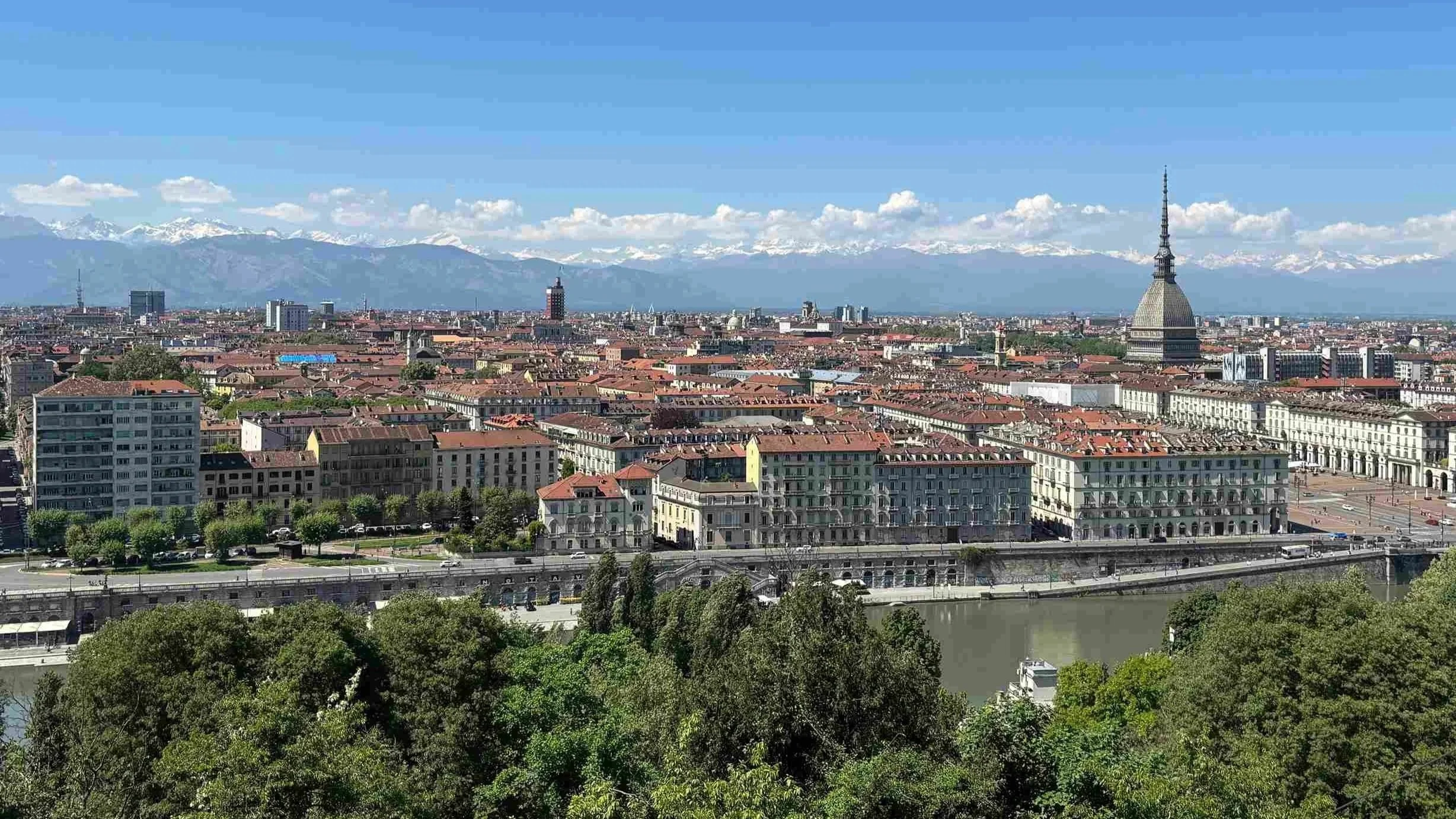
If you prefer outdoor sightseeing, use additional time for the river, Valentino Park, Monte dei Cappuccini or Superga. Monte dei Cappuccini provides a city viewpoint from the hillside immediately across the Po, while Superga takes you considerably farther from the centre.
The difference matters when planning: Monte dei Cappuccini fits naturally into a central day; Superga deserves a larger block of time.
Frequently Asked Questions
-
Keep the main route in the historic centre: Piazza Castello, the Cathedral, Palazzo Carignano, Museo Egizio, Piazza San Carlo, Via Po and the Mole. Leave enough time to walk through the arcades and stop for coffee or an aperitivo. A long museum visit will require reducing the number of interiors you visit.
-
For a first visit, combine Piazza Castello, the Royal Museums, the Cathedral, Museo Egizio, Piazza San Carlo, Via Po and the Mole Antonelliana with at least one local experience such as a historic café, chocolate tasting or Vermouth aperitivo.
-
Try local chocolate and bicerin, have a Vermouth aperitivo, walk the Quadrilatero Romano, browse Porta Palazzo, follow the Po or spend time in Valentino Park. Superga adds a hilltop excursion if you have enough time.
-
The central sightseeing route is well suited to walking. Turismo Torino's one-day itinerary connects Piazza Castello, Piazza San Carlo, Piazza Carignano and Piazza Vittorio Veneto on foot, with the main arcaded streets and galleries linking the central areas.
-
One day is enough to see a substantial part of the historic centre and several of the city's major landmarks. It is not enough to visit the main museums in depth, add Superga or Venaria and still maintain the same pace. The key decision is how much time you want to spend inside museums.
-
Of course you can! If you prefer to explore by yourself instead of following a group or having fixed schedules, the self-guided riddle trail by ClueGo allows you to start and finish whenever you want as well as discovering tons of hidden gems and fun stories you would otherwise miss.