
Ferrara is compact enough to visit in one day, especially if you focus on the historic centre and its main Este monuments. The city centre is part of the UNESCO World Heritage site recognised in 1995, and many of the main sights are within walking distance of each other.
A second day makes sense if you want more time for museums and the city walls. It also gives you another option: leave Ferrara for a day and head towards Comacchio and the Po Delta, where canals, wetlands and lagoon landscapes replace Renaissance palaces.
This itinerary covers both possibilities, with the first day entirely in Ferrara and the second day designed as a choice between staying in the city or exploring the surrounding area.
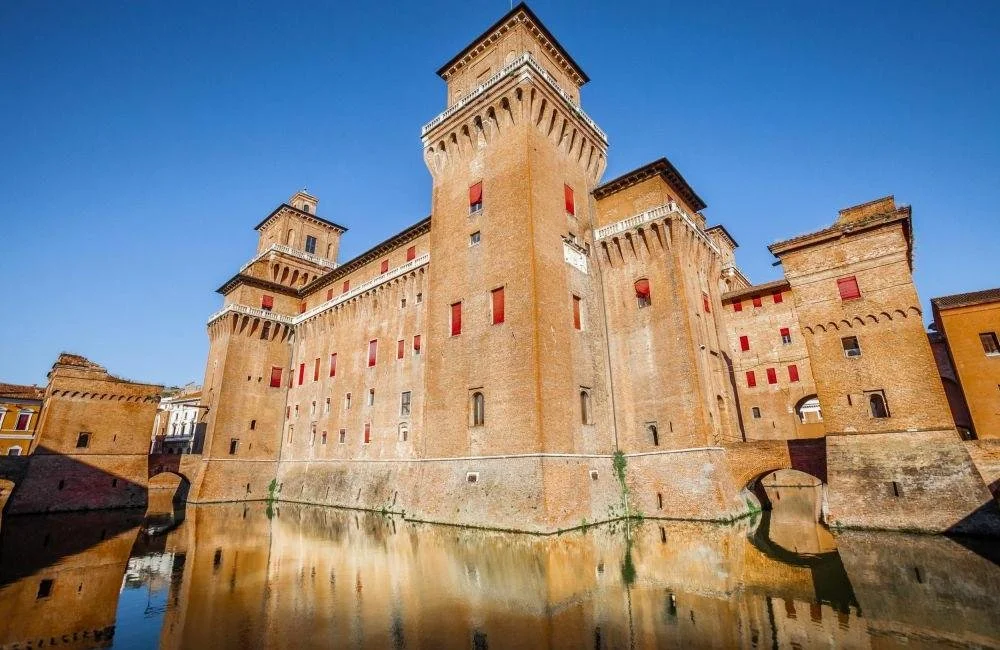
Photo by touremiliaromgna.it
How Many Days Do You Need in Ferrara?
One day is enough to see Ferrara's main historic centre. The Estense Castle, Cathedral area, Via delle Volte, Palazzo dei Diamanti and parts of the Renaissance extension can be combined on foot.
Two days give you time for museums and the city walls, or allow you to add a completely different landscape outside the city. If this is your first visit and you have two full days, the Comacchio and Po Delta option gives you more variety.
Ferrara is also easy to reach from Bologna. The local tourism authority currently lists a connection between Ferrara and Bologna Marconi Airport taking about 60 minutes, with several services each day.
Ferrara in One Day
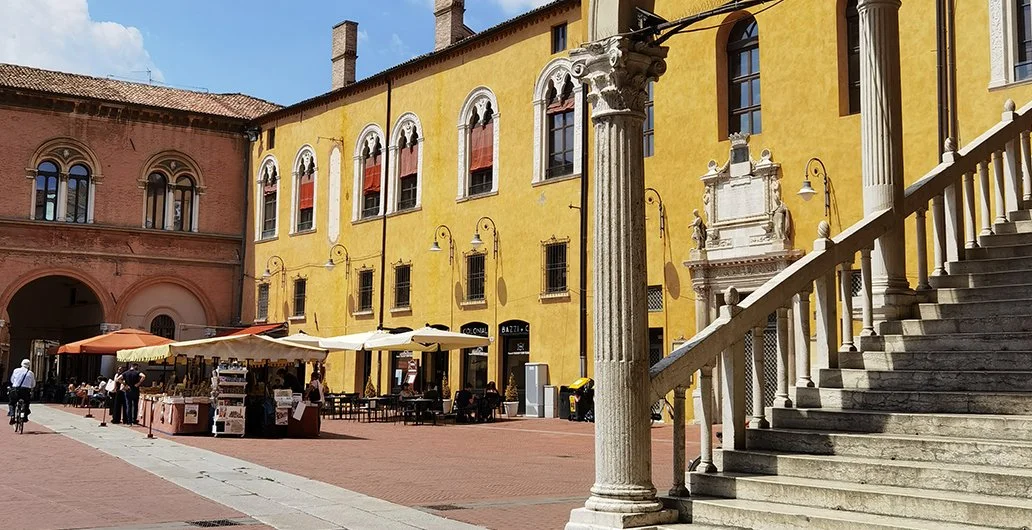
Photo by Cappellacci a Merenda
Start with Piazza della Cattedrale and the medieval centre
Begin around Piazza della Cattedrale, where the Cathedral of San Giorgio and the former medieval and civic centre of Ferrara are concentrated. From here, walk towards Piazza Trento e Trieste and then into the older streets around Via San Romano.
The area gives you a useful introduction to Ferrara before moving into the larger Renaissance spaces created under the Este family.
From here, continue towards the castle.
Visit the Estense Castle
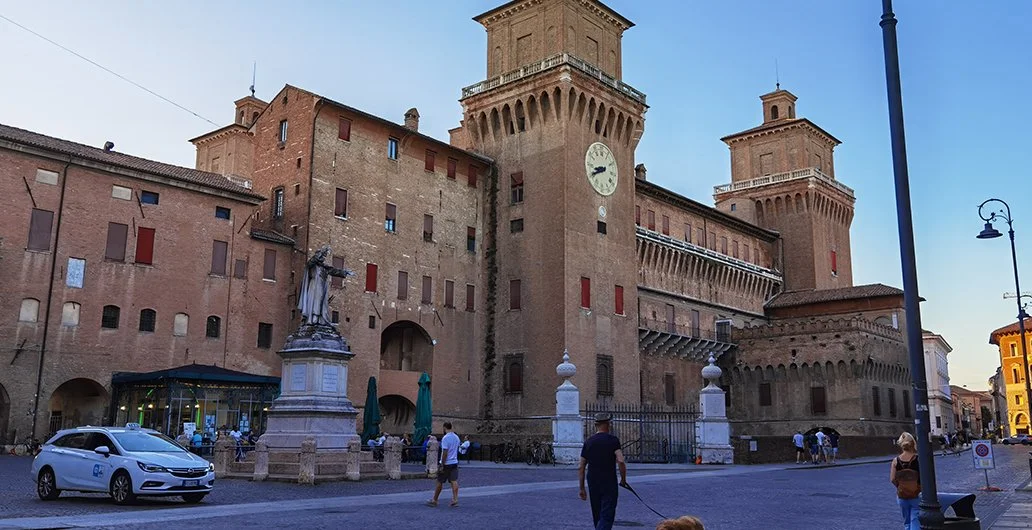
The Estense Castle was built in 1385 by order of Niccolò II d'Este as a defensive fortress. It later became the residence of the Este court. Today the museum route includes the ducal apartments, former prisons, the Lion Tower, the Orange Garden and the ducal kitchens.
Allow at least an hour if you want a proper visit. The castle itself recommends allowing up to three hours if you stop to read the information in the rooms.
The current full admission price is €12. The castle recommends booking ahead because visitor numbers can be limited. Current opening hours are 9:30–13:30 and 15:30–19:30, with the last admission 45 minutes before closing; check the official site before your visit because hours can change.
Walk through Via delle Volte
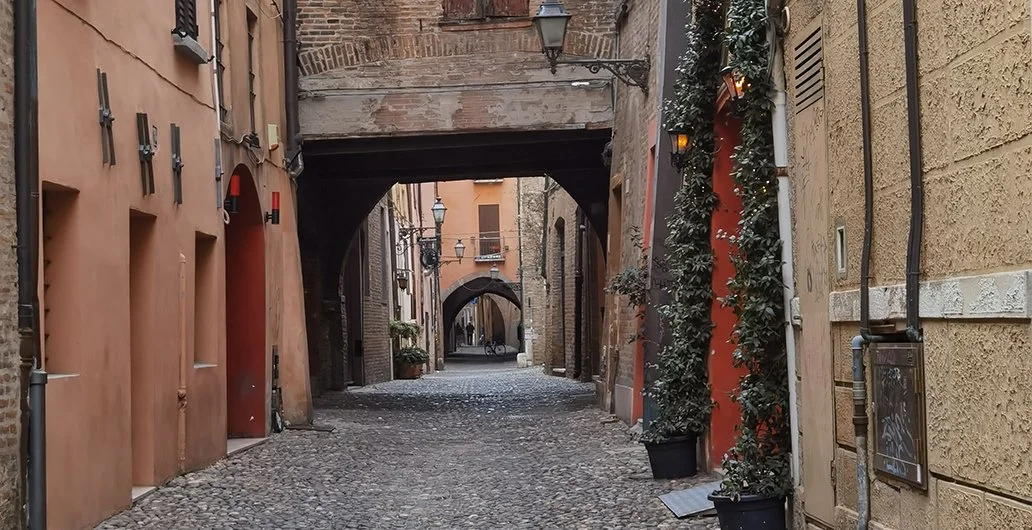
Photo by Cappellacci a Merenda
From the castle area, head towards Via delle Volte, one of Ferrara's medieval streets.
The street is characterised by arches and suspended passages that once connected houses with warehouses and artisan workshops. Much of its medieval layout remains visible, making it one of the places where the older commercial structure of Ferrara is easiest to understand.
This is also a useful part of the itinerary for simply walking without adding another museum ticket.
Stop for lunch and try something from Ferrara's traditional cuisine
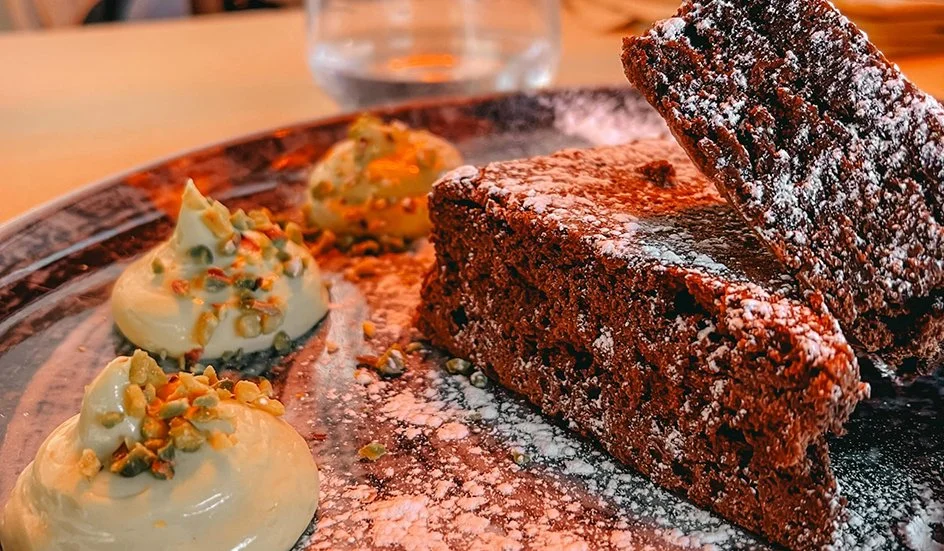
Ferrara has a few dishes worth looking for specifically on a first visit. Cappellacci di zucca, filled with pumpkin, are one of the area's traditional pasta dishes; salama da sugo is a local pork sausage traditionally served cooked, while coppia ferrarese is the characteristic local bread.
If you want something more hands-on, Visit Ferrara currently lists a two-hour cooking class focused on local pasta and bread, including cappellacci and coppia ferrarese. The class is scheduled on Saturdays at 10:30 from March to December, excluding July and August, although availability should be checked before planning around it.
Continue to Palazzo dei Diamanti

Photo by lonelyplanet.com
After lunch, walk north along Corso Ercole I d'Este towards Palazzo dei Diamanti.
The Renaissance palace was begun in 1493 and designed by Biagio Rossetti. Its exterior contains more than 8,500 diamond-shaped stone projections, which give the building its name. The Piano Nobile houses the National Picture Gallery, with works by artists including Cosmè Tura, Ercole de' Roberti, Garofalo and Bastianino.
If you enjoy art, this is one of the best places to spend the afternoon. If you prefer architecture and walking, seeing the building from outside and continuing towards Parco Massari is enough to keep the itinerary moving.
Walk or cycle along the city walls
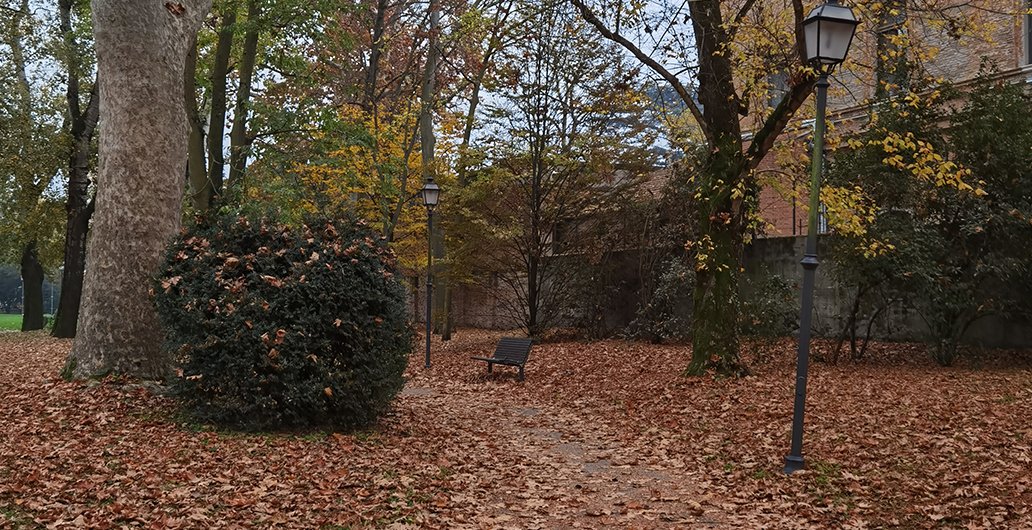
Ferrara's walls extend for about 9 kilometres around the historic centre. Today they form a green route used for walking and cycling, with gates, towers and stretches of the original defensive structure along the way.
You do not need to cover all nine kilometres. A shorter section around the northern walls and Parco Massari works well after the museums.
Ferrara is particularly suited to cycling, and the city tourism authority describes the historic centre as easy to explore by bicycle as well as on foot.
Add Palazzo Schifanoia if you want another museum
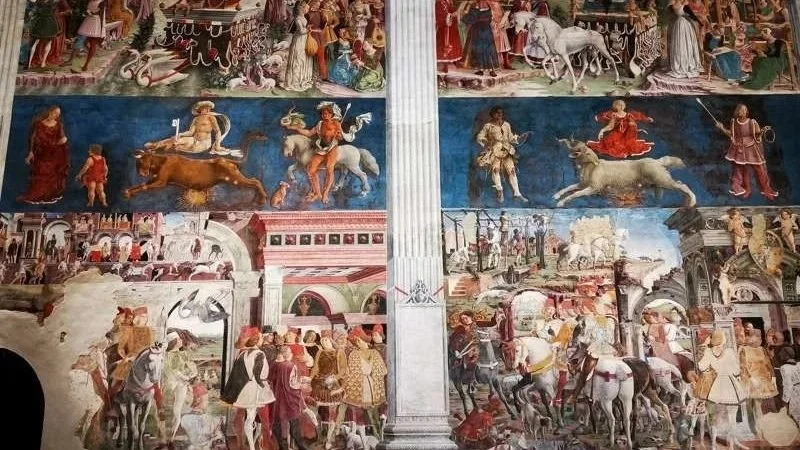
Photo by viaggiatricecuriosa.it
If you prefer another interior visit to the city walls, add Palazzo Schifanoia.
The fourteenth-century palace was commissioned by Alberto V d'Este as a place for leisure and is now a museum. Its main attraction is the fifteenth-century decoration of the Salone dei Mesi, created by artists of the Ferrarese school.
This is the better choice for visitors who want to spend more time with Ferrara's Renaissance art. You do not need to add every museum in one day.
Where ClueGo fits into a day in Ferrara

There is a practical issue with building your own sightseeing route in a compact historic city: the list of places to see is easy to find, but deciding which ones belong together and how to move between them is another job entirely.
With ClueGo, that part of the planning is already done. You follow a ready-made walking itinerary, with the stops selected in advance and the Web App guiding you from one location to the next. You do not need to keep several saved guides or articles open on your phone and stop every few minutes to check what comes next or work out how to get there.
The Ferrara trail starts in Via delle Volte and finishes in Via Mazzini. It covers about 3 km, has 9 stops, and takes around 2–3 hours without breaks. The route includes places such as the Ducal Palace, Estense Castle, Palazzo dei Diamanti and Parco Massari, so it can cover several of the sights already included in a first-day visit while adding clues and details along the way.
The Web App gives you the starting point and guides you step by step through the trail. You solve the puzzles, follow the directions to the next stop and continue without having to build the route yourself. There is no app download, no fixed starting time and no reservation required. You can pause and resume later if you want to split the trail around lunch or another visit.
The Ferrara trail is available in English and Italian for groups of 1–5 people. It takes place entirely outdoors, so museum and monument admission is separate. The game code can be redeemed within six months of purchase and, once activated, the trail must be completed within 10 days. The recommended minimum age is 7.
Ferrara in Two Days
If you have a second full day, there are two sensible options.
Stay in Ferrara if you want more museums, cycling and time inside the historic centre.
Leave the city for Comacchio and the Po Delta if you want a second day with a completely different landscape.
For most first-time visitors, the second option gives the trip more variety.
Option 1: Stay in Ferrara
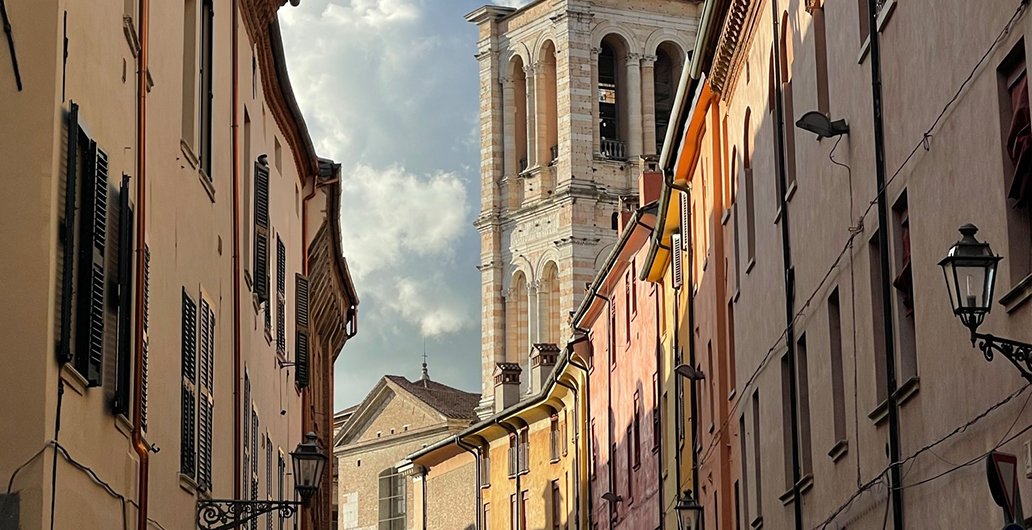
Photo by Cappellacci a Merenda
Use the morning for the museum you skipped on day one.
The MEIS – National Museum of Italian Judaism and the Shoah is particularly useful if you want to understand another part of Ferrara's history. The museum traces more than two thousand years of Jewish presence in Italy and includes permanent exhibitions on Italian Jewish history and the persecution under the racial laws and Nazi-Fascist regime.
MEIS is open Tuesday to Sunday from 10:00 to 18:00, with last admission at 17:00. The standard ticket is €10. It is in Via Piangipane, close to the former Jewish quarter and within walking distance of the castle and city walls.
Afterwards, use the afternoon for the city walls by bicycle or on foot. You can also add the National Archaeological Museum in Palazzo Costabili, which focuses on the ancient city of Spina and its links with the Greek world.
Option 2: Spend the second day in Comacchio and the Po Delta
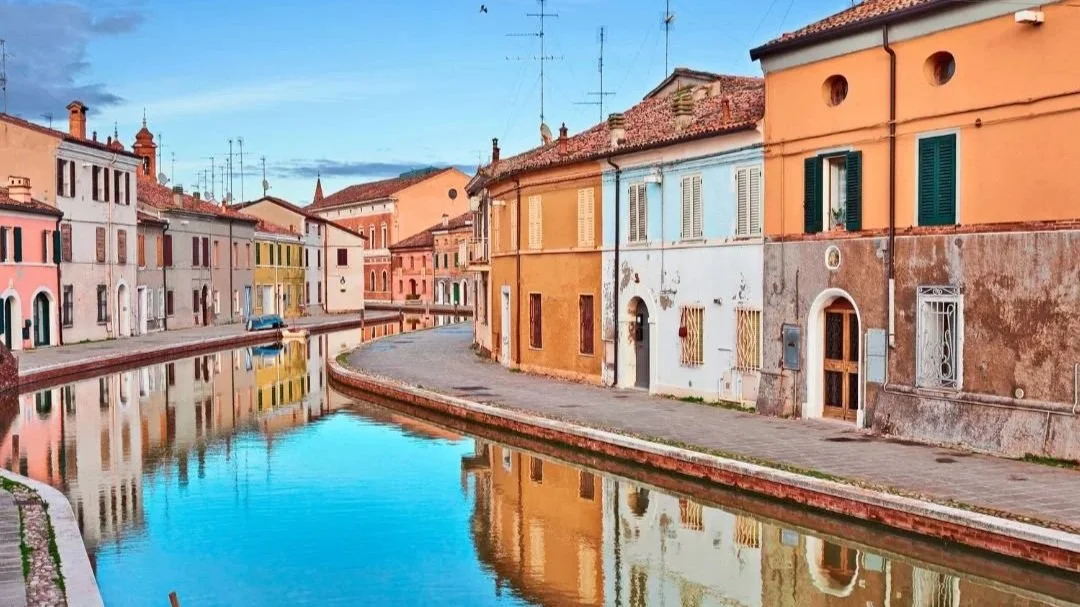
Photo by bicievacanze.it
Comacchio is about 52 km from Ferrara and can be reached by car or by the direct extraurban bus line 331. The route connects Ferrara with Ostellato, Comacchio and the Comacchio coast.
Start in Comacchio's historic centre, where canals and small bridges replace Ferrara's Renaissance squares. The town grew around the waterways of the Po Delta and still preserves a dense network of canals. The Trepponti Bridge is its best-known landmark, while the historic centre also includes the Sbirri Bridge, Palazzo Bellini and the Cathedral of San Cassiano.
If you have time, visit the Ancient Delta Museum, which houses archaeological finds connected with the ancient settlement of Spina and a commercial vessel dating from the 1st century BC. Another option is the Manifattura dei Marinati, which documents Comacchio's traditional eel-fishing and processing industry.
Continue into the Comacchio Valleys
The Valli di Comacchio are part of the Po Delta Park and form a large wetland area of brackish water. The area is important for birdlife, including a colony of pink flamingos, and can be explored by boat, bicycle or on foot depending on the activity and season.
A boat excursion is the easiest way to make the landscape the main activity of the afternoon. If you prefer cycling, the Ferrara tourism authority also proposes routes through the wetlands and reclaimed countryside connecting the Ferrara area with Comacchio.
This is also the place to try Comacchio eel, one of the foods most closely associated with the lagoon town.
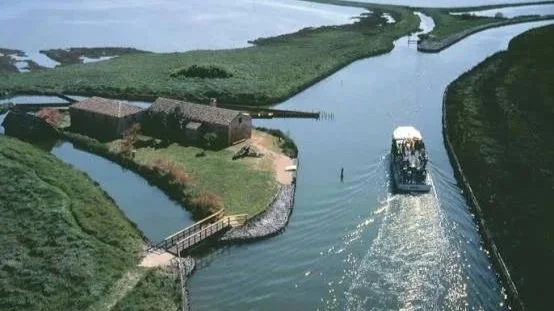
Photo by deltadelpo.eu
Another nearby option: Argenta
If wetlands and birdwatching interest you more than Comacchio's canals, consider Argenta's Valleys instead.
The area includes Campotto and Bassarone, Valle Santa and the Bosco del Traversante. Some sections can be visited freely, while Campotto and the Traversante Wood require a guide. The area also includes the Valleys Museum and the Reclamation Museum, which explains the long relationship between the Ferrara plain and water management.
Argenta works particularly well for travellers who want a quieter second day focused on nature and landscape.
What to Eat in Ferrara
A short stay is enough to try several local specialities.
Start with cappellacci di zucca, usually served with ragù or butter and sage. Look for salama da sugo if you want one of the more distinctive dishes of the local cuisine, and try coppia ferrarese, the traditional IGP bread. In Comacchio, look for eel dishes associated with the lagoon's fishing tradition.
If you are visiting in cooler weather, the richer dishes of Ferrara's cuisine fit naturally into the itinerary after a morning spent walking or cycling.
Frequently Asked Questions About Ferrara
-
Yes. One day is enough for the main historic centre, including the Estense Castle, Via delle Volte, the Cathedral area and Palazzo dei Diamanti. You will need to choose which museums to enter.
-
Yes, if you want to visit several museums, cycle the city walls or add a day trip. For a first visit, Comacchio and the Po Delta give you a different landscape without requiring a long journey.
-
The main priorities are the Estense Castle, Via delle Volte, Palazzo dei Diamanti, the Cathedral area, the city walls and Palazzo Schifanoia. MEIS and the National Archaeological Museum are useful additions for a second day.
-
Yes. The historic centre is compact, and the main sights can be connected on foot. Cycling is also particularly practical because Ferrara has an extensive network of cycle routes and a 9-km ring of city walls.
-
Comacchio and the Po Delta are the strongest day-trip option for a two-day stay. Argenta is another possibility for wetlands, birdwatching and the area's water-management history. Pomposa Abbey is another destination in the province and can be combined with the northern part of the Po Delta.
-
Yes. Ferrara itself is easy to explore on foot or by bicycle. Comacchio is also connected from Ferrara by the TPER extraurban network, including line 331, although checking the timetable for your travel date is important because schedules change seasonally.
-
The Ferrara trail covers about 3 km and takes around 2–3 hours without breaks. It has 9 stops and can be paused and resumed later.