
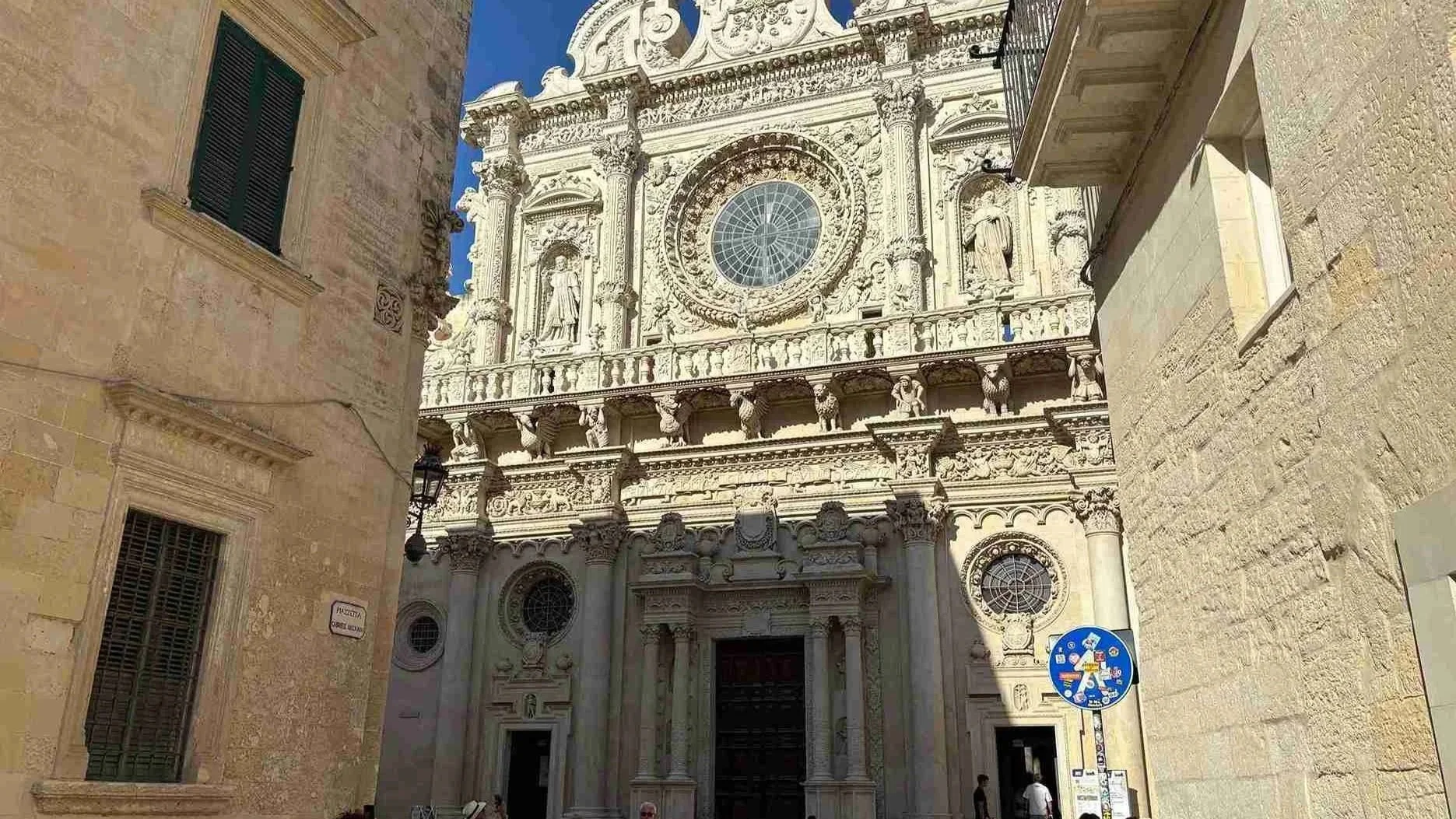
If you are deciding what to do in Lecce, Italy, start with the historic centre. Most of the city's main sights are concentrated within a walkable area, so a short visit can cover the Roman remains, Baroque churches, Piazza Duomo and Castello Carlo V without spending the day on public transport.
The main question is how much time you want to spend inside each monument. Seeing the exteriors and main squares leaves room for several stops in one day. Adding church interiors, the castle and a museum requires more careful choices.
What to See in Lecce: The Main Sights
For a first visit, the core sights are:
Piazza Sant'Oronzo and the Roman Amphitheatre
Basilica of Santa Croce
Piazza Duomo and Lecce Cathedral
Castello Carlo V
Teatro Romano
Museo Faggiano
the smaller Baroque churches and historic streets connecting them
These places sit within the historic centre, with Piazza Sant'Oronzo, Santa Croce, the castle and Piazza Duomo forming the main sightseeing area.
If you only have one day, the useful distinction is between seeing the city and visiting every attraction in depth. Lecce's centre allows you to cover most of the essential sights in one day, but a full visit to several museums and monuments will require more time.
Piazza Sant'Oronzo and the Roman Amphitheatre
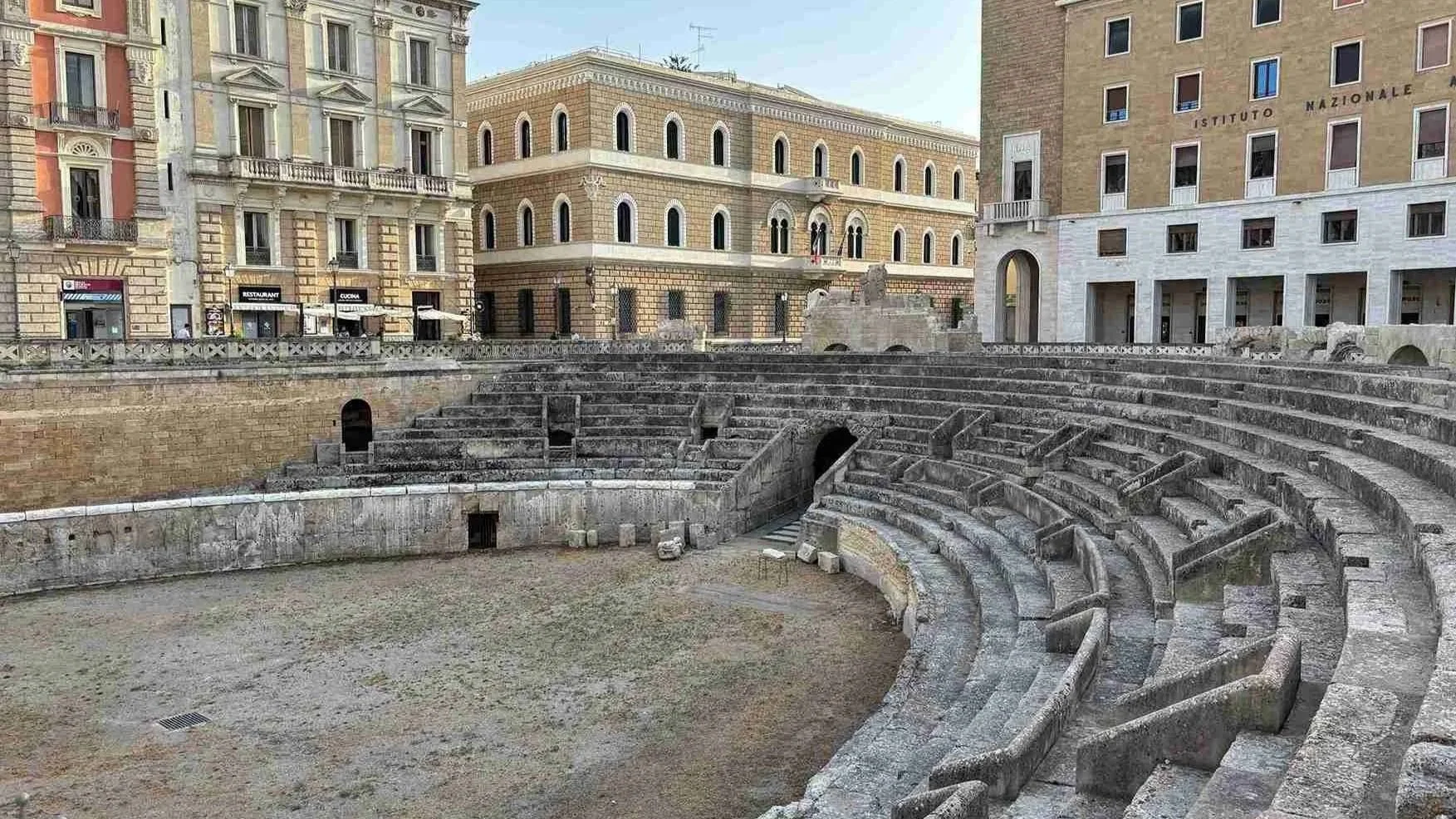
Piazza Sant'Oronzo is one of the natural starting points for what to see in Lecce. The square contains the Roman Amphitheatre, built in the ancient city of Lupiae.
Only around one third of the original amphitheatre is visible today. The rest remains beneath the square and surrounding buildings. The surviving section gives you a direct view of the arena and part of the cavea without taking you away from the centre of the modern city.
The square also gives you an easy reference point for the rest of the historic centre. From here, the main Baroque sights continue through the streets towards Santa Croce and Piazza Duomo.
If you are visiting the amphitheatre itself, check the current opening schedule before planning your day. Access hours vary by season.
Basilica of Santa Croce and Lecce's Baroque Centre
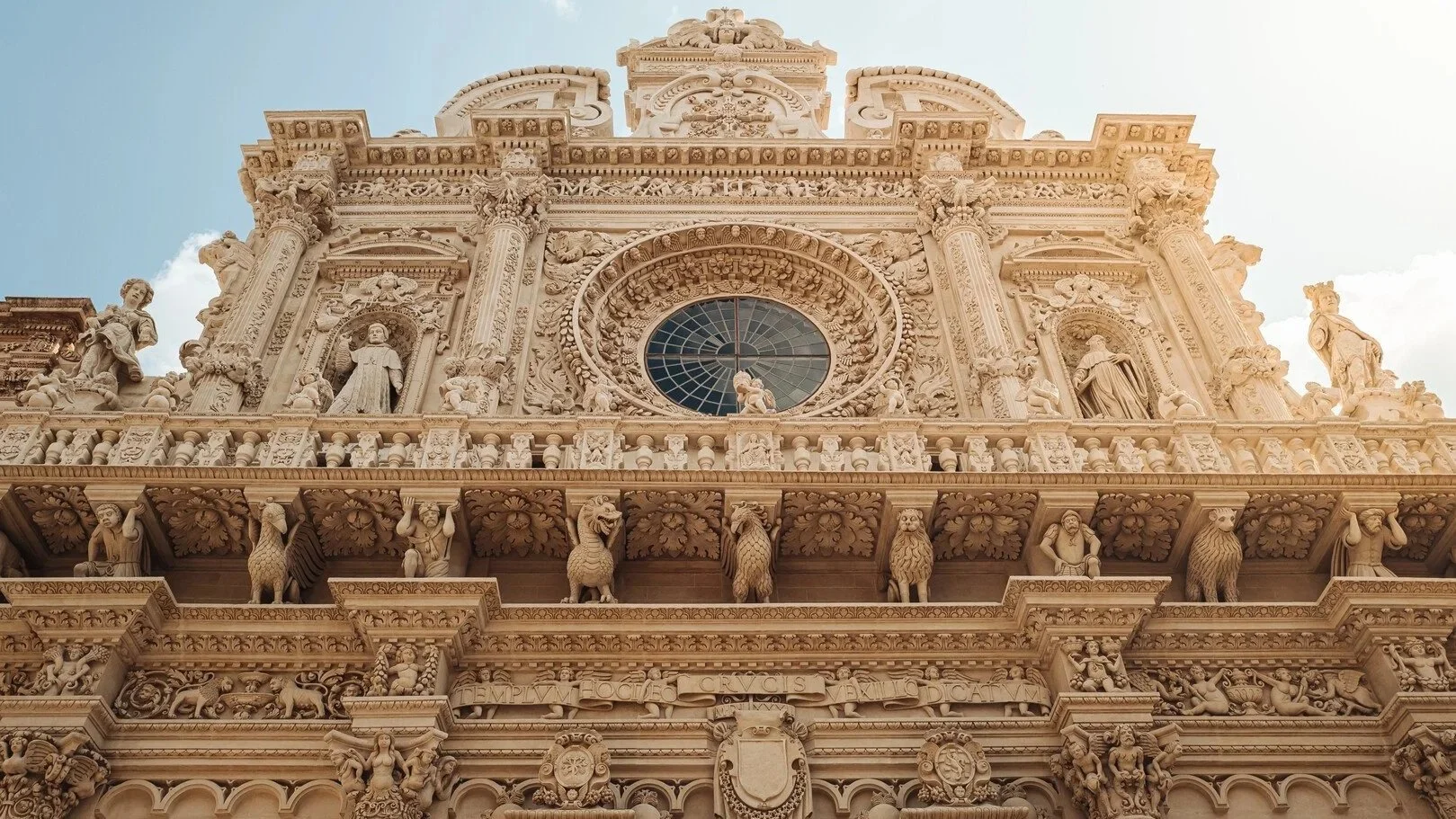
The Basilica of Santa Croce is one of the defining buildings of Lecce's Baroque architecture. Its facade is the detail to look at first: animals, figures, plants and architectural decoration cover almost every available surface.
Santa Croce is part of the official LeccEcclesiae circuit, which also includes Lecce Cathedral, the Antico Seminario, San Matteo, Santa Chiara and the Museum of Sacred Art.
This makes the area around Santa Croce useful when planning several indoor visits together. A single ticket currently covers the main sites of the circuit, with separate options depending on whether you also want access to the Cathedral bell tower.
Keep some flexibility in your schedule because church visits can be suspended around religious services.
Piazza Duomo and Lecce Cathedral
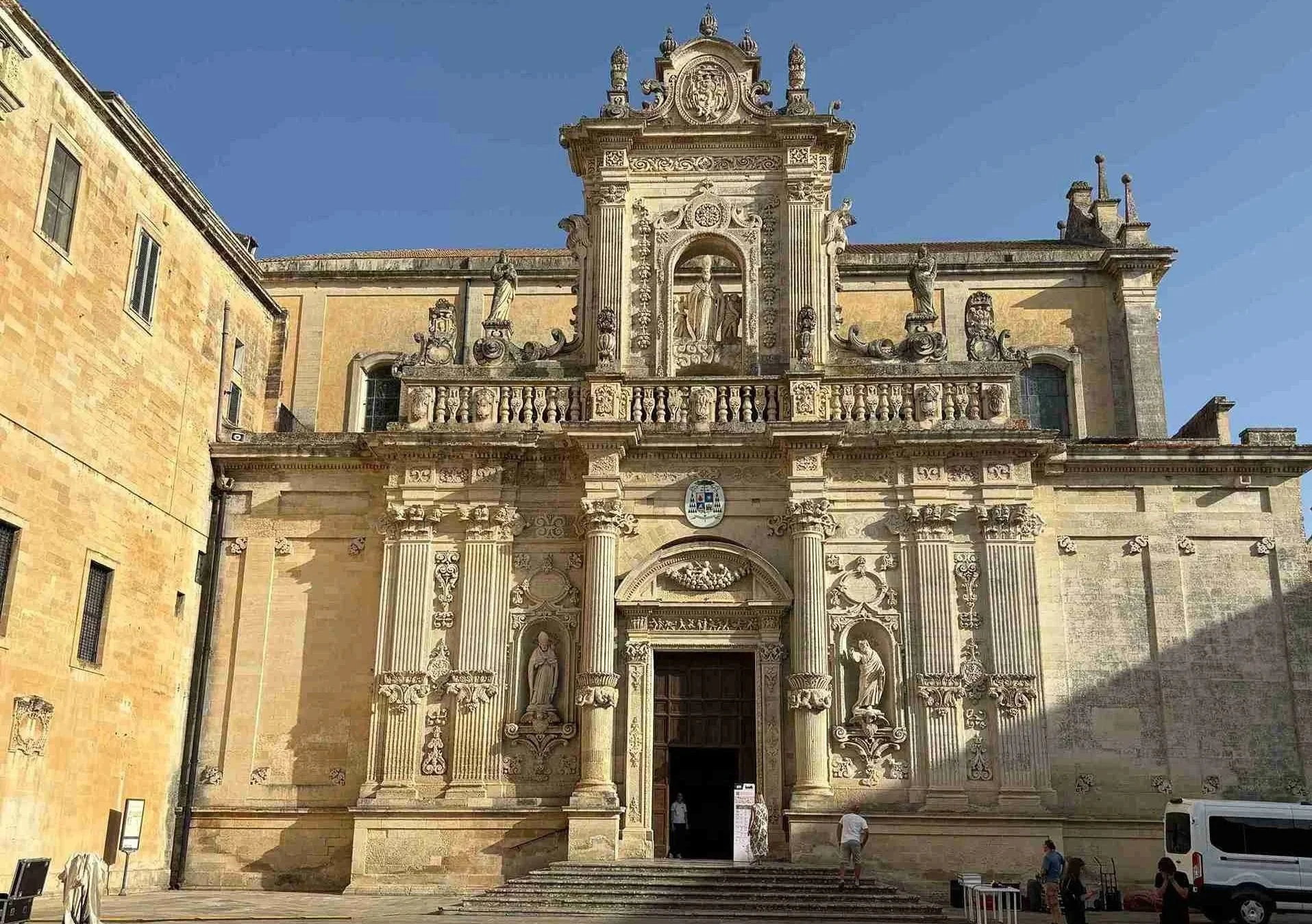
Piazza Duomo is one of the most distinctive spaces in the historic centre. The entrance is framed by the Cathedral, its bell tower, the Antico Seminario and other Baroque buildings around the square.
The Cathedral of Maria Santissima Assunta is part of the LeccEcclesiae circuit. The same ticket can also include the bell tower, which adds a panoramic viewpoint over the city.
If your time is limited, Piazza Duomo is still worth including even if you decide not to visit every building inside it. The square itself brings several major architectural elements together in one place.
For visitors interested in Baroque architecture, this is one of the strongest sections of the city to explore on foot.
Castello Carlo V
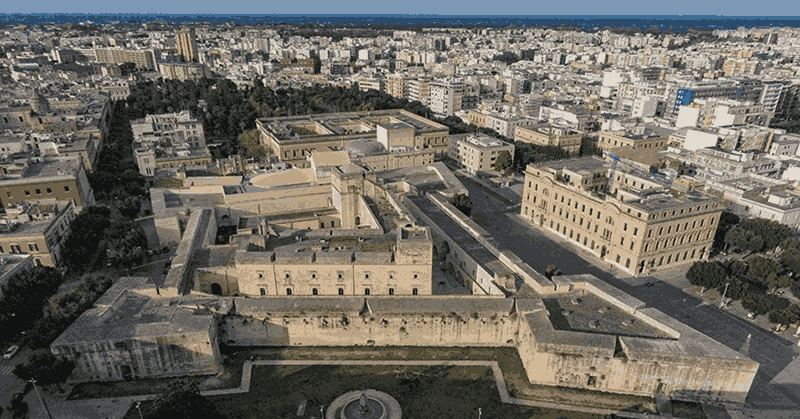
Photo by rainews.it
Castello Carlo V sits close to the southern edge of the historic centre, making it easy to combine with the central sights.
The fortress was built for Emperor Charles V between about 1537 and 1550, incorporating parts of the earlier medieval castle into the new defensive complex.
The current visit to the interior is organised through guided tours lasting about 50 minutes. The castle is currently open from Tuesday to Sunday, 10:00 to 20:00, with the last entry one hour before closing. The central courtyard can be visited for free.
This is one of the stops where opening times can affect your route. If you want the complete interior visit, check the available tour time before deciding when to visit the other attractions.
More Things to Do in Lecce
Once the main monuments are covered, Lecce has several smaller stops that can change the character of the visit.
Teatro Romano
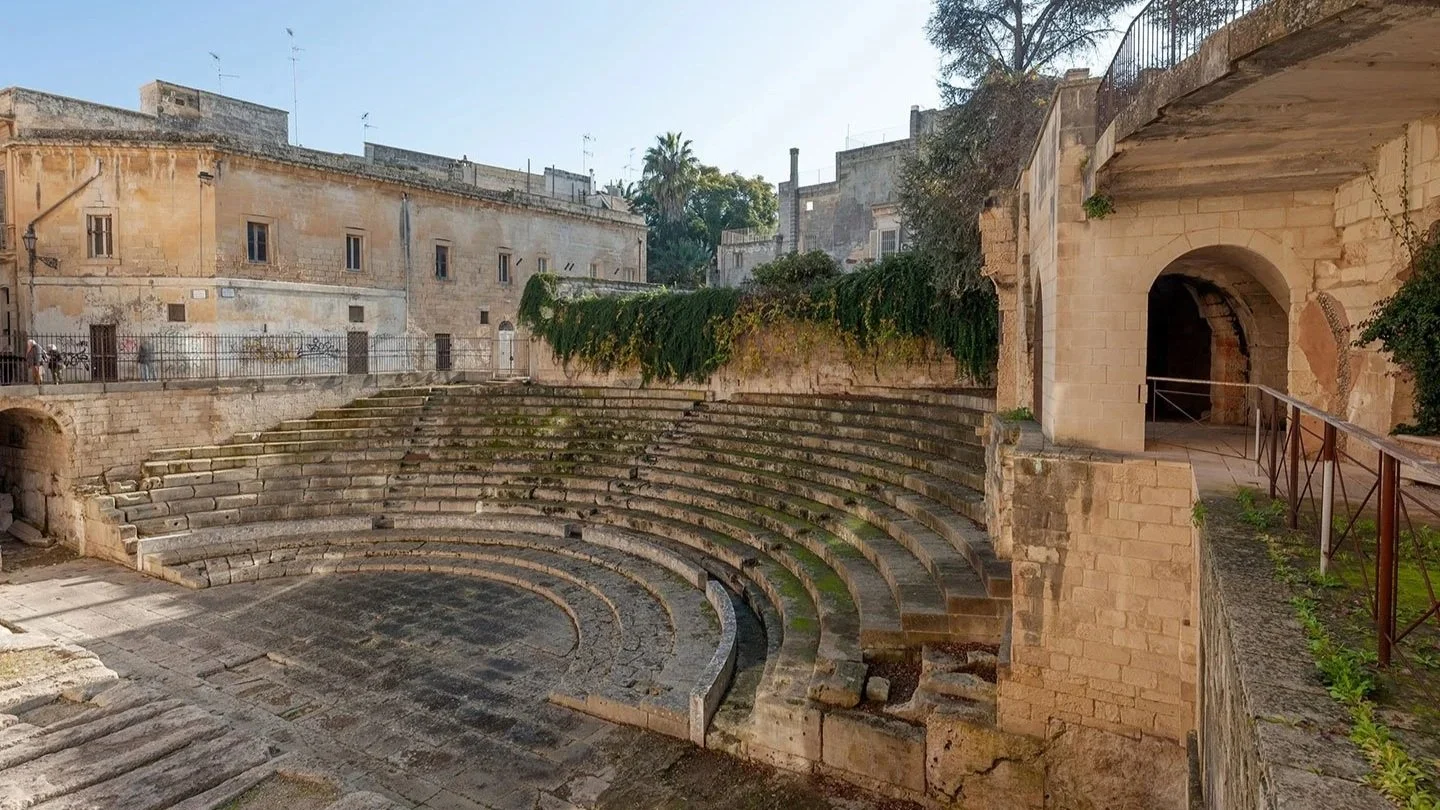
The Roman Theatre is located in the historic centre near the Church of Santa Chiara. It is smaller and less visually dominant than the amphitheatre in Piazza Sant'Oronzo, so it is easy to overlook when moving between the main squares.
The site has its own access arrangements and seasonal opening information. The municipality currently lists tourist visits through the Roman Theatre Museum, with access on weekday afternoons and advance booking for holidays.
Museo Faggiano
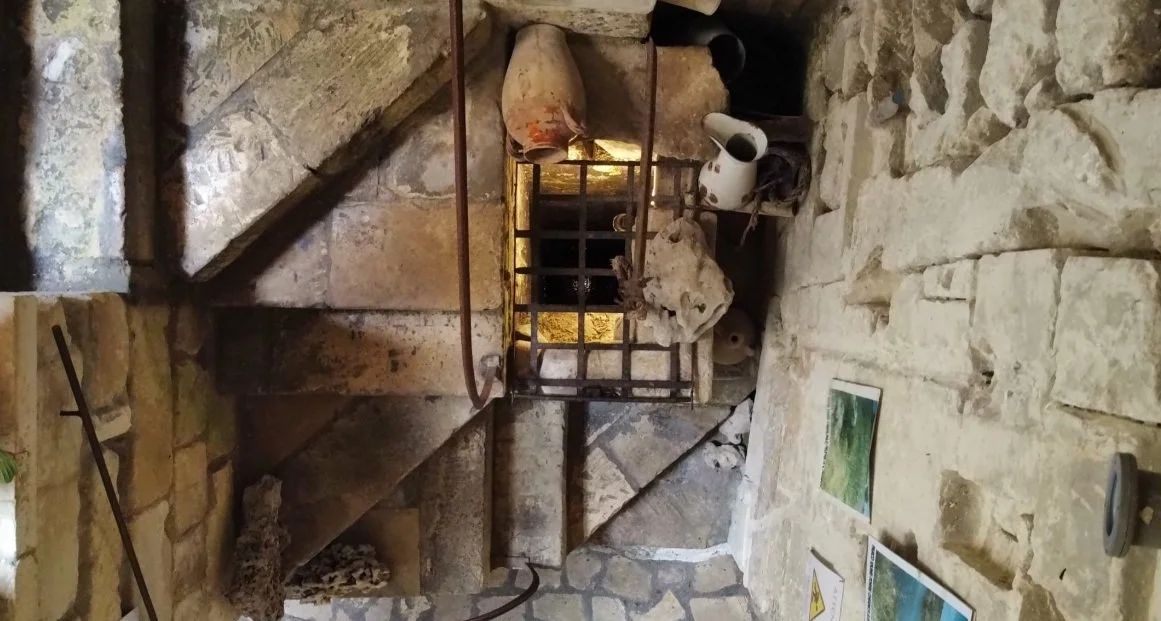
The Museo Faggiano offers a very different look at Lecce. It occupies a private historic building where archaeological remains were uncovered during renovation work.
The museum contains evidence from different periods, including Messapian, Roman, medieval and Renaissance phases. The official museum website currently lists daily opening from 9:30 to 20:00.
This is a useful addition if you want archaeological details that are difficult to see while simply walking between Lecce's churches and squares.
The Baroque Churches Beyond Santa Croce
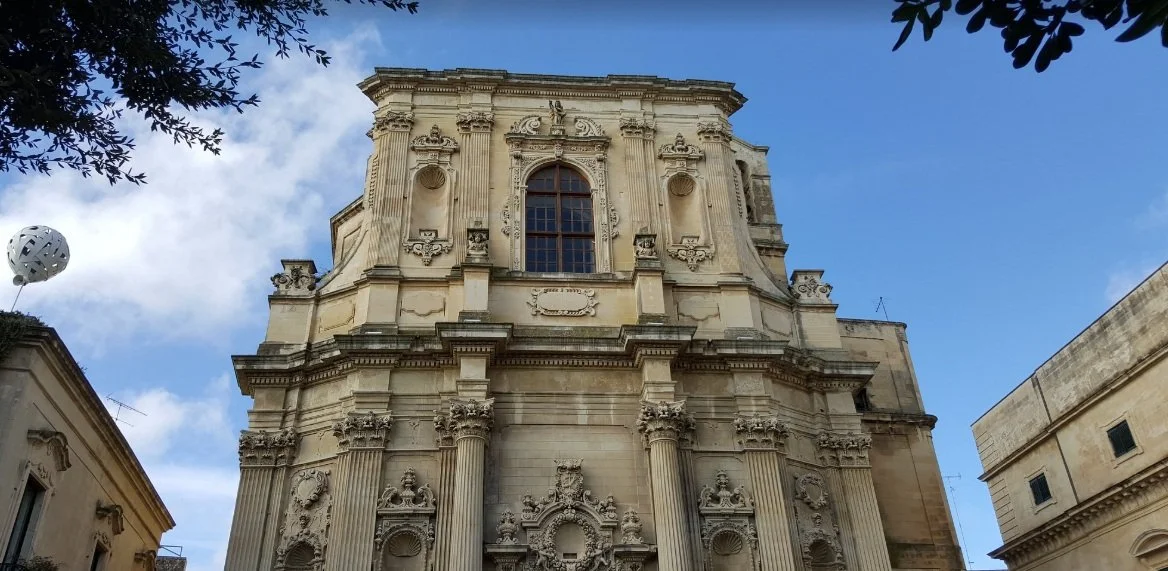
If architecture is a major reason for your visit, the LeccEcclesiae circuit allows you to extend the central walk to San Matteo and Santa Chiara, alongside the Cathedral, Santa Croce and the Antico Seminario.
You do not need to treat every church as a separate essential stop. For a short visit, choosing two or three interiors gives you a clearer balance between architecture and time spent walking through the city.
A Self-Guided, Unusual Way to Explore Lecce

There is another practical issue when planning what to do in Lecce: deciding how to connect the sights.
If you want a ready-made walking route that mixes major landmarks with hidden gems and smaller details, ClueGo Lecce follows a 3 km riddle route with nine stops, starting at Porta Rudiae and finishing around Piazza Sant'Oronzo. The route includes Santa Croce, Lecce Cathedral, Castello Carlo V and the Roman Amphitheatre, alongside less obvious places and details.
The best part? You don’t have to keep dozens of tabs open on your smartphone nor figure out how to structure your visit because ClueGo literally guides you stop after stop.
The experience runs through a smartphone Web App, so there is no app download. You start independently, follow the route from one stop to the next and solve observation-based puzzles along the way. The Lecce trail takes about 2–3 hours without pauses, but you can pause and resume the route as many times as you like (and even split it in more than one day).
It can work as one part of a longer day in the city. Since monument and museum admission is not included, you can use the route for the outdoor sightseeing and add the interiors you want separately.
Explore the ClueGo Lecce trail
Can You See Lecce in One Day?
For the main sights, one day in Lecce is realistic.
The historic centre is compact enough to connect Piazza Sant'Oronzo, Santa Croce, Castello Carlo V and Piazza Duomo on foot. The main limitation is the amount of time you spend inside the attractions.
A practical first-day plan is:
Start around Piazza Sant'Oronzo and see the Roman Amphitheatre.
Walk towards Santa Croce and spend time around the Basilica.
Continue towards Castello Carlo V.
Move back into the historic centre for the streets, smaller churches and Teatro Romano.
Finish around Piazza Duomo and the Cathedral.
If you want to enter several monuments, check their opening hours first and choose the visits that matter most to you. The LeccEcclesiae sites operate on a shared schedule, but religious services can temporarily interrupt tourist access.
This approach lets you see the main architectural landmarks in one day without treating every museum or church as mandatory.
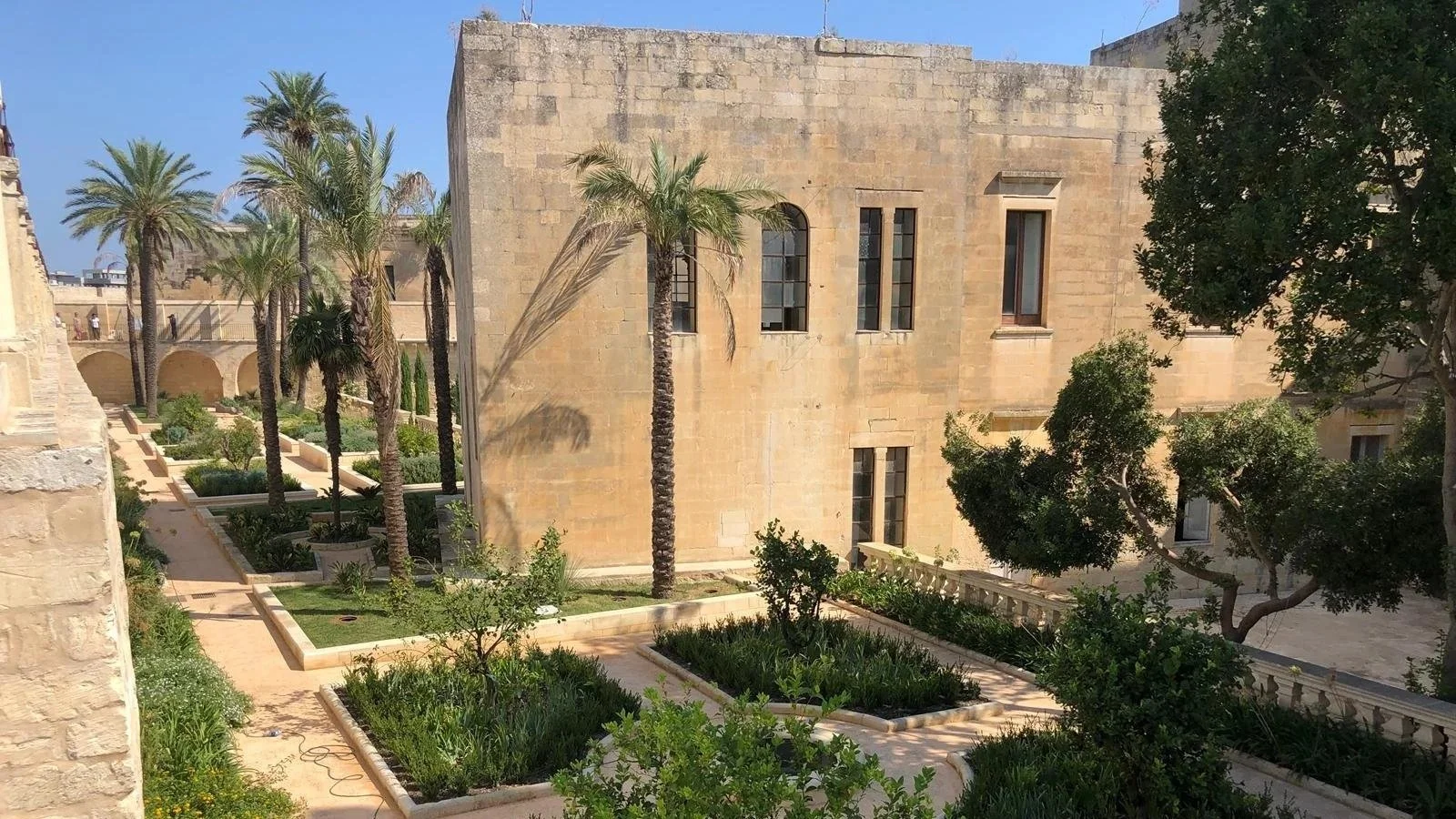
Mura Urbiche - Photo by comune.lecce.it
What to Add If You Have More Time
A second day becomes useful when you want to go beyond the compact central sightseeing route.
One option is Rudiae, the archaeological park associated with the ancient Messapian city outside the historic centre. The site contains another Roman amphitheatre, roughly 3 km from the amphitheatre in Piazza Sant'Oronzo.
That difference is interesting in itself: Lecce's Roman history is represented by two amphitheatres, one embedded in today's city centre and another outside it.
Extra time also allows you to visit more of the LeccEcclesiae sites, spend longer inside the Museo Faggiano or visit the Mura Urbiche and their Bastione San Francesco.
The Mura Urbiche are particularly different from the Baroque core. The visit includes elevated sections of the sixteenth-century defensive walls and underground spaces inside the bastion.
Frequently Asked Questions
-
For a first visit, focus on Piazza Sant'Oronzo and the Roman Amphitheatre, Basilica of Santa Croce, Piazza Duomo and Lecce Cathedral, and Castello Carlo V. Add Teatro Romano or Museo Faggiano if you have enough time for an indoor visit.
-
A one-day visit can cover most of the city's main historic-centre sights. A practical route connects Piazza Sant'Oronzo, Santa Croce, Castello Carlo V and Piazza Duomo, with time for selected interiors.
-
One day is enough to see the main sights in the historic centre. More time is useful if you want to visit several museums and churches in depth or add archaeological sites such as Rudiae.
-
The main priorities are the Roman Amphitheatre in Piazza Sant'Oronzo, Basilica of Santa Croce, Piazza Duomo and the Cathedral. Castello Carlo V is another major stop close to the central route.
-
The main sightseeing area of Lecce is compact and can be explored on foot. The principal Baroque monuments, Piazza Sant'Oronzo and Castello Carlo V can be connected without relying on public transport.
-
The Roman Amphitheatre, Teatro Romano, Museo Faggiano, Castello Carlo V and Mura Urbiche add archaeological and military history to the Baroque architecture. Rudiae offers a larger archaeological excursion outside the central route.