
Free Things to Do in Rome's Historic Centre: A Traveller's Guide
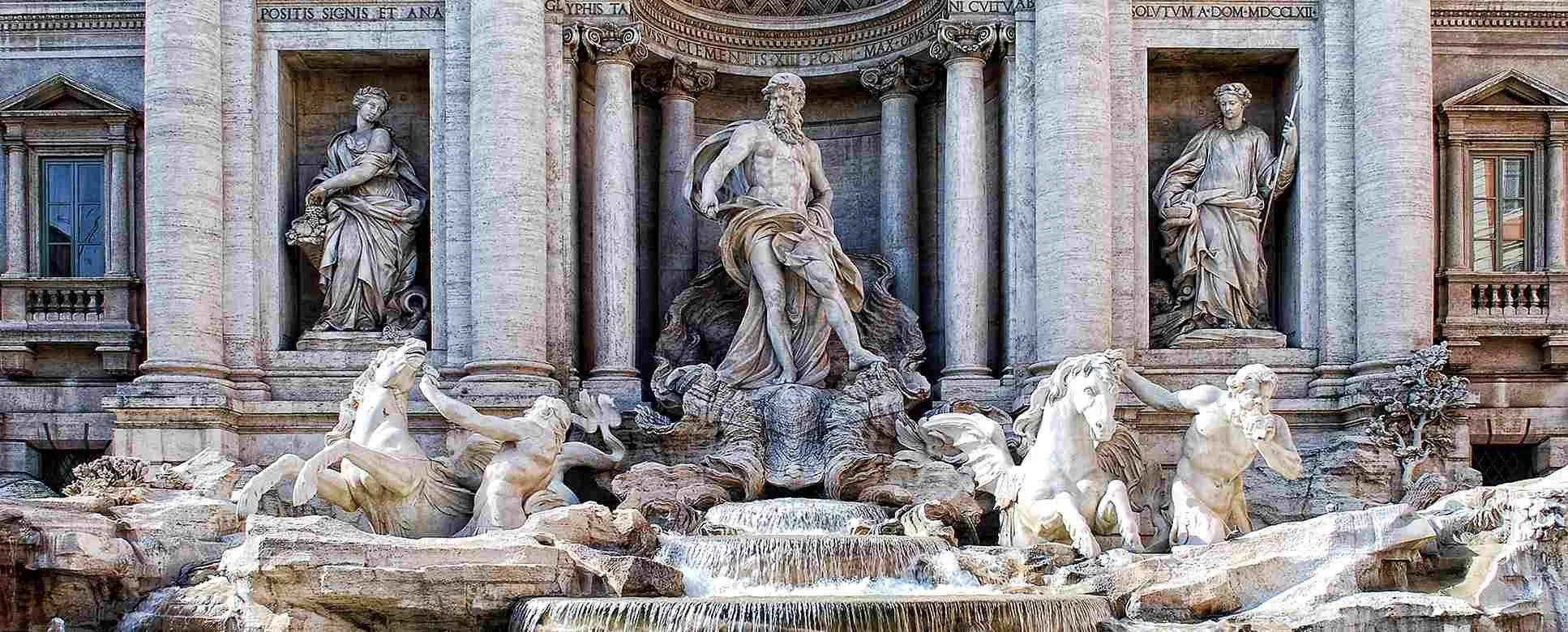
Photo by www.italia.it
Rome's historic centre rewards walking more than spending. Some of its best moments cost nothing at all: a church interior with three Caravaggio paintings, a terrace over the Roman Forum, an archaeological site you can see in full from the pavement. Others look free on travel blogs but aren't anymore, and getting that wrong on the day can mean queuing for a ticket you didn't expect to need.
This guide sticks to the historic centre, the compact grid of streets between Piazza Navona, the Pantheon, Campo de' Fiori and the Capitoline Hill, and checks each entry against the rule that actually matters here: is it free always, free only under specific conditions, or free to look at but not to enter.
In this guide:
Piazza Navona and Campo de' Fiori
Caravaggio for Free
Chiesa del Gesù and Its Daily Baroque Machine
The Ruins at Largo Argentina
The Capitoline Hill's Free Balcony
Free Museum Sundays
Low-Cost Things Worth the Small Price
A Different Way to See the Centre
FAQ
Piazza Navona and Campo de' Fiori: The Centre Costs Nothing to Walk
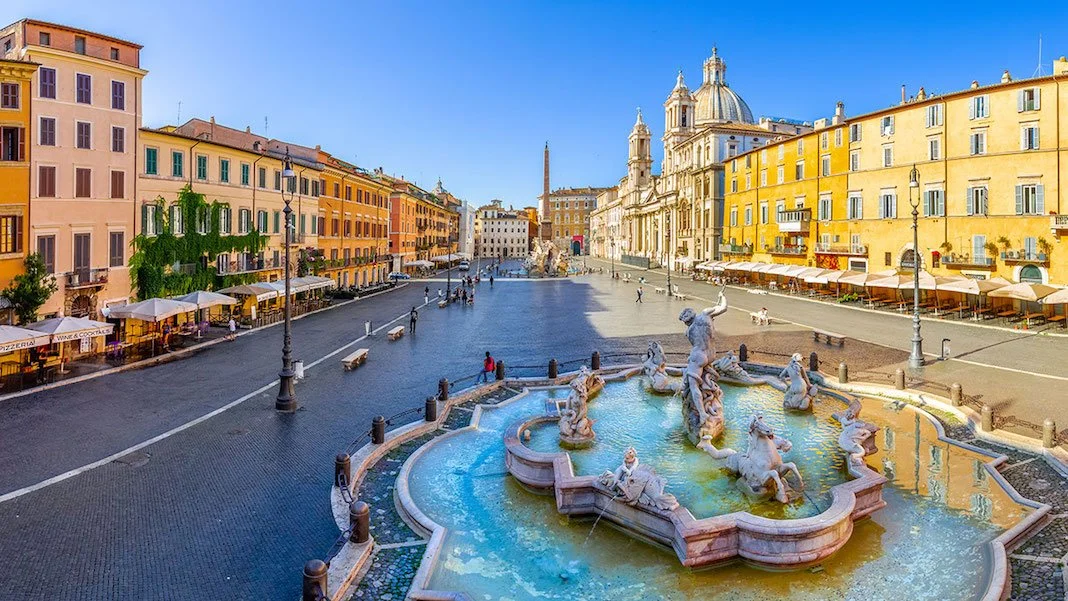
Photo by Nicola Forenza
Piazza Navona sits on the footprint of a Roman stadium, which is why it's a long oval rather than a square. Bernini's Fontana dei Quattro Fiumi in the centre and the smaller fountains at either end are free to see at any hour, and early morning (before 9:00) is the only time you'll get the square without street performers and crowds.
Campo de' Fiori, a five-minute walk south, runs a produce and flower market every day except Sunday, from around 7:00 to 14:00. It's the oldest market of its kind in Rome, held on this square since 1869. Entry is free; you're paying only if you buy something. By mid-afternoon the stalls come down and the same square turns into an aperitivo spot.
A word on the Trevi Fountain, since it's the one people assume is simply free: since 2 February 2026, stepping down into the fenced perimeter closest to the basin costs €2 for non-residents (free for Rome residents, under-6s and a few other categories). Standing in the piazza and looking at the fountain remains free, as it always has, and access reverts to free for everyone after 22:00. If your visit is a photo and a coin toss rather than a close look at the sculpture, you don't need the ticket at all.
Caravaggio for Free: Two Churches, Six Paintings
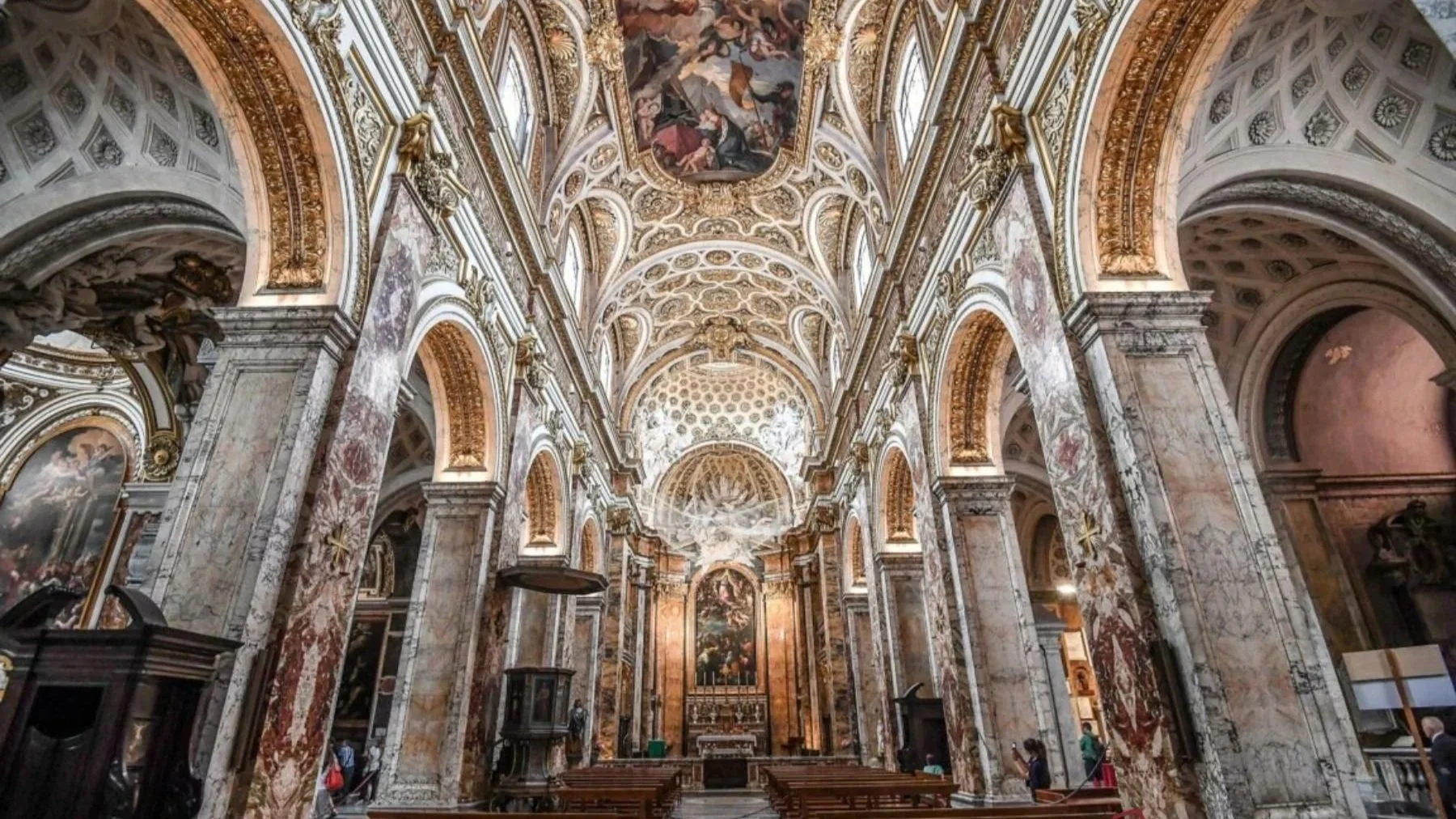
Photo by romaguida.com
Three of Caravaggio's most important paintings hang in San Luigi dei Francesi, a short walk from Piazza Navona. The Contarelli Chapel holds The Calling of Saint Matthew, The Inspiration of Saint Matthew and The Martyrdom of Saint Matthew, and seeing them costs nothing. Entry to the church is free; bring a €1 or €2 coin for the light box that illuminates the chapel, since the ambient light isn't enough to see the detail. The church is open daily except the first Wednesday morning of each month, roughly 9:30-12:45 and 14:30-18:15 on weekdays, with slightly shorter hours on Sunday morning.
Five minutes' walk away, Sant'Agostino opens earlier, at 7:30, with no midday closure, and holds Caravaggio's Madonna dei Pellegrini in the first chapel on the left, also free to see.
The Pantheon, two minutes further on, is the one exception worth flagging clearly: it's no longer a free stop. Since 2023 it charges €5 until 30 June 2026, then €7, with free entry for under-18s, Rome residents, and everyone on the first Sunday of the month, though a timed booking is still required even for the free slots.
The Ruins You Can See Without Buying a Ticket at Largo Argentina
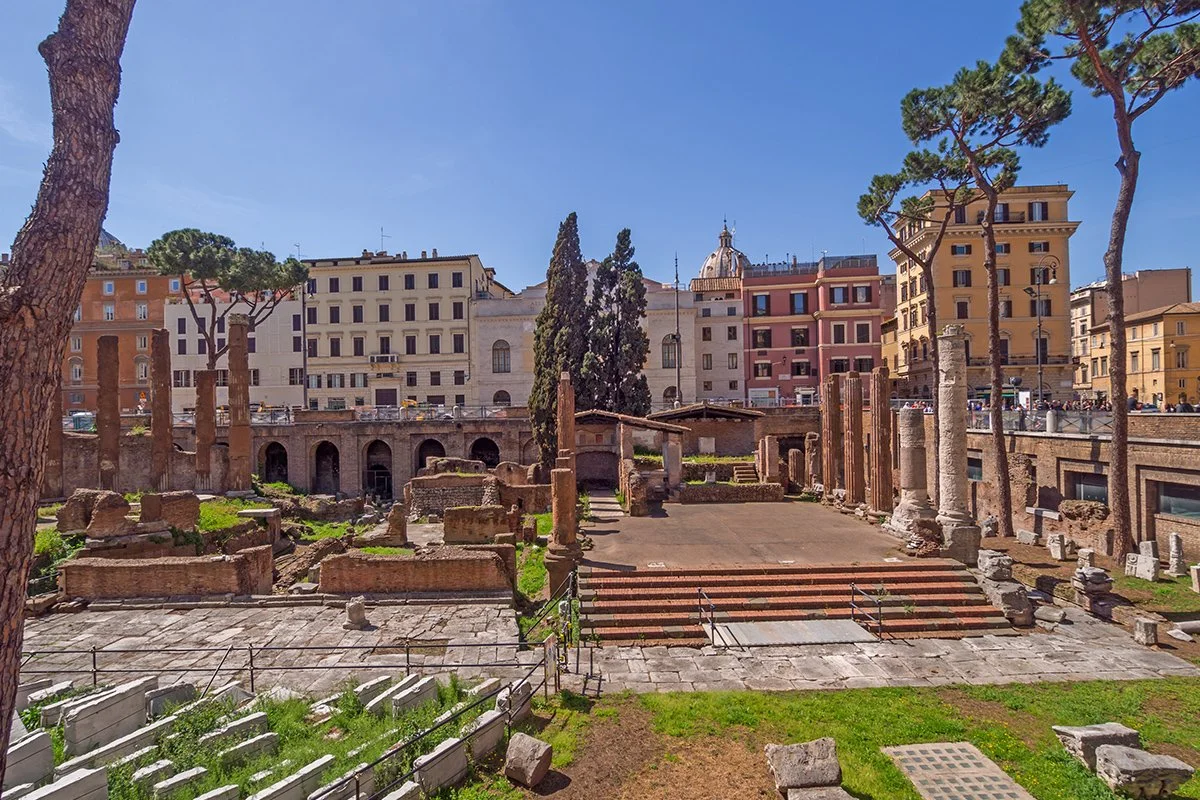
Photo by civitavecchia.portmobility.it
Largo Argentina is the square where four Republican-era temples sit below street level, on the spot where Julius Caesar was killed. Walking the raised paths among the ruins now requires a €7 ticket, but you can see all four temples in full by stepping up to the railings that ring the square at street level; the free view from above is, by most accounts, nearly as good as the paid one below.
The cat sanctuary that has lived among the ruins since the 1990s is a separate, genuinely free stop: entry is open daily from 12:00 to 16:30, donation-based, with volunteers on site who often speak English.
The Capitoline Hill's Free Balcony Over the Roman Forum
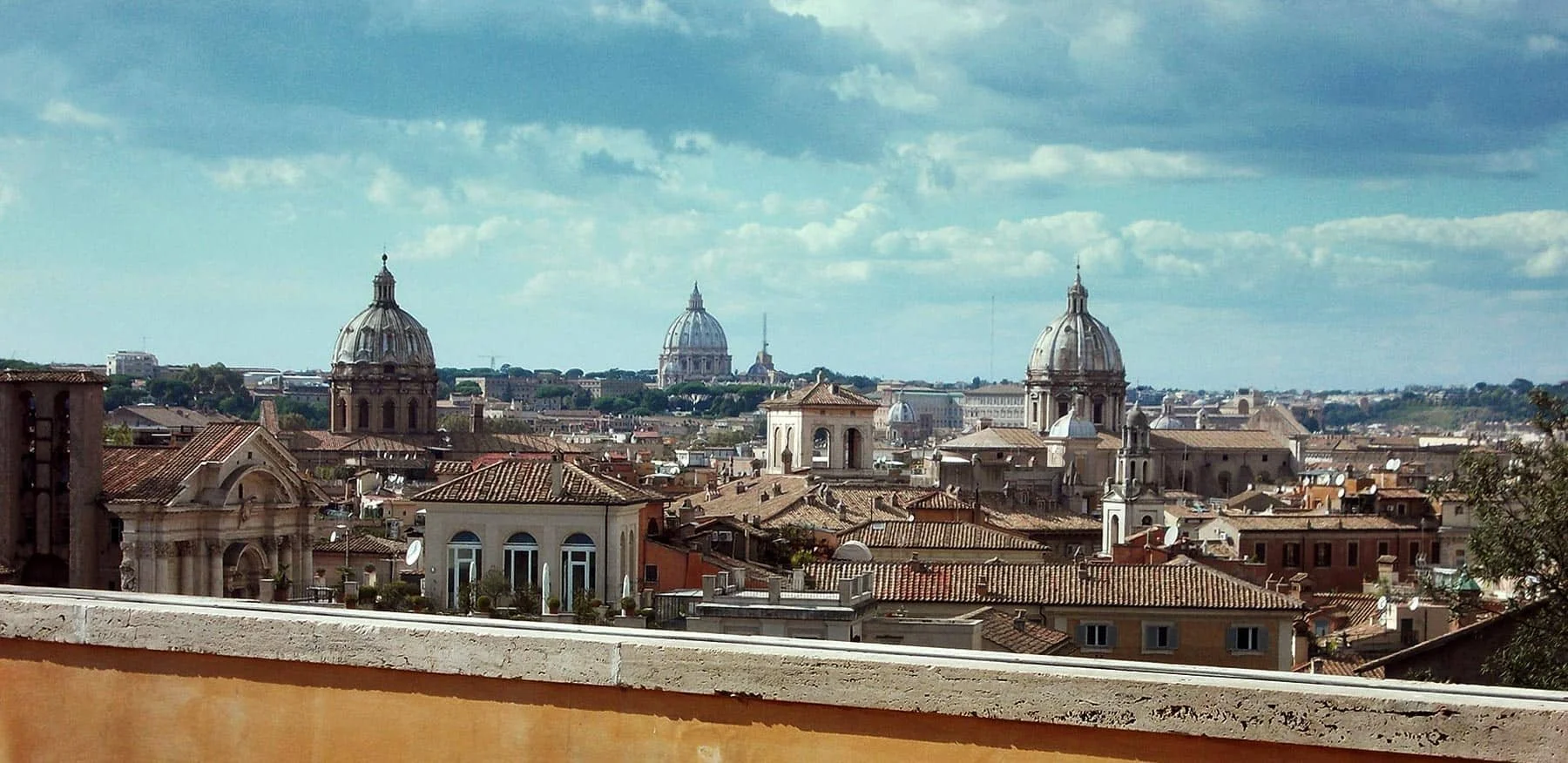
Photo by terrazzacaffarelli.it
The Capitoline Museums charge for entry, but two of their best views don't require a ticket. From Piazza del Campidoglio, walk along Via del Campidoglio between the Palazzo dei Conservatori and the Palazzo Senatorio to the Terrazza sul Foro, a free lookout over the Roman Forum.
The second, Terrazza Caffarelli, sits on the roof of the museums but has its own outside entrance: door number 4 on Piazzale Caffarelli, then two flights of stairs, with no ticket required if you're not visiting the museum itself. It's a working café up there, so nobody will move you along if you just want the view and don't buy anything.
Free Museum Sundays (and What They Don't Cover)
Rome runs two separate free-entry systems on the first Sunday of every month, and mixing them up is the easiest way to arrive at a closed door.
State sites (Colosseum, Roman Forum, Palatine, and the Pantheon among them) take part in the Ministry of Culture's #domenicalmuseo. In 2026 the dates are 4 January, 1 February, 1 March, 5 April, 3 May, 7 June, 5 July, 2 August, 6 September, 4 October, 1 November and 6 December. Booking is still required for most sites even on free days, and queues are longer than usual.
Civic sites, run separately by Roma Capitale, open free on the same Sundays: the Musei Capitolini (except the Villa Caffarelli exhibition space), Centrale Montemartini, Mercati di Traiano, and the Museo dell'Ara Pacis (except its temporary exhibition space). The Area Sacra di Largo Argentina and the Fori Imperiali archaeological walkway are also free that day, with entry compatible with site capacity rather than guaranteed. Neither system requires reservation for individual visitors on the civic side, though large groups do.
Low-Cost Things Worth the Small Price
Not everything in the centre is free, and it's worth being upfront about the ones that come close without quite qualifying. The Pantheon at €5 (rising to €7 in July) is genuinely one of the cheapest major monuments in Rome and, at 1,900 years old, still holds the record for the largest unreinforced concrete dome on earth. The Area Sacra di Largo Argentina's walkway, at €7, gets you closer to the ruins than the street-level view. The Trevi Fountain's €2 basin access is the smallest fee on this list by far.
None of these are free, so they don't belong in the categories above, but on a day built mostly around no-cost stops, any one of them is an easy, low-stakes add-on.
A Different Way to See the Centre, If You Have a Bit More to Spend

If you've already covered the free stops above and still have an afternoon left, or you're travelling with kids who've had enough of walking past things without doing anything, ClueGo runs a self-guided riddle trail through Rome's centre, Hidden Treasures Between the Colosseum, the Trevi Fountain, and the Pantheon. It's not free: the trail costs €19.99 per code, which covers a group rather than a person, so the per-head cost drops fast with more people.
It's a web app, so there's nothing to download, no fixed starting time, and no guide waiting for you: you receive access to a Web App, reach the starting point at Piazza Bocca della Verità and solve the riddles as you move through the city. The route finishes at the Colosseum.
You can start whenever you like, and can pause and resume across more than one day if needed.
It also reveals hidden gems, secret spots, fun stories, and local eateries that you would most likely miss otherwise.
None of the stops on the route require paying an entrance fee to a monument or museum; those are optional add-ons, not part of the trail itself. If the appeal of the centre for you is less about ticking off monuments and more about noticing what's actually in front of you, that's the gap this fills. Details and the current route map are on the Rome trail page.
Frequently Asked Questions
-
Walking it costs nothing. The two attractions most visitors assume are free, the Pantheon and the Trevi Fountain's inner perimeter, now charge €5-7 and €2 respectively, but neither is required to see the buildings from outside.
-
State-run sites (Colosseum, Roman Forum, Pantheon) under #domenicalmuseo, and separately, civic sites (Musei Capitolini, Ara Pacis, Mercati di Traiano, Largo Argentina) under Roma Capitale's own scheme. Booking rules differ between the two.
-
Yes. San Luigi dei Francesi and Sant'Agostino both hold Caravaggio paintings and are free to enter every day, no ticket or booking involved.
-
The piazza and the view are free. Stepping down to the fenced area next to the basin costs €2 for non-residents, waived after 22:00.