
Hidden Gems and Unusual Things to Do in Rome to surprise your friends (even locals!)
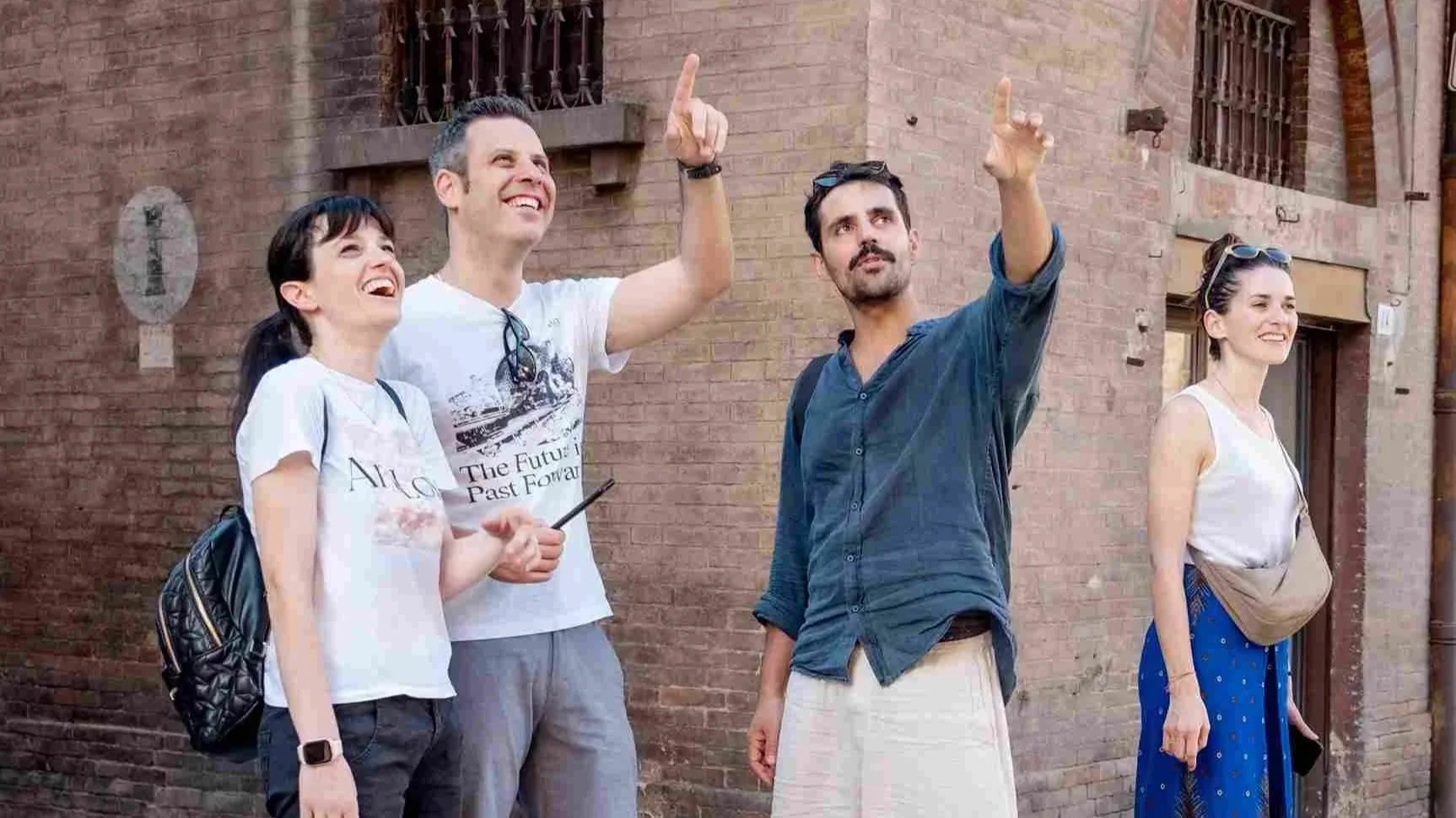
Photo by italianartventures.com
You have already seen the Colosseum, thrown a coin into the Trevi Fountain and walked through Piazza Navona. Now you want to find different things to do in Rome, preferably somewhere you can walk past without realizing there is anything unusual there.
That is what this list focuses on. These are places and experiences that are specific to Rome, relatively easy to add to a day in the historic centre, and interesting for a concrete reason. Some are genuinely easy to miss; others are small places sitting remarkably close to Rome's biggest sights.
Hidden corners and unusual places in central Rome
Arco dei Banchi: a Renaissance passage hidden near Castel Sant'Angelo
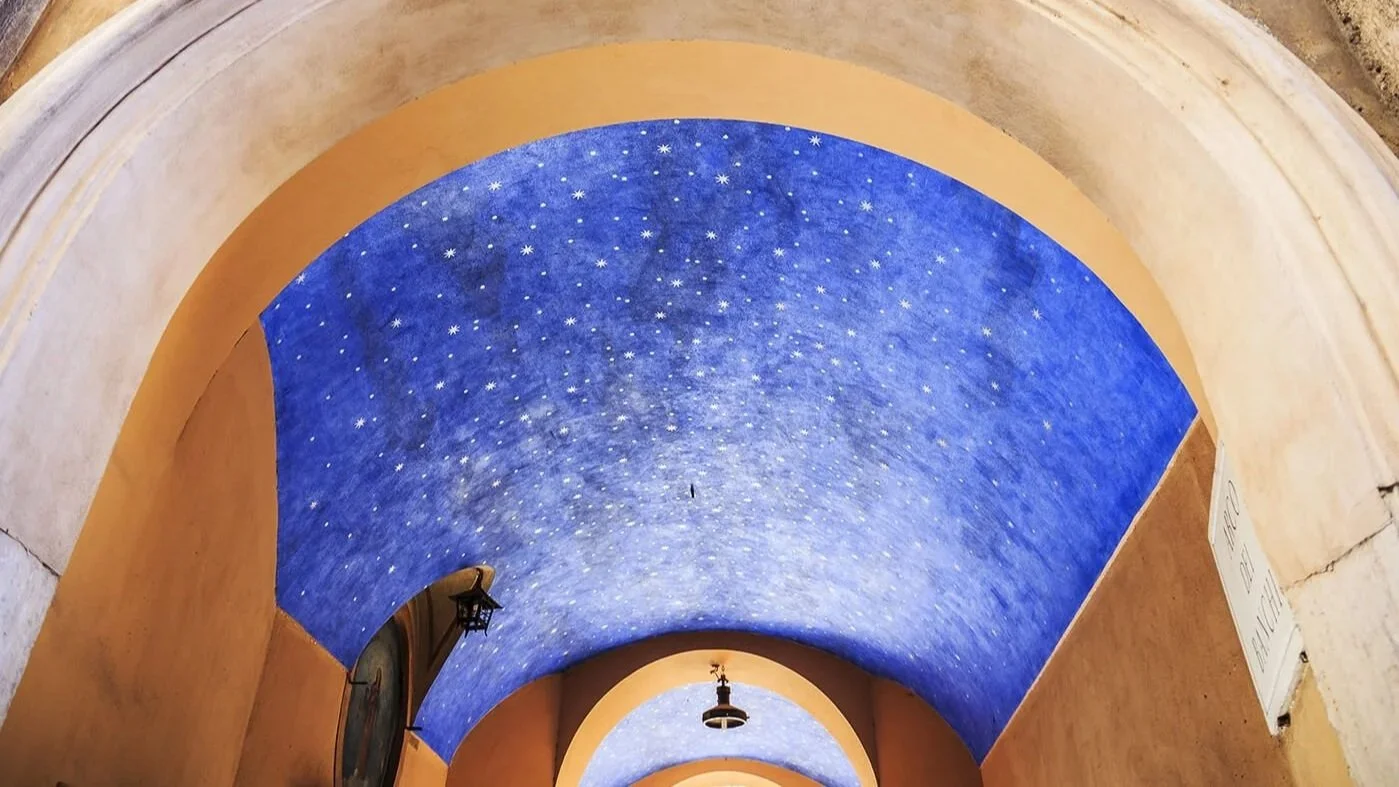
A few steps from Ponte Sant'Angelo, Arco dei Banchi is a covered passage connecting Via del Banco di Santo Spirito with Via Paola. It is easy to walk straight past it while heading towards the Vatican, which is precisely why it works well as one of the lesser-known places in Rome.
The passage has a very Roman history. Its name comes from the banks and money-changing businesses that once occupied this area, while its position reflects the importance of the route used by pilgrims travelling towards St Peter's.
Look at the walls as you walk through rather than treating it as a shortcut. The passage preserves traces of the commercial and religious life that developed around this route over the centuries.
ClueGo Rome: explore the centre through clues and riddles
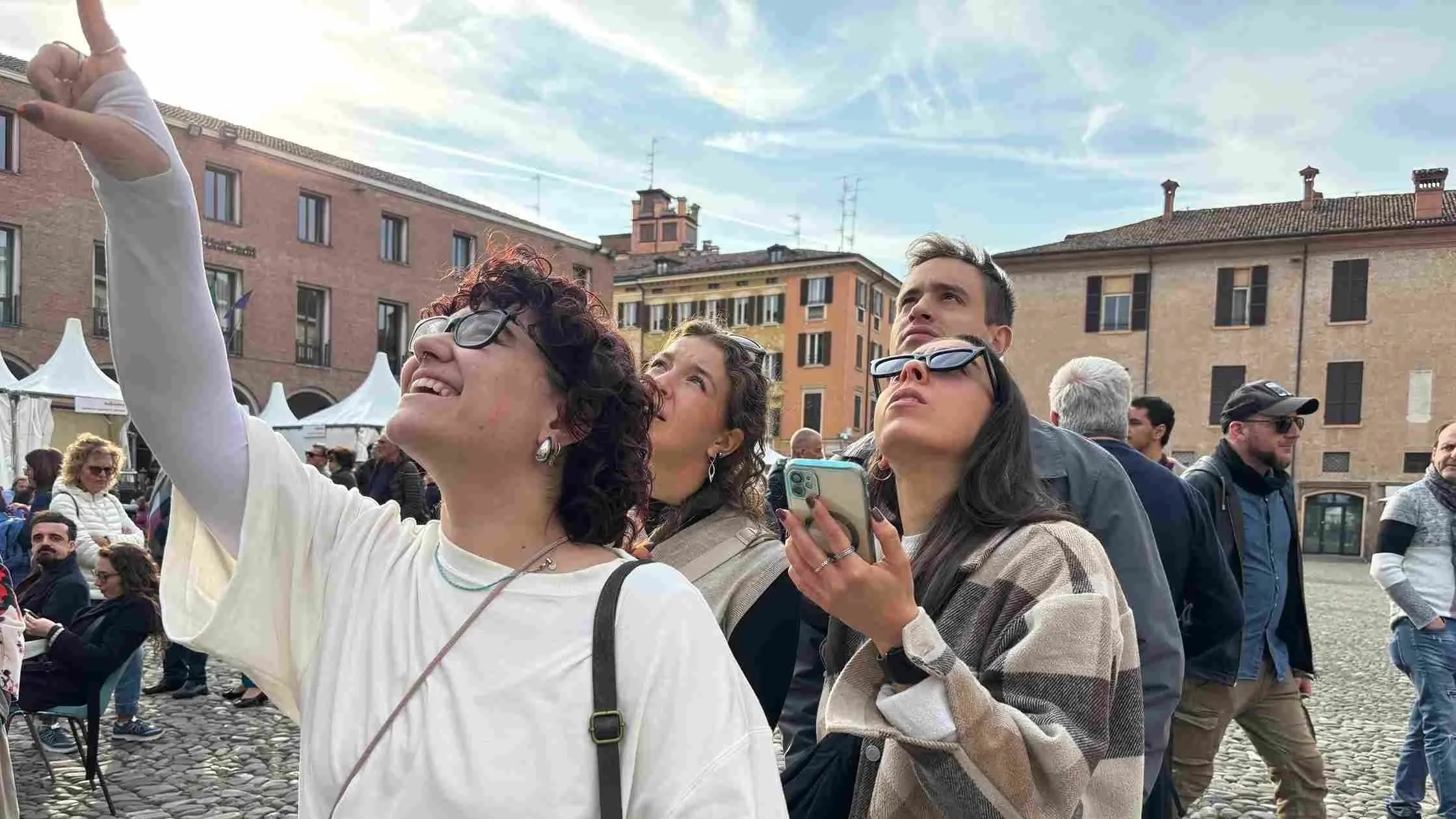
If you want an unusual thing to do in Rome rather than another place to photograph, ClueGo turns the historic centre into a self-guided puzzle walk.
The Rome route covers about 5 km and 10 stops, taking roughly 3–4 hours without long breaks. It starts at Piazza della Bocca della Verità and finishes at the Colosseum, passing places including Piazza Navona, the Pantheon, Trevi Fountain and the Imperial Forums.
The difference is in how you move through them. Instead of following a guide at a fixed time, you use a Web App on your phone and solve clues based on details around you. There is no app download, no guide and no fixed start time, and the game can be paused and continued later within the route's validity period.
The best part? You don’t have to keep dozens of tabs open on your smartphone nor figure out how to structure your visit because ClueGo literally guides you stop after stop.
It also reveals hidden gems, secret spots, fun stories, and local eateries that you would most likely miss otherwise.
The route is available in English and Italian and costs €19.99 per group of up to five people. It is played outdoors, so entering individual monuments is separate from the game.
Passetto del Biscione: look for the painted passage near Campo de' Fiori
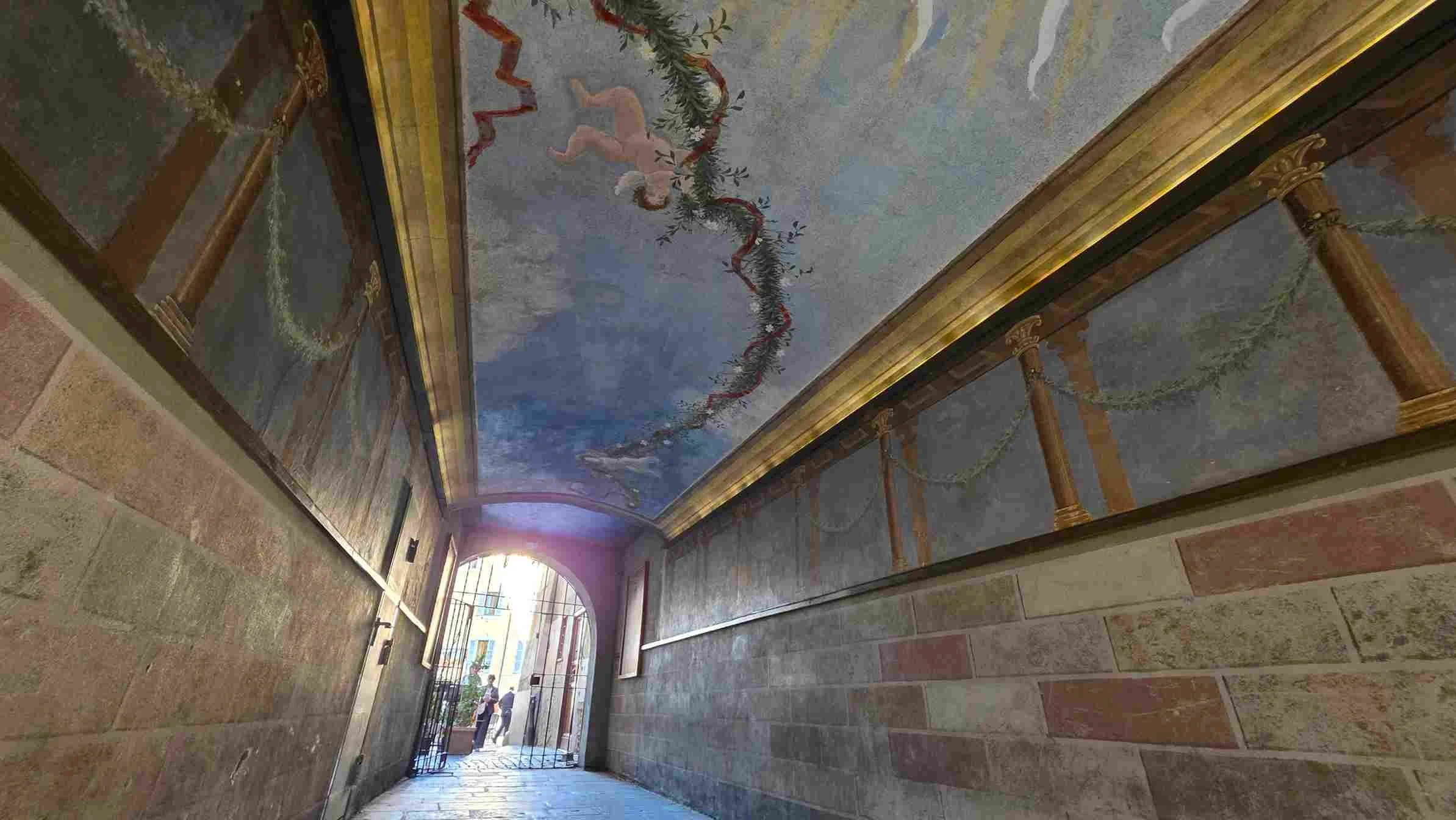
Between Via di Grotta Pinta and Piazza del Biscione, just a few metres from Campo de' Fiori, a covered passage cuts through the buildings almost unnoticed.
This is Passetto del Biscione, whose history reaches back to the ancient Theatre of Pompey. The passage once connected the theatre's auditorium with the outside, while the current structure preserves painted decorations with cherubs and festoons.
Its name is connected to the Orsini family's coat of arms, which featured an eel. The passage also gave rise to the Roman expression andare a cercare Maria per Roma, because a sixteenth-century image of the Madonna once stood here in such a concealed position that finding it was notoriously difficult.
This is a place to look for rather than a place you need to schedule around a museum visit. Walk through slowly and look up.
Galleria Sciarra: an Art Nouveau courtyard beside Trevi
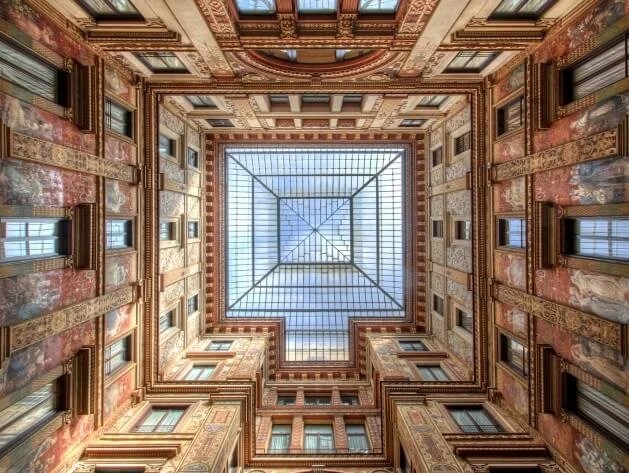
Photo by lasinodoro.it
Galleria Sciarra is one of the more surprising places to look for near the Trevi Fountain. The entrance gives little indication of what is inside: a covered courtyard decorated with an elaborate late-19th-century cycle of paintings.
The building belongs to Palazzo Sciarra Colonna di Carbognano, and the covered walkway was created during the transformation of Rome after the city became the capital of Italy. The paintings by Giuseppe Cellini represent female virtues and scenes of everyday life.
The location makes this particularly useful if you are already around Trevi. You can move from one of the busiest areas of Rome into a much more contained architectural space within a few minutes.
Current listings indicate access during weekday office hours, generally Monday to Friday. Because the courtyard belongs to a working building, check access on the day rather than planning your itinerary around it.
Underground Rome
Vicus Caprarius: Roman ruins nine metres below Trevi
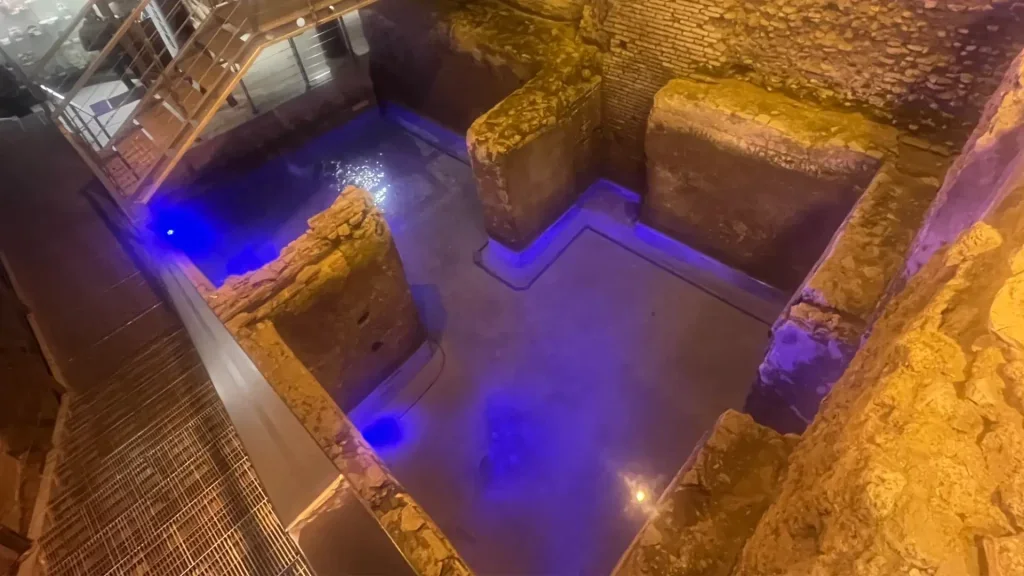
You do not have to leave the Trevi area to find one of Rome's most interesting underground sites.
Vicus Caprarius – the City of Water lies more than nine metres below today's street level. The archaeological complex was uncovered during renovation work on a former cinema and opened to visitors in 2004.
Among the remains is a castellum aquae, a water tank connected with the Aqua Virgo. Water still flows through the ancient system today. The site also preserves residential structures and objects found during excavation, including a collection of more than 800 coins.
The contrast with the streets above is the reason to come here. At street level, you are in one of Rome's busiest tourist areas; underground, you are looking at several layers of the neighbourhood's much older history.
The site is currently open Tuesday to Sunday, 11:00–17:00. Reservations are highly recommended on weekdays and mandatory on weekends and public holidays.
Galleria Spada: the nine-metre corridor that looks much longer
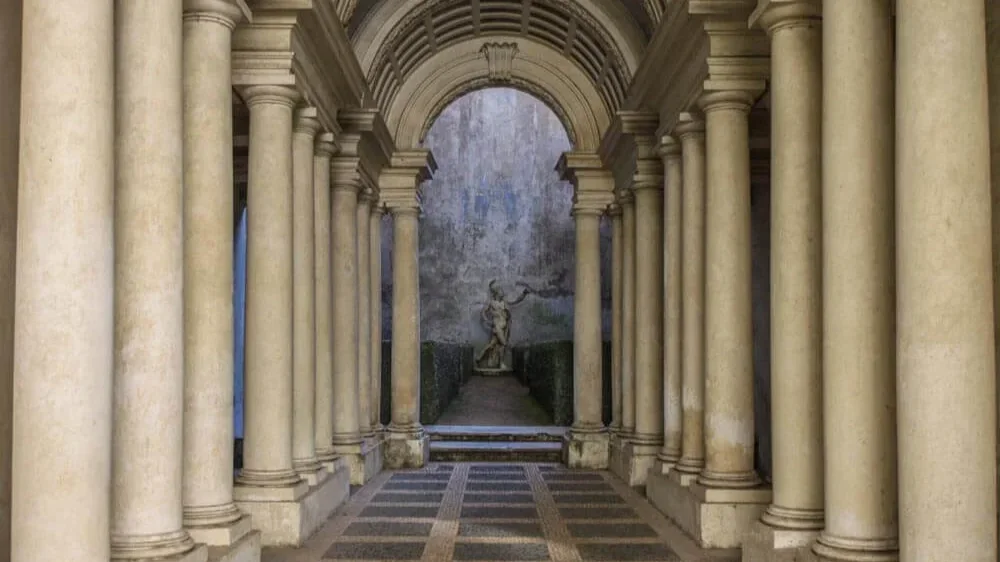
Photo by lasinodoro.it
Galleria Spada is better known than most of the places on this list, so it needs a specific reason to be here: Borromini's forced-perspective gallery.
The corridor is only about nine metres long. Its converging walls and rising floor make it appear considerably deeper than it really is, creating one of the clearest examples of Baroque perspective tricks in Rome.
The illusion is particularly interesting because it is not a visual effect added to an artwork. The architecture itself has been designed to manipulate your perception of distance.
The museum is in Piazza Capo di Ferro, behind Campo de' Fiori. The current full admission price is €6, with individual visitors not required to reserve in advance. It is open Monday and Wednesday to Sunday from 8:30 to 19:30 and closed on Tuesdays. Access to the Secret Garden, where the perspective gallery is located, ends at 18:30.
If you have already seen Rome's major Baroque churches, this is a different way to encounter the same architectural culture: through geometry rather than a grand interior.
Small places with a very specific story
Case Romane del Celio: four centuries underneath a quiet Roman street
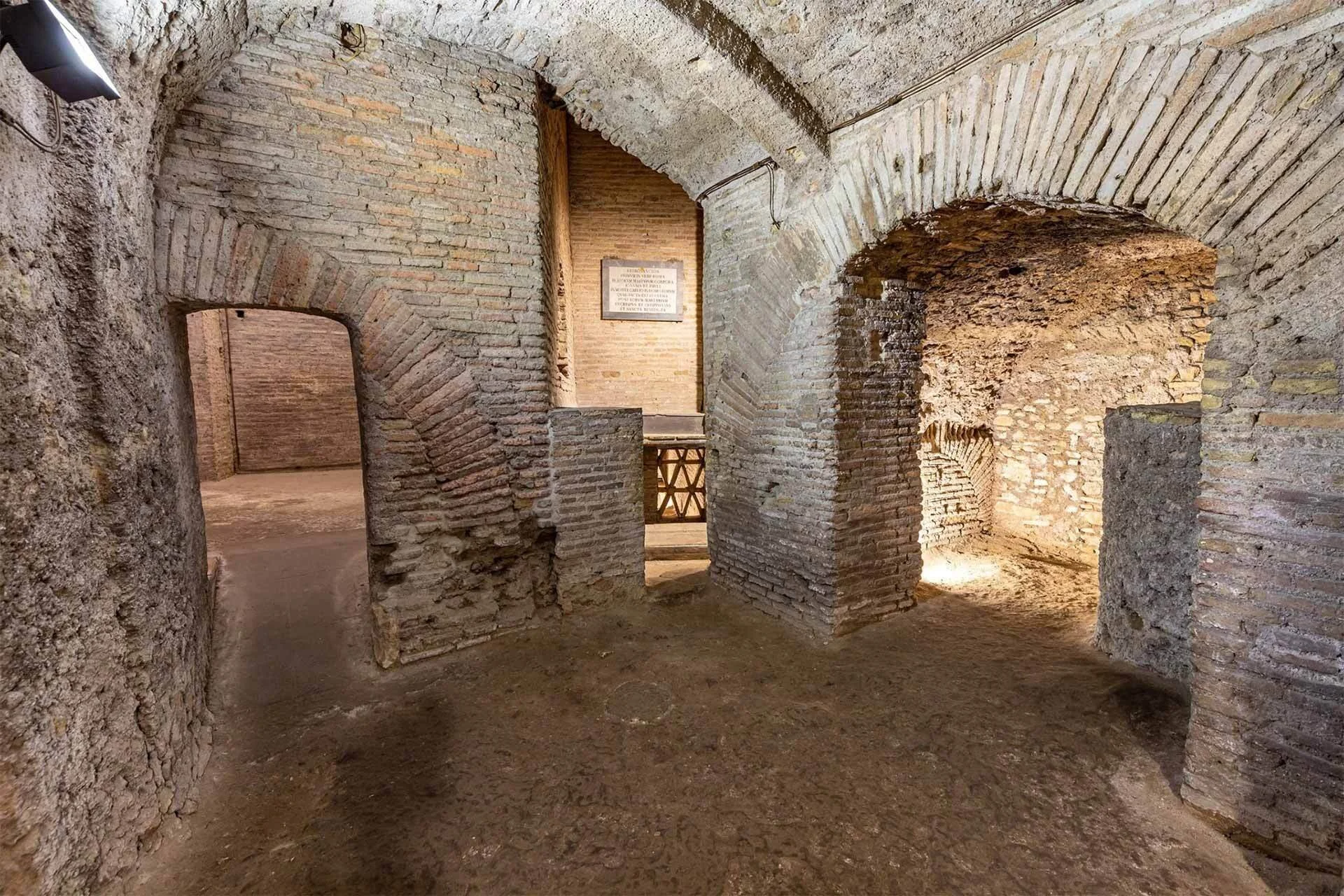
Photo by caseromanedelcelio.it
On Clivo di Scauro, below the Basilica of Santi Giovanni e Paolo, Case Romane del Celio preserves twenty underground rooms decorated with frescoes.
The complex documents more than four centuries of changes. What began as shops and storage spaces developed into houses, including a private residence with a bathing installation, before the area acquired a Christian religious function.
The archaeological layers are what make the visit unusual. You are not looking at one isolated Roman house: the rooms show how the same urban space was repeatedly altered and reused between the first and fourth centuries.
The entrance is on an ancient Roman street whose original route has survived on the Celio. The site currently opens Monday, Wednesday, Friday, Saturday, Sunday and public holidays from 10:00 to 16:00, with the ticket office closing one hour earlier.
It is a particularly useful stop if you want to see underground Rome without returning to the same imperial monuments that dominate most first-time itineraries.
Museo delle Anime del Purgatorio: a tiny museum built around strange evidence
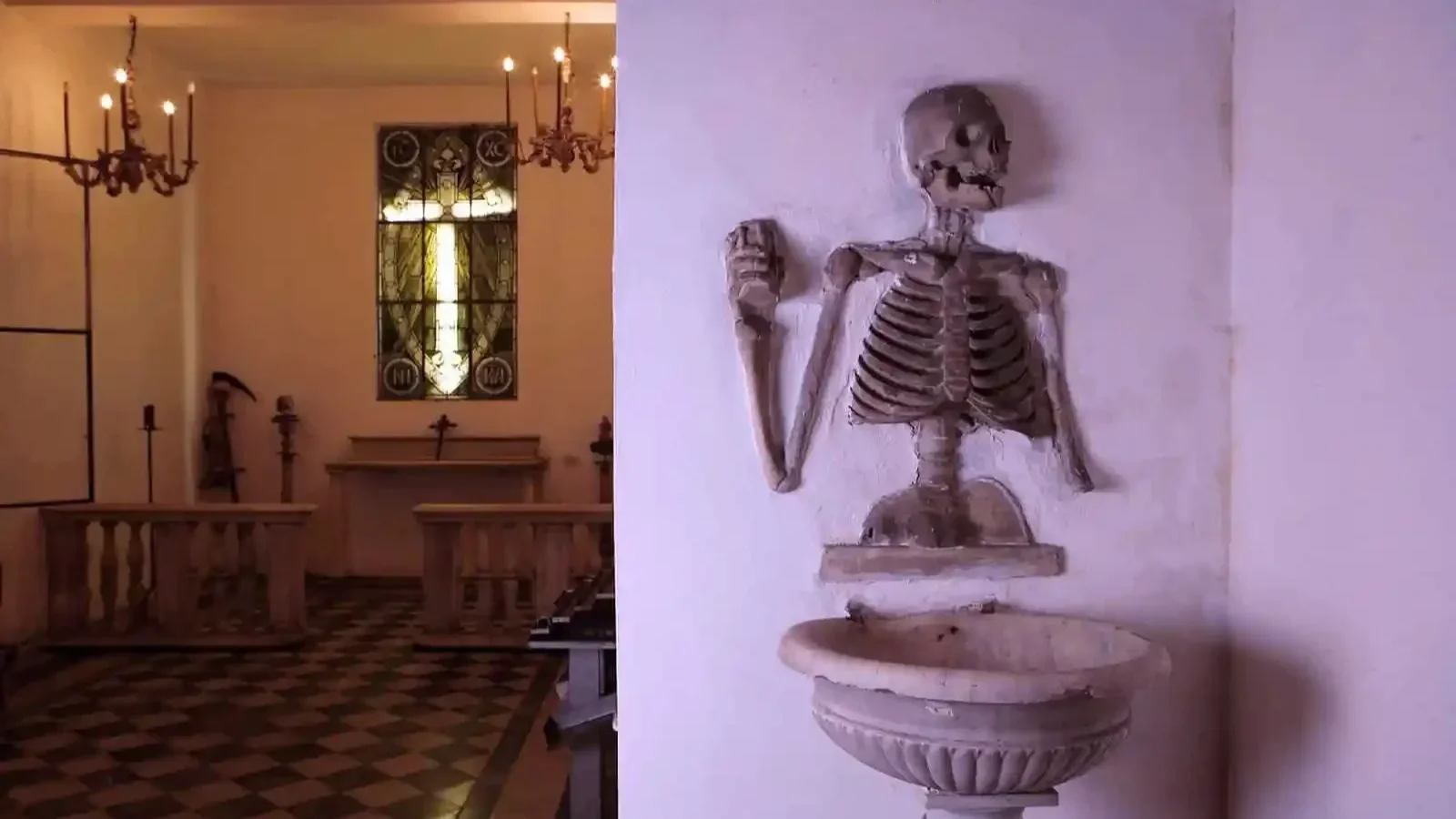
Photo by estateromana.com
On Lungotevere Prati, inside the neo-Gothic Church of the Sacred Heart of Suffrage, there is a museum devoted to a very specific subject: alleged manifestations of souls from Purgatory.
The Museum of the Souls of Purgatory was created after a fire in 1897. Father Victor Jouet believed that the marks left after the fire were evidence of a supernatural event and subsequently travelled around Europe collecting objects and documents connected with alleged apparitions.
The small collection includes fabrics, religious garments, breviaries, wooden tablets and photographic reproductions of supposed “fire handprints”. The important distinction is that these are preserved as historical religious testimonies and traditions; the museum does not turn them into scientifically established evidence.
The museum is tiny and has no standard published opening timetable. Rome's official tourism information recommends contacting the museum for current visiting conditions, so check before making the detour.
It is a particularly odd little stop for anyone interested in the stranger side of Rome's religious history.
Frequently Asked Questions
-
For places in or very close to the historic centre, start with Arco dei Banchi, Passetto del Biscione, Galleria Sciarra and Vicus Caprarius. They are all substantially easier to miss than the major monuments and each has a specific reason for visiting.
-
If you want an activity rather than another monument, ClueGo Rome is one option: it turns a walking route through central Rome into a self-guided puzzle experience using clues and riddles.
-
The area around Campo de' Fiori, Via del Corso, Trevi and the streets between the Tiber and Pantheon contains several small places that are easy to overlook, including the Arco dei Banchi, Passetto del Biscione and Galleria Sciarra.
-
ClueGo can work well for families because the route is self-guided and the riddles include hints and solutions if needed. The route is recommended from age seven, although younger children can still take part with adults.
-
Galleria Sciarra is useful if you want something different from the usual Roman postcard: the covered courtyard combines an iron-and-glass roof with painted walls. Passetto del Biscione offers another compact photographic subject, with its decorated ceiling and walls close to Campo de' Fiori.
-
Not all of them. “Hidden gem” is used here in the practical travel sense: places a visitor following only Rome's headline attractions is less likely to encounter. Some, such as Galleria Spada, are well known among art lovers but contain a specific experience that many visitors miss.