
What to Do and See in Parma in One Day (plus an extra tip for an unusual tour)
If you are planning what to do in Parma, the useful question is not how many museums you can fit into one day. Parma's historic centre is compact, so the better approach is to combine its major sights with the experiences that make the city distinctive: food, music, elegant streets, small shops and the parks along the Parma River.
If you are deciding what to see and do in Parma, Italy, one full day can cover most of the historic centre at a comfortable pace. You will need more time if you want to visit several museums in depth, take a food tour or visit a Parmigiano Reggiano dairy outside the city.
In this guide:
The essential sights in Parma
Things to do beyond the main monuments
Food experiences worth making time for
How to see the main highlights in one day
What to leave for another visit
A practical walking route
ClueGo in Parma
Frequently asked questions
What to See in Parma: The Essential Sights
Parma's main sights are concentrated in a relatively small area. The most useful way to explore them is to connect the Pilotta and Teatro Regio area with Piazza Duomo, then continue towards San Giovanni Evangelista and the former Convent of San Paolo.
Visit the Pilotta Complex and Teatro Farnese
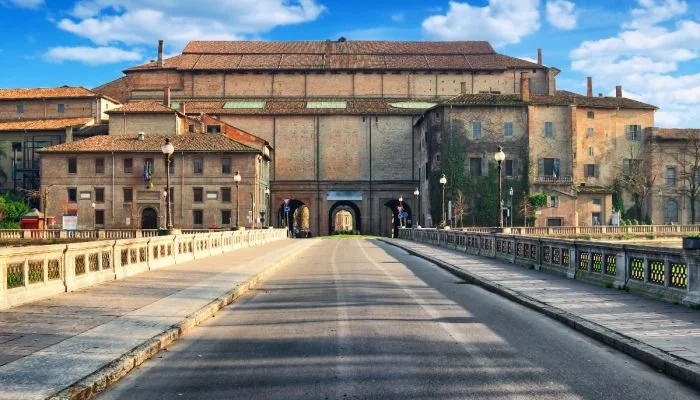
Start with the Pilotta Monumental Complex, one of the largest cultural complexes in central Parma.
The former Farnese palace contains several important collections, including the National Gallery, the Farnese Theatre and the historic Palatine Library. The wooden Teatro Farnese is particularly unusual: its monumental interior was built almost entirely in wood and originally opened in 1628.
If you are interested in art, history or architecture, this is the visit most likely to take a substantial part of your morning. The complex is large enough that trying to see everything quickly can make the experience less rewarding.
Walk through Piazza Duomo
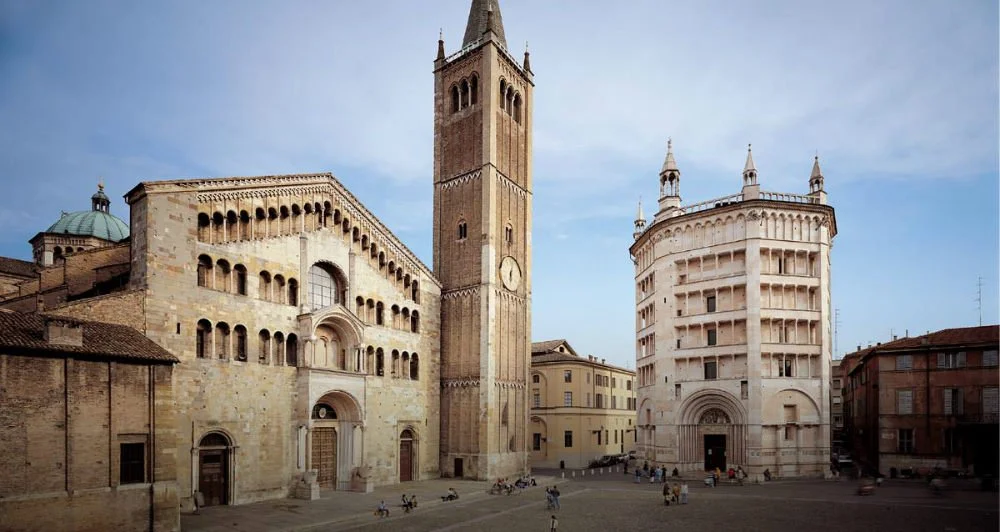
From the Pilotta, continue towards Piazza Duomo, where Parma's Cathedral and Baptistery stand side by side.
The Cathedral is one of the city's major Romanesque buildings, but the interior is particularly important for the frescoes by Correggio. Look up at the dome before moving on: the Assumption of the Virgin occupies the entire surface and is one of the best-known works associated with the artist.
The octagonal Baptistery, built in pink Verona marble and designed by Benedetto Antelami, gives the square a very different architectural character.
Step inside San Giovanni Evangelista
Behind the Cathedral, the Abbey and Church of San Giovanni Evangelista are an easy addition to the same walk.
The church contains another important work by Correggio: the frescoes of the dome. Because it is only a few minutes from Piazza Duomo, it makes more sense to combine the two rather than treating it as a separate destination.
See Correggio's Camera di San Paolo
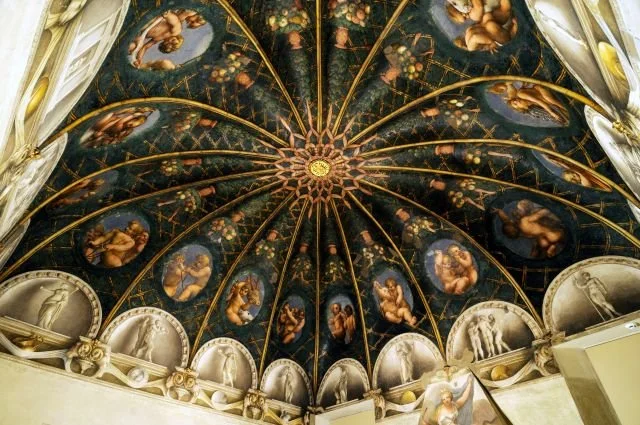
The Camera di San Paolo, inside the former convent of San Paolo, is one of Parma's more unusual Renaissance interiors.
Correggio decorated the room's vault with an elaborate illusionistic scheme commissioned by the abbess Giovanna da Piacenza. The effect is very different from looking at a conventional church fresco because the decoration was designed for a private room rather than a large religious interior.
Things to Do in Parma Beyond Sightseeing
Parma works particularly well for travellers who want to do more than move between monuments. Food, music, walking and everyday city life are all part of the experience.
Taste Parma's famous food
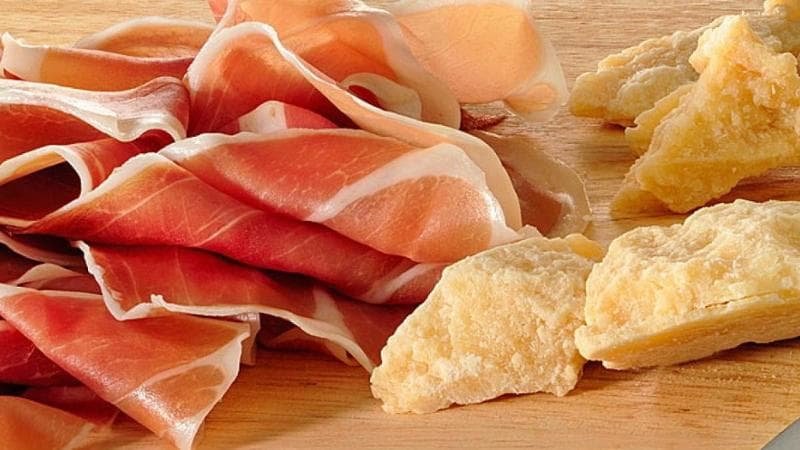
You cannot really plan what to do in Parma Italy without making time for food.
Parma is a UNESCO Creative City of Gastronomy, and its most famous products are not simply souvenirs. Parmigiano Reggiano and Prosciutto di Parma are produced in the surrounding territory and can be explored through tastings, food tours and visits to producers.
In the city centre, you can also stop at delicatessens, food shops and restaurants to try local specialities such as tortelli d'erbetta, anolini and other Emilia-Romagna pasta dishes.
Visit a Parmigiano Reggiano dairy
For a more substantial food experience, visit a Parmigiano Reggiano dairy outside the city.
Producer visits can show the different stages of cheesemaking, from milk processing to ageing, and can include a tasting at the end. These visits require planning and reservation, so they are better treated as a dedicated experience rather than something to add spontaneously between two museums.
Explore Parma's food shops
If you do not have time for a producer visit, you can still experience Parma's food culture in the historic centre.
Look inside the traditional delicatessens and food shops around the centre rather than simply buying packaged products at the end of your trip. Prosciutto di Parma, Parmigiano Reggiano, Culatello di Zibello, Salame Felino and local pasta are among the products associated with the area.
It is one of the easiest things to do in Parma because you can combine it with the sightseeing route.
Walk through the Ducal Park
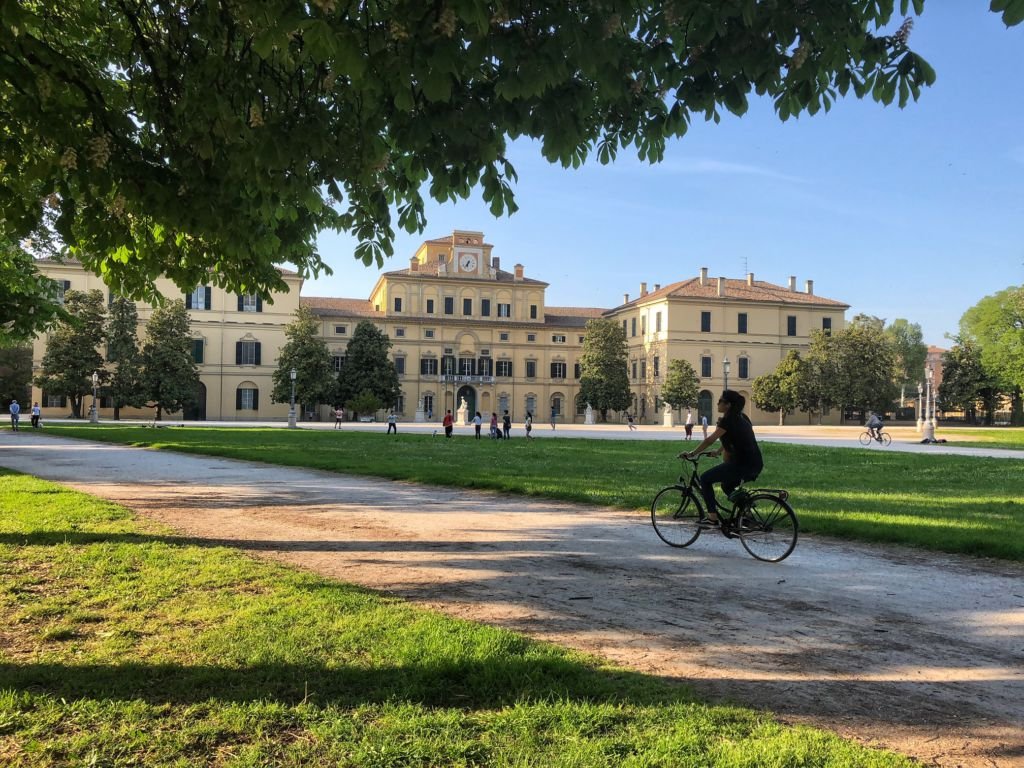
For a change of pace, cross the Parma River and walk through Ducal Park.
The park dates back to the 16th century and was later redesigned in the French style before being transformed again under Marie Louise. It contains the Ducal Palace and the Palazzetto Eucherio Sanvitale, as well as long tree-lined paths and sculptures.
It is also a useful stop if you are travelling with children or simply need a break after visiting museums. Entry is free.
Follow Parma's musical side
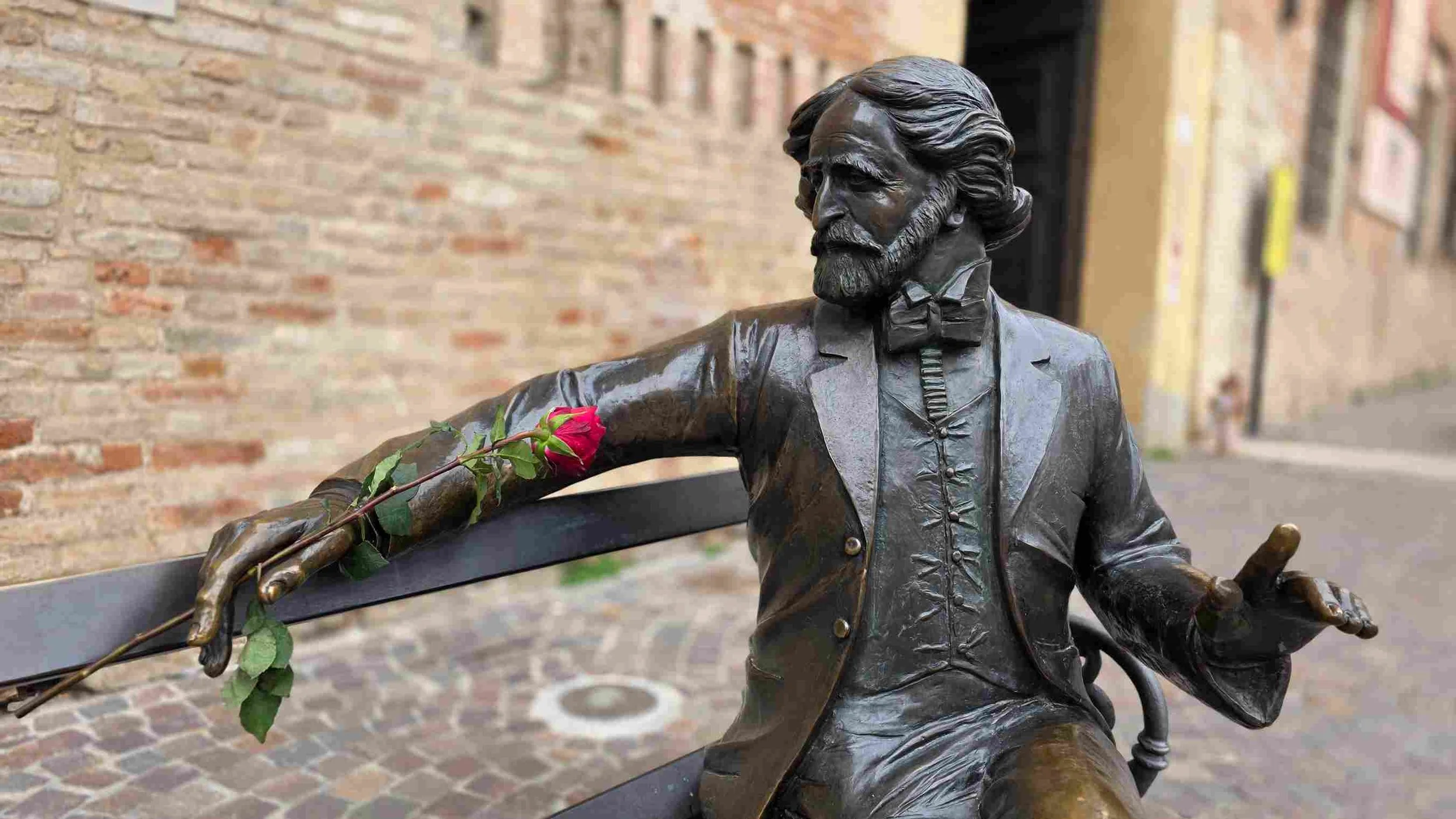
Parma's connection with opera is not limited to the name of Giuseppe Verdi.
The Teatro Regio was built between 1821 and 1829 under Maria Luigia and remains one of the city's defining cultural institutions. Depending on when you visit, you may be able to attend an opera, concert or Festival Verdi event.
If there is no performance that fits your schedule, you can still explore Parma's musical heritage through places such as the House of Music and the Opera on Stage Museum.
Browse the markets
If your visit coincides with a market day, adding a local market can make the day feel less like a sequence of monuments.
Parma has weekly markets selling food, clothing and other goods in different parts of the city. Piazza Ghiaia and Piazzale della Pace are among the recurring locations, although schedules vary by day and season.
Check the current timetable before making a market part of your itinerary.
A Practical Walking Route Through Parma
For a first visit, a logical route is:
Pilotta Complex
Teatro Regio
Piazza Duomo
Parma Cathedral
Baptistery
San Giovanni Evangelista
Camera di San Paolo
Food stop
Ducal Park
The route keeps the main sights close together and leaves the food experience flexible. You can stop for lunch around the centre before continuing towards the park, or use the park as a quieter end to the afternoon.
If your priority is food rather than museums, reverse the balance: spend less time inside collections and use the central streets for delicatessen stops, a food tour or a booked producer visit outside town.
This is also why Parma works well without a car for the historic centre. The main cultural sights are close enough to connect on foot; the car becomes more useful when you start adding producers, castles and destinations in the surrounding countryside.
An Unusual Way to Walk the Centre: ClueGo Riddle Tour
There is another practical issue when planning what to do in Lecce: deciding how to connect the sights.
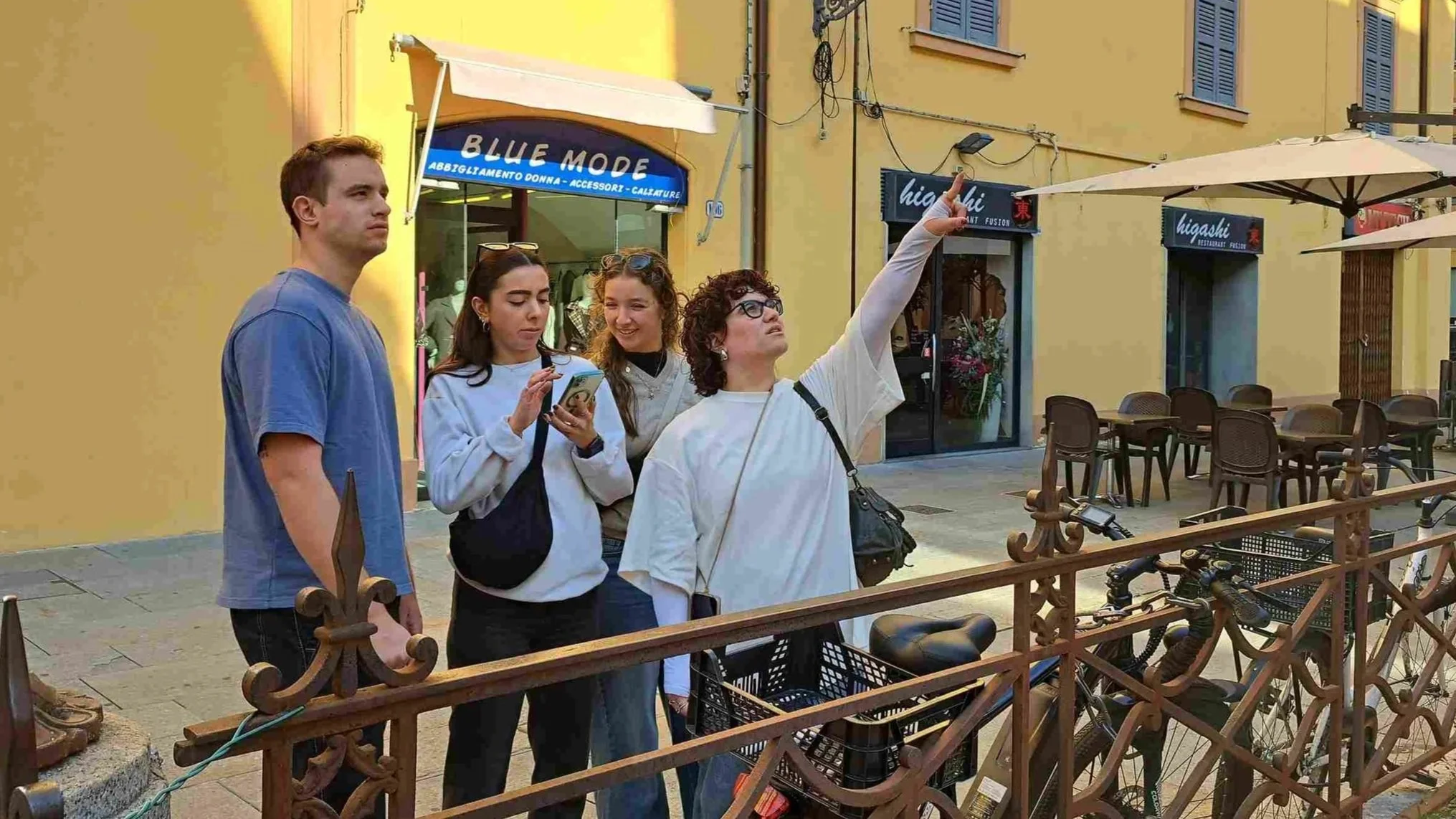
If you want a ready-made walking route that mixes major landmarks with hidden gems and smaller details, ClueGo Parma follows a 3 km riddle route with nine stopsincluding the Pilotta, Cathedral and Baptistery, Piazza Garibaldi, Teatro Regio and Casa della Musica, alongside less obvious places and details.
The best part? You don’t have to keep dozens of tabs open on your smartphone nor figure out how to structure your visit because ClueGo literally guides you stop after stop.
The experience runs through a smartphone Web App, so there is no app download. You start independently, follow the route from one stop to the next and solve observation-based puzzles along the way. The Parma trail takes about 2–3 hours without pauses, but you can pause and resume the route as many times as you like (and even split it in more than one day).
It can work as one part of a longer day in the city. Since monument and museum admission is not included, you can use the route for the outdoor sightseeing and add the interiors you want separately.
Explore the ClueGo Parma trail
What to Leave for Another Day
A Parmigiano Reggiano or Prosciutto producer
A producer visit is one of the best things to do around Parma, but it takes you outside the city and requires advance planning.
If food is one of the main reasons for your trip, it may be worth dedicating a half day to the Food Valley rather than trying to fit a dairy visit into an already full historic-centre itinerary.
Torrechiara Castle
Torrechiara Castle is one of the most interesting additions if you have a second day or a car.
The castle stands in the Parma hills rather than in the city centre, so it does not make sense to force it into a walking itinerary around the Cathedral and Pilotta. It works much better as part of a countryside excursion, potentially combined with local food and wine experiences.
More time at the museums
If you enjoy art, Parma rewards a slower visit.
The Pilotta alone can take several hours if you want to spend meaningful time in the National Gallery, Farnese Theatre and Palatine Library. Adding more museums and musical collections is therefore a question of interest rather than simply available walking time.
Frequently Asked Questions
-
The strongest combination is visiting the Pilotta, Cathedral and Baptistery, exploring Correggio's works, eating local specialities and walking through the city centre and Ducal Park. If you have more time, add a food producer visit.
-
Focus on the Pilotta, Teatro Regio, Piazza Duomo, Cathedral, Baptistery and San Giovanni, then leave time for lunch and a walk through the centre. Camera di San Paolo and Ducal Park can be added depending on how much time you spend inside the museums.
-
Yes. The main historic centre is compact and many of its most important sights are within walking distance. One day is enough for a strong first visit, although food experiences outside the centre and deeper museum visits require additional time.
-
Parma is particularly associated with Parmigiano Reggiano and Prosciutto di Parma, but the local food tradition also includes Culatello di Zibello, Salame Felino, anolini, tortelli and other products from the surrounding Food Valley.
-
Yes. The historic centre is compact, and the main museums and monuments are only a short walk from one another. A car becomes more useful when you leave the city for food producers, castles and other destinations in the Parma countryside.