
What to Do and See in Ravenna: How to Get the Most out of your Visit even in One Day
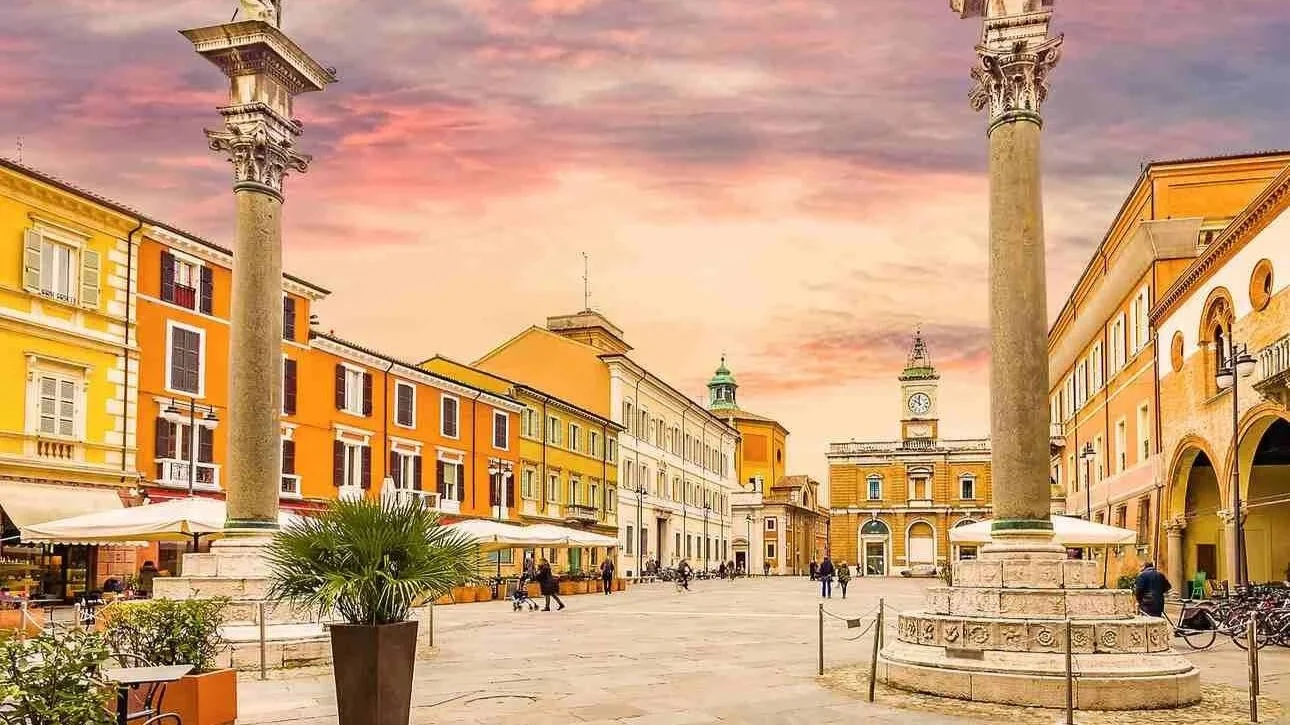
If you are wondering what to do in Ravenna, the answer is not limited to ticking off its famous UNESCO monuments. The historic centre is compact enough to explore on foot, and its mosaics appear in churches, archaeological sites, workshops, street signs and contemporary artworks.
For a short visit, the trick is to combine the major sights in a sensible order and leave enough time to actually experience the city. You can see the main historic centre in one full day, but some worthwhile places sit outside the core and deserve a separate visit rather than being squeezed into the same itinerary.
In this guide:
The main sights you should see in Ravenna
Things to do beyond the UNESCO monuments
How to fit the highlights into one day
What to leave for another visit
A practical walking route
ClueGo in Ravenna
Frequently asked questions
What to See in Ravenna: The Essential Sights
Ravenna's biggest draw is its concentration of early Christian and Byzantine monuments. Eight buildings form the city's UNESCO World Heritage site, but you do not need to visit all eight to understand why Ravenna is famous.
Basilica of San Vitale
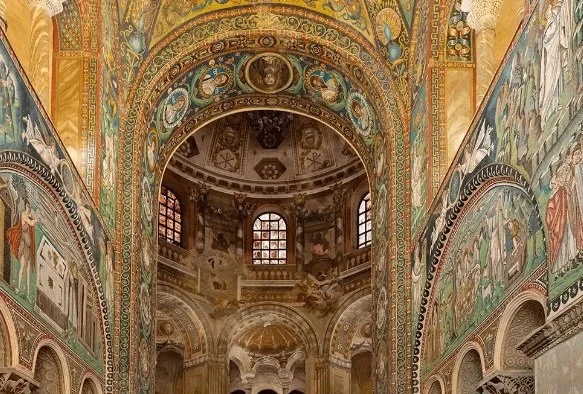
Start with San Vitale, especially if this is your first visit. The octagonal basilica contains some of Ravenna's most important mosaics, including the famous imperial panels depicting Justinian and Theodora.
Its location also makes it an efficient first major stop because Galla Placidia and the Domus of the Stone Carpets are only a short walk away.
Mausoleum of Galla Placidia
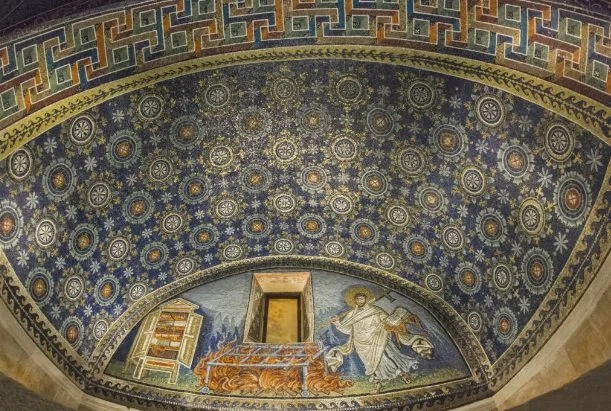
Next door, the Mausoleum of Galla Placidia is much smaller than San Vitale but one of the most memorable interiors in Ravenna. Its dark blue mosaic vault is covered with a field of stars, creating a very different atmosphere from the larger basilicas.
Do not judge it from the outside. The real reason to visit is inside.
Basilica of Sant'Apollinare Nuovo
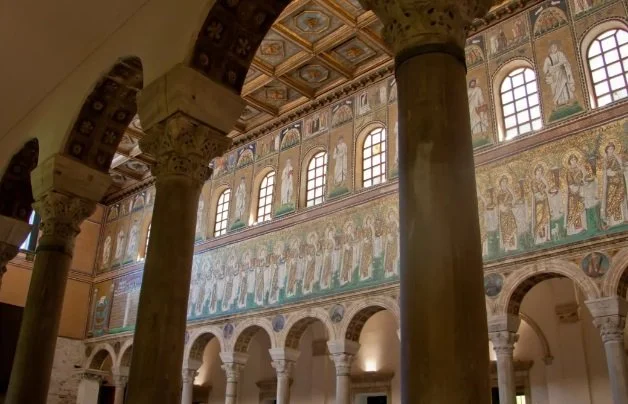
Further west, Sant'Apollinare Nuovo gives you another version of Ravenna's mosaic tradition. Long processions of saints and martyrs run along the nave, while the building itself dates back to the Ostrogothic period.
It is one of the most useful stops for understanding how Ravenna's religious and political history changed over time.
Neonian Baptistery
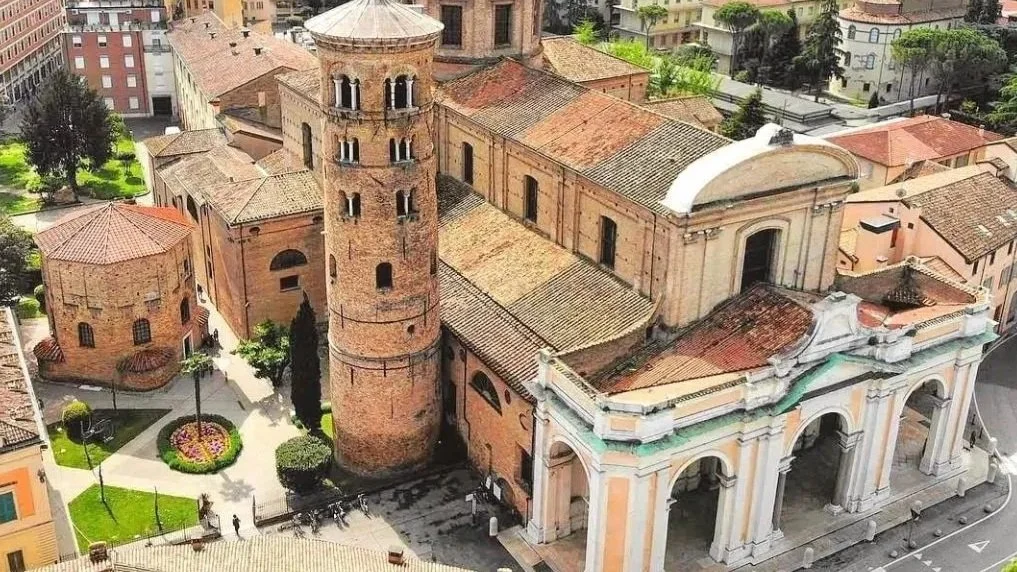
Photo by nonsoloturisti.it
The Neonian Baptistery is one of the oldest surviving buildings in the city and is particularly striking for the mosaic in its dome, centred on the Baptism of Christ.
It is compact, so it can be added to a walking route without taking the same amount of time as one of the larger basilicas.
Things to Do in Ravenna Beyond the Monuments
This is where Ravenna becomes more interesting than a checklist of UNESCO sites. The city has a living mosaic tradition, contemporary art and a compact centre that rewards walking without a fixed destination.
Look for mosaics outside the monuments
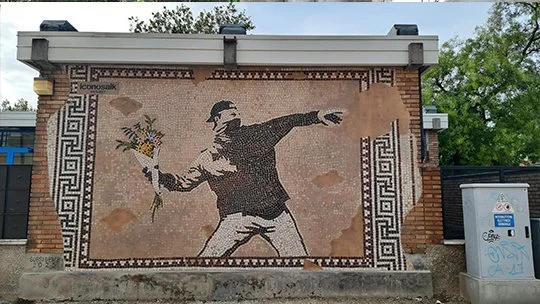
One of the easiest things to do in Ravenna is simply walk through the historic centre looking for mosaics.
They appear in street-name signs, shop windows, parks, sculptures and other unexpected parts of the city. Some of the most curious examples are small enough to miss if you walk around only looking for churches.
Keep an eye out for the small mosaic works by Invader too. The French artist has placed his pixel-style pieces around Ravenna, adding a contemporary layer to a city better known for ancient mosaics.
Visit a mosaic workshop
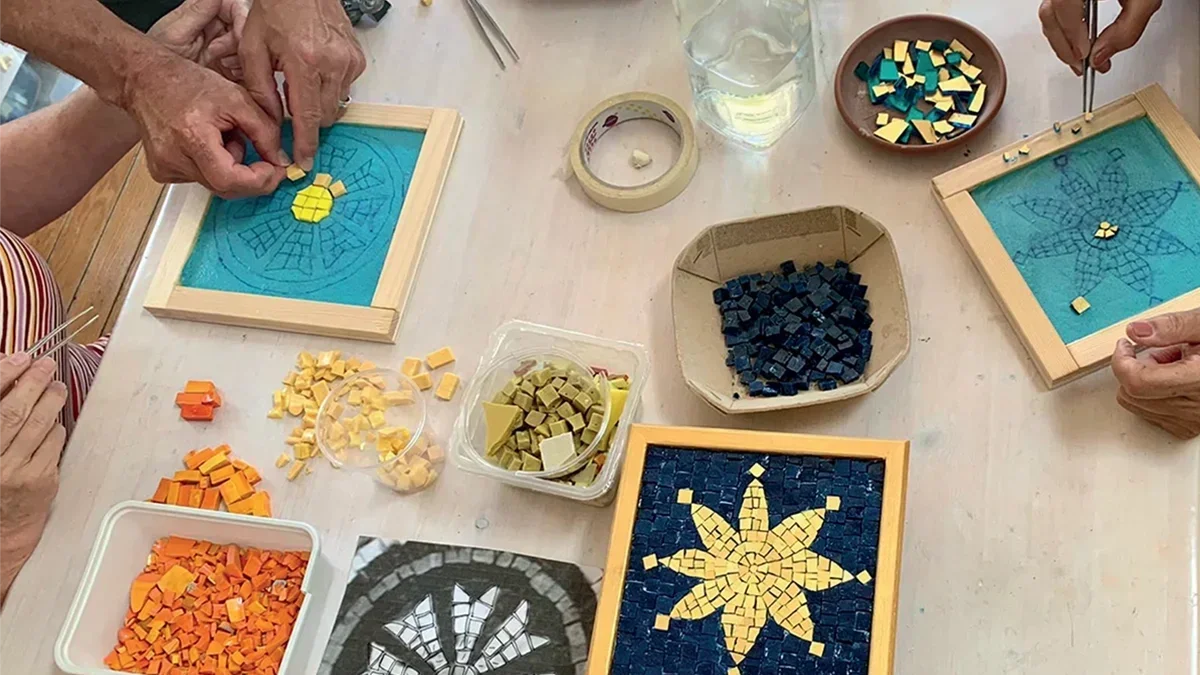
Photo by turismo.ra.it
Ravenna's mosaic tradition is still alive. Several artisan workshops in and around the historic centre work with traditional techniques while producing contemporary pieces.
Visiting a mosaic workshop gives you a different perspective on the monuments because you can see how the material is actually worked rather than only seeing the finished result.
Many workshops also offer courses or practical sessions where visitors can make their own small mosaic. If this interests you, check the current programme and book ahead rather than assuming you can join spontaneously.
Browse the artisan shops
Mosaic is also part of Ravenna's shopping scene. Along the central streets you will find mosaic studios, artisan shops, cafés and small local businesses mixed in with the usual shops.
This is a good activity to combine with sightseeing because it requires no separate excursion. You can simply wander through the centre between the major monuments and stop when something catches your attention.
Stop at the Covered Market
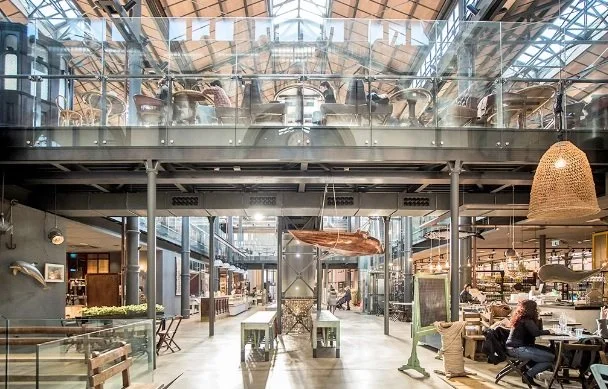
For a break from monuments, head towards Ravenna's Covered Market, a short walk from Piazza del Popolo.
The historic market building now contains food businesses and places to eat, making it an easy place to stop for lunch or a snack while remaining in the centre.
It also sits within the wider area around Piazza Andrea Costa and Via IV Novembre, where restaurants, delicatessens, bakeries and shops make it easy to turn a sightseeing walk into a more relaxed afternoon.
Explore Ravenna's contemporary art
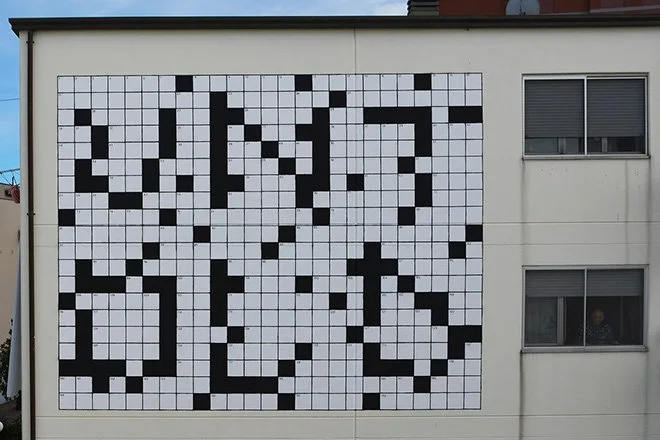
Photo by art-vibes.com
If you have already seen enough Byzantine mosaics, Ravenna offers a completely different side of its artistic identity.
The city has more than 80 street-art works, with a particularly strong concentration around the Darsena. The area combines former industrial spaces, the canal and large murals by Italian and international artists.
It is worth doing if you have extra time, but a full Darsena street-art walk takes around two hours on foot, so it should not replace the historic centre if you only have one day.
A Practical Walking Route Through Ravenna
A sensible route for a first visit is:
Sant'Apollinare Nuovo
Piazza del Popolo
Dante's Tomb and the Zone of Silence
Basilica of San Francesco
Domus of the Stone Carpets
Mausoleum of Galla Placidia
Basilica of San Vitale
Neonian Baptistery
This order keeps the main sights within the historic centre and avoids unnecessary backtracking.
The Zone of Silence deserves more than a quick photograph. Dante's Tomb is here, together with the Basilica of San Francesco and other places connected with the poet. The tomb itself is free to visit, and the surrounding area is pedestrian-friendly.
Inside San Francesco, look down into the crypt: it is partially submerged by groundwater because of the subsidence affecting this part of Ravenna. It is one of those details that makes the visit more memorable than simply moving from one famous building to the next.
From there, continue towards the Domus of the Stone Carpets and then the cluster around Galla Placidia and San Vitale. This is the part of the route where the concentration of major monuments becomes particularly useful: several of Ravenna's most important sights are only a few minutes apart.
Leave some flexibility around the route rather than planning every minute. Ravenna works well when you allow yourself time to stop in a mosaic workshop, look into a shop or sit down for lunch.
An Unusual Way to Walk the Centre: ClueGo Riddle Tour
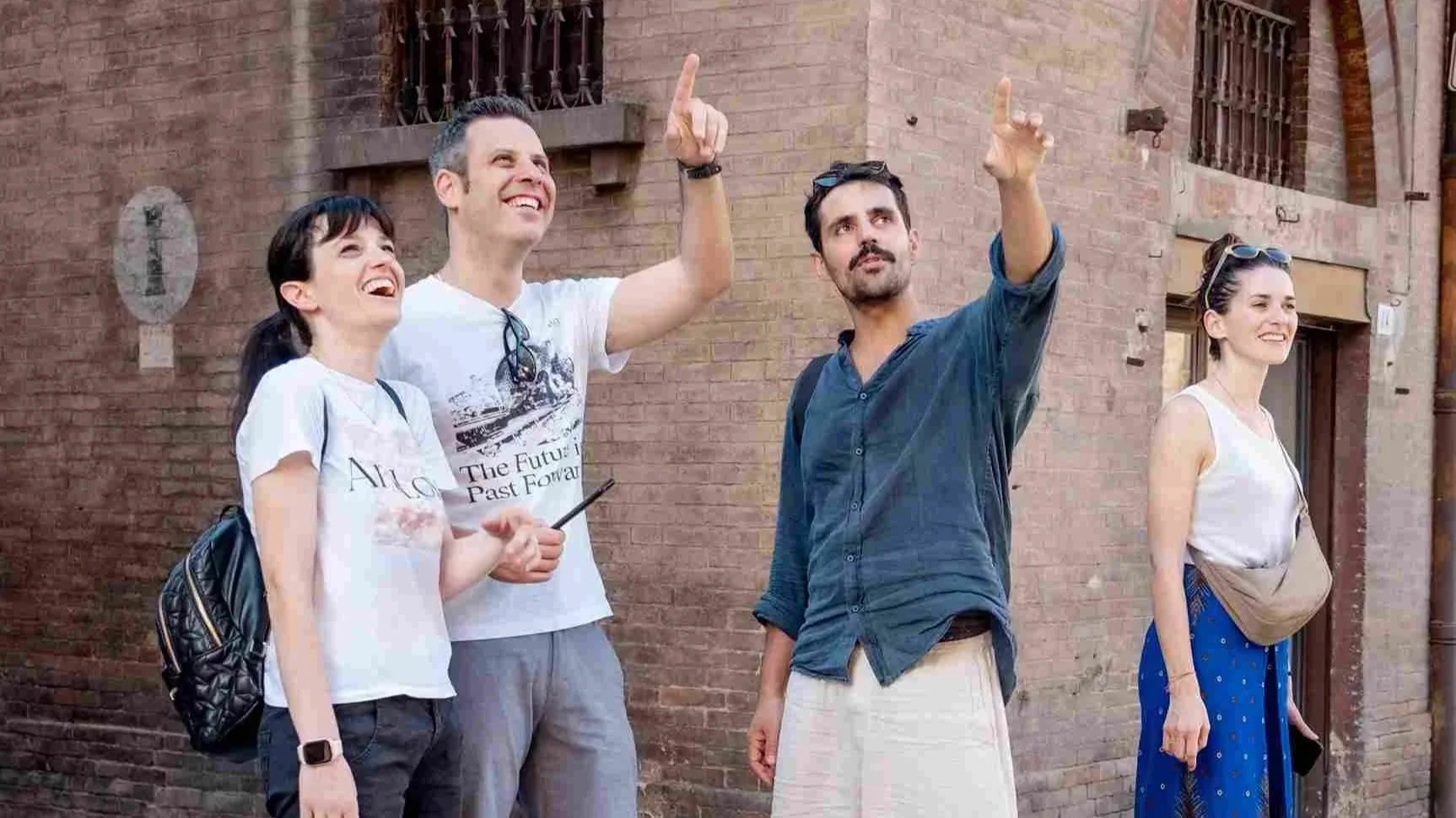
If you want to cover several of the central sights without building the route yourself, there is another way to organise the visit. ClueGo Ravenna is a self-guided walking route that uses puzzles and riddles to connect the city's landmarks.
The Ravenna route covers about 3 km and takes 2–3 hours, starting at Ravenna Planetarium and ending at the Basilica of San Vitale. Its 11 stops include all the main points of interest (such as the Tomb of Dante, Piazza del Popolo, the Neonian Baptistery etc.) as well as hidden gems, secret spots, fun stories, and local eateries that you would most likely miss otherwise.
It works particularly well as one part of a day rather than as a replacement for the city's monuments: the trail is outdoors and does not include admission to museums or monuments, so you can use it to explore the centre and then decide which interiors you want to visit separately.
There is no app download, guide, fixed starting time or reservation. You can also decide to pause the game and resume later, even on a different day.
Check out the ClueGo Ravenna Trail
What to Leave for Another Day
Sant'Apollinare in Classe
The Basilica of Sant'Apollinare in Classe is one of Ravenna's eight UNESCO monuments and has an impressive apse mosaic with a large cross and the figure of Saint Apollinaris.
The problem is not its importance but its location. It stands about 6 km south of the historic centre, so it works better as part of a separate Classe visit, especially if you also want to see the Classis Museum or the archaeological area.
Mausoleum of Theodoric
The Mausoleum of Theodoric is another UNESCO monument, built for the Ostrogothic king around the early 6th century.
It is interesting precisely because it looks so different from Ravenna's mosaic-covered religious buildings: the structure is built from enormous blocks of Istrian stone.
It can be added if you have extra time, but it does not belong to the most efficient central walking route.
A longer Darsena visit
If contemporary art is one of your main interests, give the Darsena its own part of the day. The official street-art route takes around two hours on foot and includes murals by several Italian and international artists.
For a first one-day visit focused on historic Ravenna, however, it is better treated as an optional extension.
FAQ: What to Do and See in Ravenna
-
One full day is enough for the main central sights, particularly the major mosaic monuments and Dante's area. A second day becomes useful for Sant’Apollinare in Classe, the Mausoleum of Theodoric and the remaining UNESCO monuments.
-
The essential list combines visiting the major UNESCO monuments with walking through the historic centre, looking for mosaics, visiting artisan workshops and taking time for local food and shops. If you have more time, add contemporary street art around the Darsena.
-
The central priorities are San Vitale, the Mausoleum of Galla Placidia, Sant’Apollinare Nuovo and the Neonian Baptistery. Dante's Tomb and the Basilica of San Francesco add another important part of Ravenna's history.
-
Yes. The official Ravenna tourism site recommends exploring the city on foot, and the central monuments are close enough to form a coherent walking route. The outlying UNESCO monuments, particularly Sant’Apollinare in Classe, require additional transport.
-
You can see several of the most important UNESCO monuments in one day, but visiting all eight in depth is a different proposition. Sant’Apollinare in Classe is outside the central route, while the other sites have different access and opening arrangements.
-
Kids will love Ravenna! The city centre is 100% walkable and if you visit with a self-guided riddle tour like ClueGo they will be engaged throughout the visit.